As we all know,for the developers designing contemporary residential or commercial spaces, sliding doors are one option that is gaining a lot of ground. Their modern look and space-saving features provides functional answers with out sacrificing elegance. However, what makes them the best choice for your project? Let’s explore.
To begin, sliding doors allow more natural light creating lighter interiors. The National Renewable Energy Laboratory (NREL) reports that natural daylighting can cut the use of electricity for lighting and space heating. A must for any developer working on eco friendly projects.
Sliding doors takes up less room and hence. It is a feature you must consider. Conventional doors swing open and close using more space. Glide sliding doors, on the other hand, slide seamlessly along a track which is ideal for small-types or urban developments where every bit counts.
How about toughness and safeguarding? Contemporary sliding doors are made from tough materials, like aluminum and reinforced glass that enhances security while maintaining beauty. It is simply because developers have one additional choice to make based on the application, be it high-rise apartments or luxury villas.
Looking to add some function with flair on your next project? Concepted by singulier creates the sliding doors may be one of simplest solutions!
Sliding Doors — What Kind to Choose for Your Project?
Types of sliding doors Understanding the different types you can get yourself helps. There are different types of Pergolas. They come with their great benefits based on space, aesthetics and function. Let’s dive into the options.
Standard Sliding Doors
These are the classic choice. Where one panel slides behind another to create space and offer unobstructed views. Ideal for simple and efficient residential or commercial spaces.

Pocket Sliding Doors
Pocket doors slide into the wall and are great for areas that need to be at maximum use of space. These are often touted by builders who want developers to use them in small condos or high-end homes with few walls.

Bi-Fold Sliding Doors
Need a wide opening? Bi-Fold Doors: These doors that fold in sections and open up wide for easy entry to outdoor areas. Best For: High-end indoor-outdoor projects.
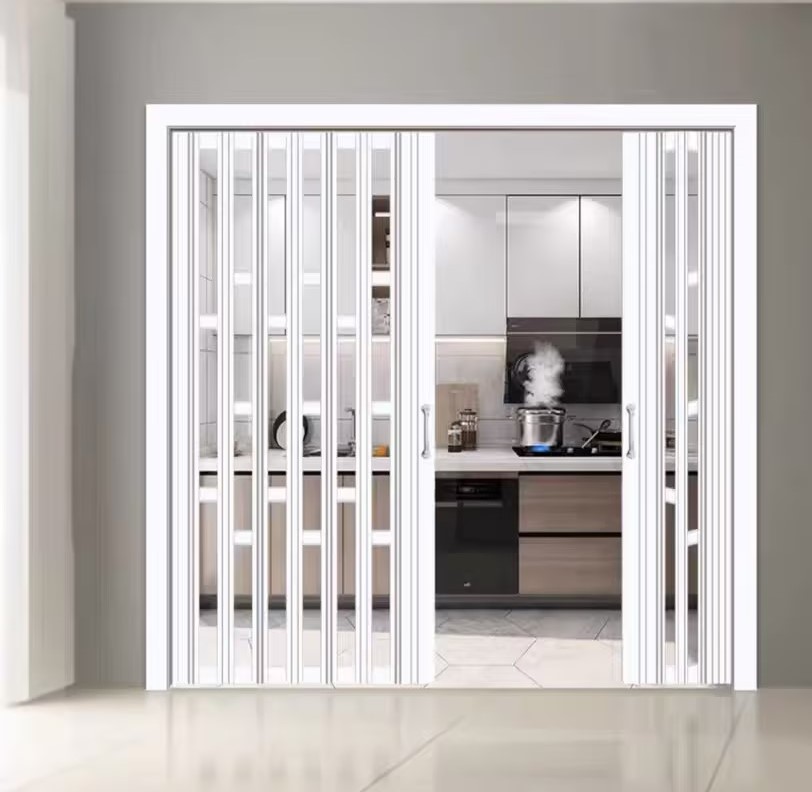
Lift-and-Sliding Doors
This gives these doors a high level of functionality because they can lift out the track that is what helps in their opening. This is great for the luxury, giant projects.
Automatic Sliding Doors
Automatic sliding doors are convenient and easy to operate, which is ideal in commercial buildings or where a high volume of pedestrian traffic may be expected such as retail / office developments.
Every type of them serve a different purpose — you should consider your project’s needs and choose the right command!
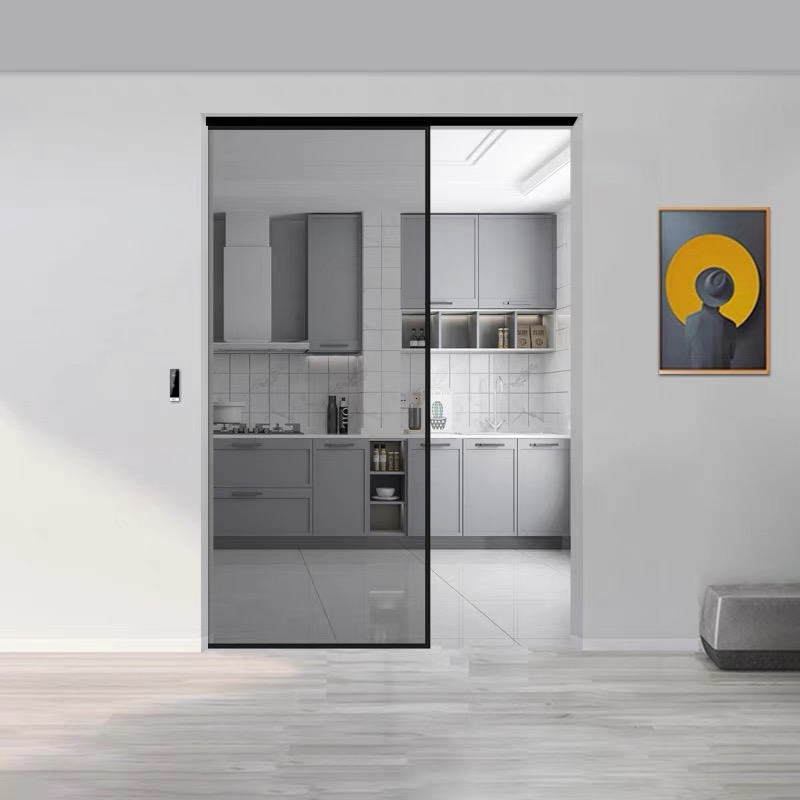
Choose the Right Sliding Door for Your Material & Durability
Material also matters, with the longevity and aesthetics exhibited in your sliding doors Calgary serving as a testament to this. What Kind Of Material Is Best For Your Project? Let’s break it down.
Aluminum
It is strong and lightweight, which enables aluminum to be an ideal material for big sliding doors in high impact commercial or luxury projects. It requires minimal maintenance and is highly resistant to corrosion. This material also gives it a more neat, contemporary appearance as the profiles are much slimmer allowing for more glass. According to The American Architectural Manufacturers Association, aluminum will be able maintain over 30 years with proper maintenance.

Vinyl
For mid-range residential developments this is a cost effective material, popular for exterior cladding. It is energy-efficient and low-maintenance Even still, it is not very strong — much less than aluminum which means that this works well only for standard-sized doors.

Wood
But for that homely, traditional feel — wood all the way. It has a high insulation rate, and it is used in the best places. But you must maintain it from time to avoid warping or rot and especially in the humid atmospheres.

Fiberglass
Fiberglass which has the strength of aluminum together with wood look. It is a durable, energy-efficient material and can be custom painted to match any style. On top of that, it can be virtually indestructible to the weather so great for outdoor installs.
With a strong and sturdy material your sliding doors will last for years!
Types of Glass Used for Energy Conservation: Must-know Facts for Developers
The proper glass solutions can greatly increase energy efficiency for these sliding doors. However, is it the right sort of glass for what you should accomplish? Let’s explore.
Double-Pane Glass
Double Pane double glazed is the most effective style of energy-efficient glasses. It consists of two sheets of glass separated by air or gas, providing insulation. Doing so prevents heat transfer to make the Faux Finish Garage Doors stay cooler in summer and warmer in winter. According to Energy. According to Energy.gov double-pane glass can save up to 24% on energy usage in colder climate areas.
Triple-Pane Glass
For those in the haarshest climates, consider triple-pane glass as it provides more insulation. This is perfect for developments in the colder reaches with intense sunshine. This additional layer allows triple-pane glass to provide higher thermal performance and soundproofing.
Low-E Coating
Developers need to be aware that Low E (Low-Emissivity) coatings are a must with these products if they want an energy-efficient building. A reflective coating that was not visible to the human eye, which can reflect heat and help facilitate an indoor temperature range. National Fenestration Rating Council (NFRC) publications state that Low-E glass can reduce heat loss by up to 50%.

Argon Gas Fill
Argon gas adds insulation between glass panes. It is heavier than air, therefore less heat loss. Ideal for energy-saving projects
Opting for suitable energy-efficient glass helps improve the sustainability of your building and lead to lower long-term costs. What seems the best fit for your project?
The security features provided to keep your sliding doors safe and secure.
Security is also a consideration when installing sliding doors. Thankfully, current door security methods provide multiple peace of mind for the home owner. Now let us see how you protect your property.
Multi-Point Locking Systems
Multi-point locking systems secure the door in multiple places along the frame, instead of just one lock. This is a strong increase from the security. According to SafeHome. According to TreatmentAdvocacyCenter.org, doors with multi-point locks take much longer to break down rather than types of single-points lock.
Shatterproof Glass
Mostly glass, sliding doors must have anti-shatter options. It is engineered to break into deep glass pieces unlike the float glass which breaks down easily into a pile of messy shards, making it easier for intruders or your inhabitants to get hurt. To help avoid these issues, laminated glass is recommended by the National Glass Association for residential and commercial properties with safety in mind.
Foot and Kick Locks
The secondary locks provide an additional layer of security. Clamping the foot locks will lock this sliding panel to its frame, so it cannot be opened from outside. Kick locks serve essentially the same purpose but provide resistance at floor level behind the door.
Security Bars
Security bars can be positioned in the track itself and prevent anyone from sliding it over. A modest yet effective against all types of forgery.
The right security features will make sure your sliding doors keep you safe while complementing the overall look of a space.
Cost Considerations: Balancing Budget and Quality for Sliding Doors
Cost-consciousness is someone of the key obstacles, as folks often like better to have a notable parting fashion that naturally can value more for manufacture and installation beyond ones wallet.Cost matters Most importantly, cost is a big factor to consider when planning your sliding door project. A number of things can determine the final cost. Let’s break it down.
Material Costs
That has a huge impact on the price, depending upon the material. Sliding doors made of vinyl are usually the least expensive, and ones manufactured from aluminum or wood more costly due to their sturdiness a lot alike splendor. Home Advisor says vinyl doors are priced between $300 and $800 in contrast to wood or high-end aluminum doors that can cost anywhere from $1,000 to as much as 3,500.
Customization Costs
All couldn’t be done due to the cost, standard sizes helped with that. But custom-sized sliding doors or those with unique features, such as multi-panel configurations could add significantly to the cost. Custom options can increase your spend by 20-30%.
Installation Costs
Installation: Installation is another important factor to look at. Installation costs, on the other hand start at anywhere between $500 and go up to as much as $1,500 by professionals for complex jobs according to Angi. While DIY installations are cheaper, professional have a better chance of ensuring proper operation and efficiency.
Cost of ownership and maintenance
More expensive initially, materials like aluminum and fiberglass require less refinishing down the line to keep them looking good. Although cheaper, vinyl doors might require more servicing.
To be able to keep the project under budget while also guaranteeing durability and workmanship, balancing material specifications with customization/ installation factors is core to keeping things afloat. What are you willing to spend on that perfect sliding door?
Compliance & Certifications – Securing Quality and Safety for Sliding Doors
Providing compliance to meet standards and obtain necessary certifications is essential when selecting sliding doors for your project. This allows for determining which certifications actually count, and that can be a big deal.

Energy Star Certification
For energy efficiency, go for Energy Star-rated sliding doors.
- EPA Certified: This certification means the door has been verified to meet strict energy performance guidelines. Set by the U.S. Environmental Protection Agency (EPA). According to Energy. According to EnergyStar.gov, an energy-star-certified door is 12% more efficient than even a basic wood or metal clad one and can bring a reduction in your energy bills by up to %.
- NFRC Rating:Energy Performance,The National Fenestration Rating Council (NFRC)Provides energy performance ratings for windows and doors. An NFRC-certified door allows clear insight into its energy efficiency, enabling developers to select doors with the best thermal performance.
- LEED Compliance:Sliding doors that are part of LEED (Leadership in Energy and Environmental Design) certification criteria. Energy materials can also provide you with higher environmental ratings, and help earn LEED points.
- Impact resistance and wind ratings:sliding doors in hurricane or high-wind zones are mandatory impact rated. Seek out regionally compliant products such as Miami-Dade County certification for hurricane-prone areas.
That may seem a brutal way of quoting but this is what happens when sliding doors are fully compliant with the aforementioned set standards; guaranteed savings on energy and maintenance in long run.
Installation And Maintenance Explained: How To Keep Bread Sliding Doors In Their Perfect Stage?
Correct installation is crucial in allowing your sliding doors to function for as long as possible. These factors could lead to misalignment, air leaks or operational issues so it is always best advice for a professional installation. Angi says that one of the primary reasons for door repair and breakdowns is sloppy install. Dirty tracks can cause the door to bind and should be cleaned periodically. Vacuum or wash with a soapy cloth the gaskets, and leave it to dry before applying some silicone-based lubricant if your door has sliding. Inspect the rollers as necessary over time and make note of any that may need to be adjusted or replaced. Functioning weatherstripping is crucial for efficiency, and lay in new strips when they wear out to prevent air leaks. Finally, a non-abrasive cleaner for that crystal clear glass. By following these steps, you can ensure your sliding doors remain in great condition for many years.
Conclusion
Sliding doors are really the way to go when it comes to a project wheather that be residential or commercial, and choosing the right type of sliding door can make a huge difference. Each detail, from choosing the correct materials to make sure they are done right and maintained properly, adds up. For example, sliding doors offer space-saving designs with modern appeal that do double duty as energy efficient and secure. By specializing in things such as double pane glass, multi-point locking systems and custom sizes you can have more usable space that fill aesthetic needs while remaining practical.
PA home aluminum sliding doors are robust and the perfect choice for a modern look. Lightweight, completely recyclable with excellent corrosion resistance (meaning it requires no painting and low maintenance), aluminum is ideal for both large commercial space use as well as luxury residential applications. Providing thinner lines than other materials, aluminum makes the most of natural light and views whilst ensuring strength and security. Alongside energy-efficient glass and bespoke designs, they are the ideal choice for projects simply trying to balance modern design with functionality.
In the end, sliding doors are a great option that is both flexible and long-lasting. They will help ensure they meet compliance standards such as Energy Star or LEED-Certification so those compliant elements continue to save you in the form of continued energy savings over time. This will ensure that your doors remain in top condition for many years to come.

FAQS
1. What are the best materials for sliding doors in commercial and residential projects?
Aluminum is a top choice for sliding doors due to its strength, lightweight properties, and corrosion resistance, making it ideal for both large commercial and residential installations. Vinyl is a more budget-friendly option, while wood offers a classic look but requires more maintenance. Fiberglass is a strong, energy-efficient alternative that can mimic the aesthetic of wood.
2. How do sliding doors enhance energy efficiency?
Sliding doors can significantly improve energy efficiency, especially when equipped with double-pane or triple-pane glass. These glass types act as insulation, reducing heat transfer and maintaining indoor temperatures. Additionally, Low-E coatings reflect heat, and argon gas fill between the glass panes further increases insulation. According to Energy.gov, switching to energy-efficient glass can lower energy costs by up to 24%.
3. What are the key security features to consider in sliding doors?
Modern sliding doors come with several important security features. Multi-point locking systems secure the door at multiple points along the frame, making it much harder to force open. Shatterproof glass, such as laminated glass, prevents easy break-ins and reduces injury risk. Secondary locks like foot and kick locks and security bars inside the track add additional layers of protection, ensuring that sliding doors provide both style and safety.