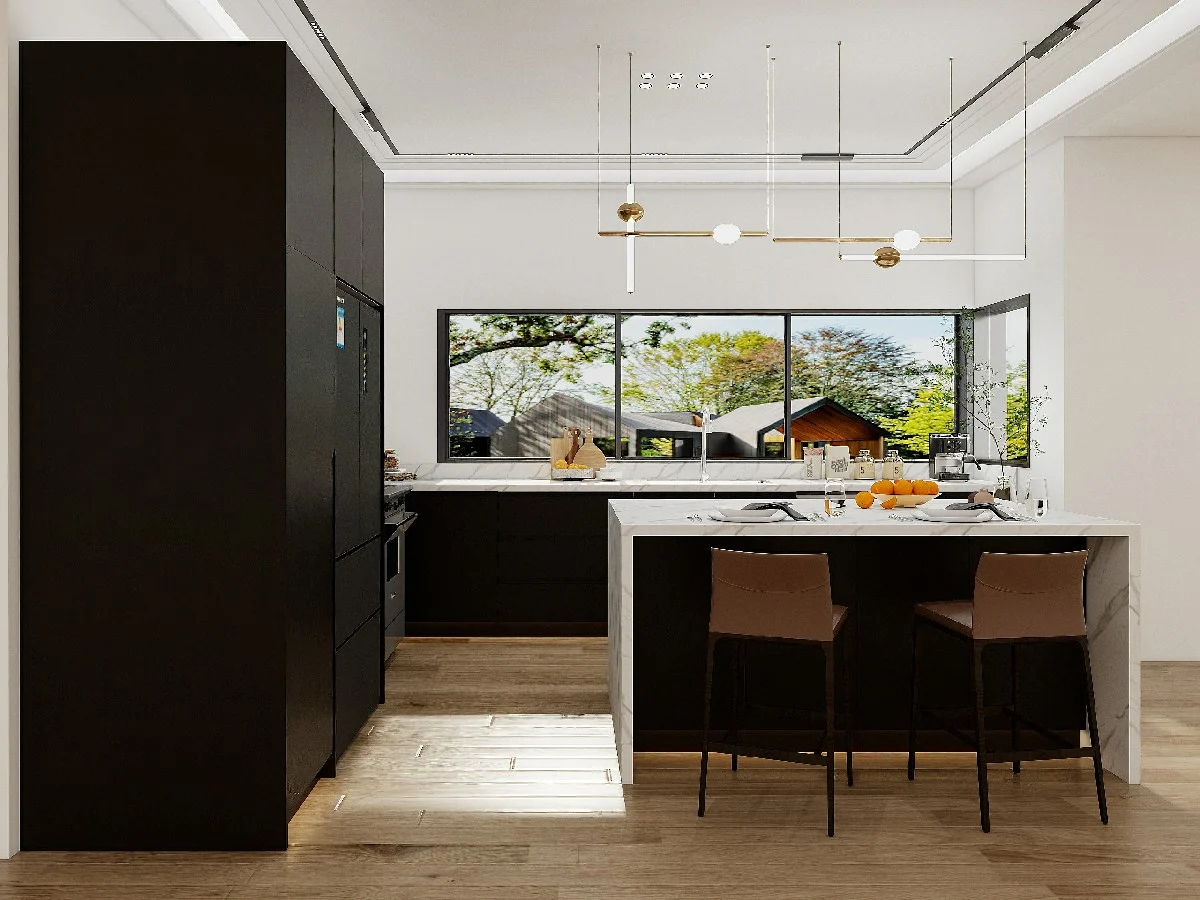
Interior glass doors are a stylish way to brighten up your home. They bring in natural light, make spaces feel larger, and create a smooth flow between rooms. It’s like opening up your home without tearing down walls.
However, with so many types of interior glass doors available, choosing the right one isn’t always easy. Let’s take a closer look at what to keep in mind before making your choice.
What Are the Types of Interior Glass Doors?
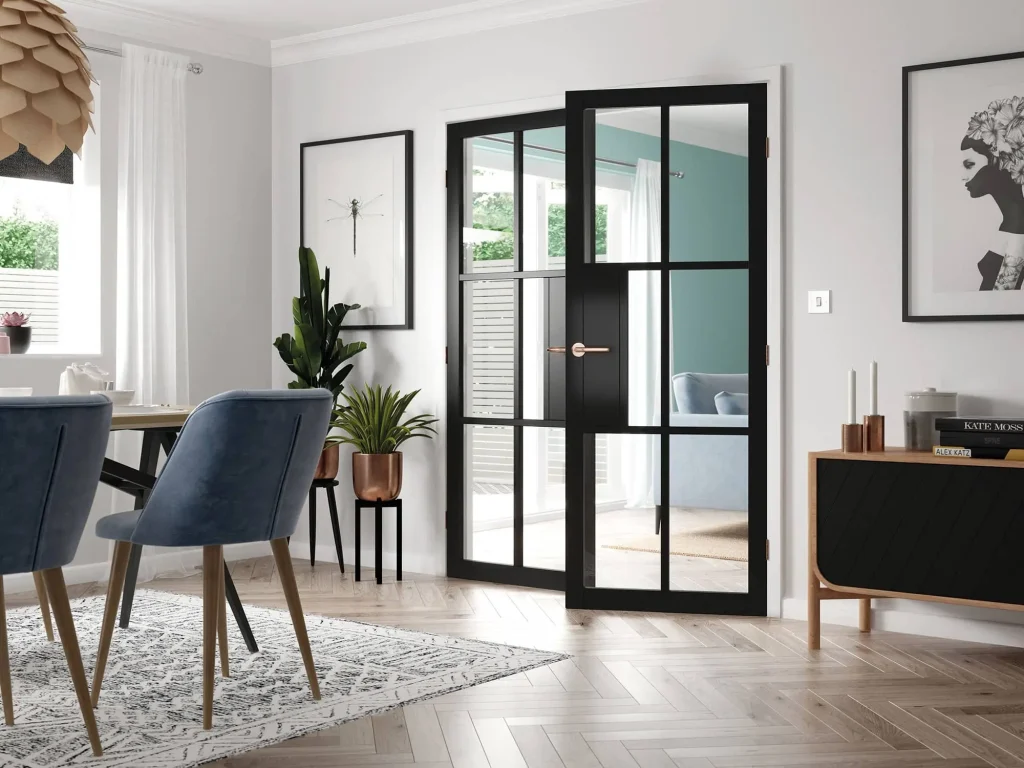
When it comes to interior glass doors, there’s no one-size-fits-all option. With various styles and designs, choosing the right one depends on your needs and the space you’re working with. Here are some popular types:
| Type of Glass Door | Description | Best For |
|---|---|---|
| Sliding Glass Doors | Doors that slide along a track, saving space and creating a smooth transition. | Small spaces or connecting indoor/outdoor areas. |
| French Glass Doors | Classic doors with multiple glass panels that open outward. | Creating elegant, wide entryways. |
| Bi-Fold Glass Doors | Multiple panels that fold in on themselves, offering flexibility in space. | Larger openings or flexible room layouts. |
| Pivot Glass Doors | Mounted on a single pivot point, swinging open in either direction. | Large openings, adding a modern touch. |
| Pocket Glass Doors | Slides into a wall cavity when open, saving space in tight areas. | Bathrooms or rooms with limited space. |
| Frameless Glass Doors | Sleek, minimalist doors without a visible frame, offering a modern aesthetic. | Shower enclosures or stylish room dividers. |
| Frosted Glass Doors | Glass doors with an opaque finish, offering privacy while letting in light. | Bathrooms, offices, or spaces requiring privacy. |

How Much Does Interior Glass Door Cost?
The cost of an interior glass door can vary widely depending on factors like the type of door, the materials used, and whether it’s custom-made. On average, standard interior glass doors typically range from $150 to $500. Basic models like sliding glass doors or simple glass panel doors tend to be on the lower end of the spectrum, while more elaborate designs like French glass doors or bi-fold doors can cost more.
If you’re looking for additional features, such as frosted glass for privacy or double-glazed glass for soundproofing, you can expect to pay more—anywhere from $500 to $1,500, depending on the size and complexity of the installation. Custom options or high-end finishes, like frameless glass doors or doors with unique glass patterns, will naturally push the cost higher.
While the upfront cost of an interior glass door can be more expensive than traditional wooden doors, many homeowners find the investment worth it for the light, space, and modern aesthetic they bring to a room.
💡 Tips:
Keep in mind that installation costs are typically additional. On average, installing an interior door can range from $226 to $824, depending on factors like door type and complexity of installation. When budgeting for your project, consider both the cost of the door and the installation to get a comprehensive estimate.
Where Are Interior Glass Doors Used?
Glass interior doors are a great way to enhance both the look and function of your home. Here’s how they can be used in different spaces:
1
Kitchens and Dining Areas
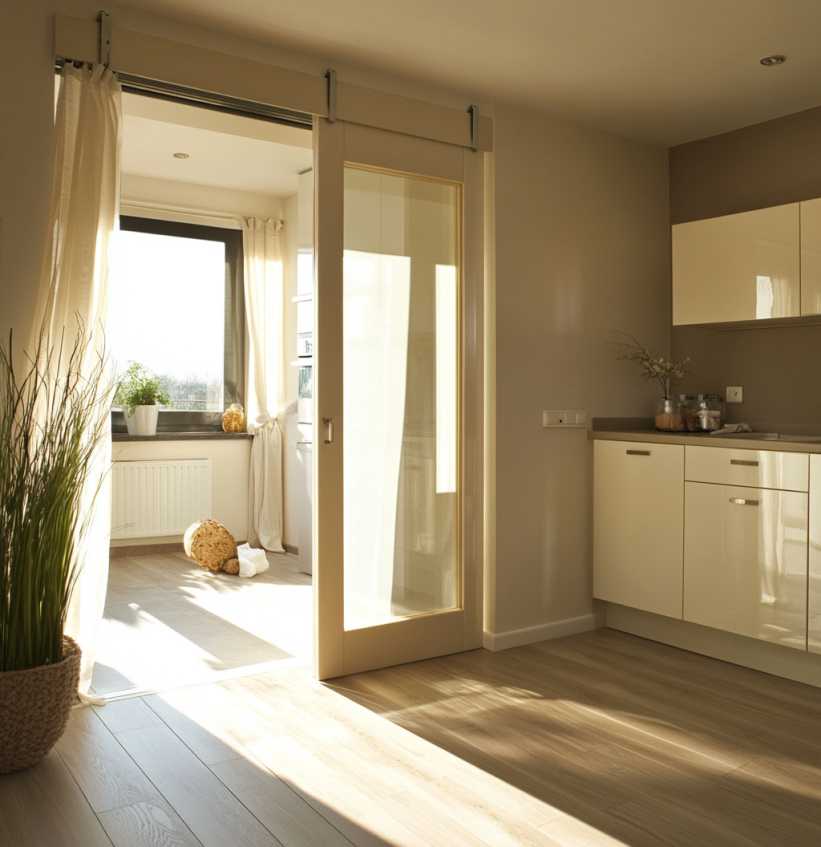
Glass interior doors can help make the kitchen feel more connected to the rest of the house. Sliding glass doors are perfect for small spaces, while bi-fold glass doors can open up the kitchen to a dining room or breakfast nook. For a cohesive look:
Complementary Design: Pair the glass door with wooden cabinetry or a marble countertop for a natural contrast.
Color: A white or light wood frame for the glass door can brighten up the kitchen while complementing natural materials.
2
Living Rooms
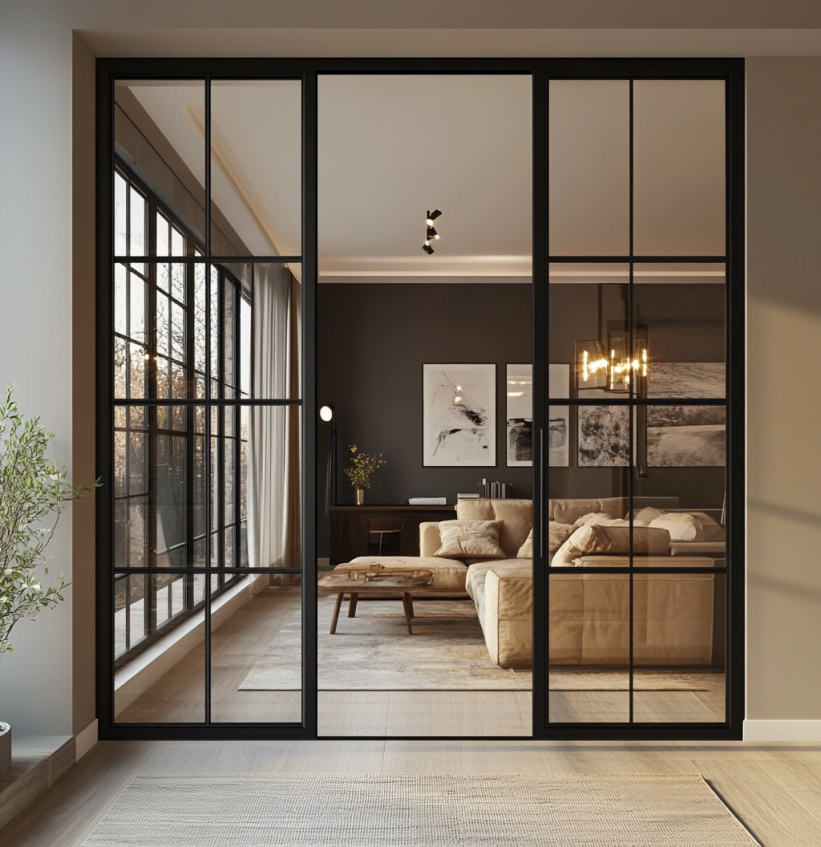
Interior doors with glass work well in living room where you want to create a sense of openness. Use sliding glass doors or French glass doors to connect the living room with a dining area or outdoor patio. Consider:
Color Schemes: Opt for neutral frames in black, white, or gray to blend with any color palette.
Finish: A matte finish works well for a modern feel, while a glossy finish may be better suited for more traditional settings.
3
Home Offices
If you work from home, integrating double-glazed glass interior doors into your office space can help reduce outside noise and create a quieter environment. Consider frosted glass for additional privacy without sacrificing light.
Design Tip: Pair the glass doors with custom built-ins or bookshelves for a sophisticated, functional office.
Finish: Opt for dark wood frames if you want to add warmth and richness to the space.


4
Bedrooms
Glass doors can be an elegant addition to bedroom or used as room dividers in larger bedrooms. Frosted glass offers privacy while still allowing natural light to filter through, making the space feel larger.
Design Element: Integrate soft lighting around the glass door frame for an ambient glow.
Hardware: Choose handles that match the room’s overall style—sleek metal handles for a modern look or vintage knobs for a more traditional feel.
5
Bathrooms
In bathrooms, frameless glass doors are often used for shower enclosures, offering a clean, modern look. For privacy in shared bathrooms, frosted glass interior doors work perfectly, letting in light while maintaining discretion.
Complementary Elements: Use minimalistic tiles or stone accents around the door frame to enhance the clean, modern look.
Finish: Polished silver or matte black hardware pairs well with the smooth, shiny surface of glass doors.

What Should You Consider Before Installing Interior Glass Doors?
Before installing interior glass doors, there are a few key factors to keep in mind to ensure you choose the right option for your space. Here’s what to consider:
Glass doors can be both stylish and functional, but they don’t always provide the privacy some areas need. If privacy is a concern, especially in bedrooms, bathrooms, or home offices, consider frosted glass, etched glass, or smart glass options. These types still allow light to filter through but obscure visibility, offering a good balance between privacy and openness.
The type of glass door you choose should fit the space and its purpose. For narrow spaces, sliding glass doors or pocket doors are great because they don't require additional room to swing open. On the other hand, if you have a larger opening, bi-fold or French glass doors can make a bold design statement while offering easy access between rooms.
Glass doors allow light to flow freely through your home, making smaller spaces feel larger and brighter. If you're trying to brighten up a darker room, installing a glass door can work wonders. However, keep in mind the direction of light and how much privacy you want, especially in areas like bathrooms where natural light can be an issue.
If you’re using glass doors in a room where soundproofing is important, such as a home office or study, consider double-glazed glass doors. These doors offer better sound insulation, reducing noise from the rest of the house and creating a quieter, more focused environment. Thicker glass or acoustic glass can also improve soundproofing.
The hardware you choose for your glass doors can significantly impact the overall look of the room. Think about the material and finish of the handles, hinges, and tracks. For a sleek, modern look, go for minimalist metal hardware, whereas for a more traditional or rustic vibe, brass or wooden accents may be a better fit. Make sure the finish complements the rest of the room’s decor.
Glass doors can vary greatly in price, depending on factors such as material, size, style, and any special features (like double-glazing or smart glass). Set a budget and stick to it, but also keep in mind that quality and customization options can add to the overall cost. If you’re on a tight budget, simpler designs with standard glass might be a more cost-effective choice.
Installing glass doors requires precise measurements and proper installation, especially for heavier or custom doors. Consider whether you’ll need professional installation or if it’s a project you can tackle yourself. Make sure the door frame is in good condition, and be aware of the weight and size of the glass, as this may require special handling.
Glass doors may require more frequent cleaning compared to solid wood doors, especially if they’re in high-traffic areas. Make sure you’re prepared to clean the glass regularly and maintain the hardware, ensuring that the tracks or hinges stay free of dust and debris.
What Is the New Trend For Interior Glass Door Designs?
Interior glass doors are embracing sleek, sustainable, and stylish designs. At the 2025 Milan Design Week, warm, earthy tones like mocha mousse, sunwashed earth tones, and brown became prominent, influencing door frames and finishes. These colors are perfect for blending with natural materials like wood and bamboo, adding warmth to contemporary interiors.
Alongside color, smart glass technology and framed or frameless designs continue to shape the trend. Minimalist, industrial-style frames and the use of frosted or textured glass also remain popular, offering privacy and style without sacrificing light. These trends highlight a growing focus on functionality, sustainability, and the integration of natural elements.

How Can You Maintain and Care for Your Interior Glass Doors?
Maintaining glass internal doors is relatively simple, but regular care ensures they stay functional and looking great. Here are some practical tips for keeping them in top shape:
Cleaning the Glass
Regular cleaning is key to keeping glass doors sparkling. Use a soft cloth and a non-abrasive glass cleaner to remove fingerprints, smudges, and dust. Avoid harsh chemicals that could damage the glass or the frame. For tough spots, a mixture of water and vinegar works well.
Cleaning the Tracks and Hardware
Glass doors, especially sliding or bi-fold models, have tracks and hardware that need regular cleaning. Use a vacuum or brush to clear dirt from the tracks. Wipe the hardware with a damp cloth and dry thoroughly to avoid rust or corrosion.
Lubricating Moving Parts
For sliding glass doors, keeping the rollers and tracks lubricated will ensure smooth operation. Apply a light silicone-based lubricant to the tracks and moving parts. Avoid using oil-based lubricants as they can attract dirt and grime.
Inspecting for Damage
Periodically inspect the glass and frames for any cracks, chips, or wear and tear. Address any issues promptly to prevent them from worsening. For minor cracks, you might be able to replace just the glass, but larger damage may require a complete door replacement.
Maintaining the Frame
The frame of your glass door—whether it’s wood, metal, or vinyl—should be wiped down regularly to keep it clean and prevent any buildup of grime. If the frame starts to show signs of wear, consider touching it up with paint or a protective finish to maintain its appearance and integrity.
Preventing Condensation
If you have double-glazed glass doors, check for condensation between the glass panes. This could be a sign of a seal failure, which may need professional repair. In humid areas, consider using a dehumidifier to prevent moisture buildup.
How Can I Get Interior Glass Doors?
If you’re looking to elevate your space with interior glass doors, PA Home is here to help. With 17 years of experience in the custom furniture industry, we stay ahead of the latest design trends, offering a wide range of aluminum-framed glass doors and wooden interior doors to suit any style. Our products combine functionality with beauty, providing high-quality solutions that enhance your home’s design.
Ready to transform your home? Contact PA Home today to explore our collection and bring the latest in interior design to your space.
FAQs
Yes, internal glass doors are a great idea if you’re looking to enhance natural light, create a sense of openness, and add a modern touch to your home. They also help separate spaces without completely closing them off, offering privacy and style. However, consider factors like privacy needs and soundproofing before choosing the right type.
While glass offers modern aesthetics and natural light, it has a few downsides. It can compromise privacy if not treated (e.g., with frosted or tinted glass). Glass can also be prone to smudges, fingerprints, and requires regular cleaning. Additionally, it may offer limited insulation compared to other materials, and some types can be fragile or expensive.
Pocket glass doors or sliding glass doors are perfect for smaller spaces. They don’t require extra space to open and can help maximize available room without compromising light.
Decorative glass doors come in various styles, from modern and minimalist to classic and ornate, with options like frosted, etched, or colored glass.
While aluminum glass doors are durable, they are typically designed for interior use. For outdoor applications, ensure the door has a weather-resistant finish and is suitable for exterior use.