An oval window is a small design move with a big effect. It changes the rhythm of a wall the way a curved note changes a song. Instead of another square opening, you get something softer, more memorable, and often more elegant. In architectural terms, oval and circular windows are also related to the historic oeil-de-boeuf or oculus family of windows.
That said, an oval window is not just about style. It also affects budget, privacy, materials, glass choice, and installation. Many articles stop at inspiration. This one goes further, so you can decide whether an oval window really fits your home.

What Is an Oval Window?
An oval window is a specialty-shaped window with an elliptical form rather than a standard rectangular one. In today’s market, it is usually sold as a custom or special-shape unit rather than a standard stock window. Milgard classifies it under specialty windows, and Pella groups oval shapes under its custom and special-shape offerings.
In practical terms, most homeowners choose an oval window as an accent window. It is often placed above an entry door, in a stairwell, on a gable wall, or in a bathroom where you want light without opening up the whole room. Milgard also highlights its value in small or private spaces because oval windows can sit higher on the wall and still bring in daylight.
How Much Does an Oval Window Cost?

There is no single national benchmark I could verify for oval window cost alone. That is normal. Oval windows fall into the specialty category, and specialty windows often require custom ordering, which makes pricing less standardized than basic rectangular units.
A realistic way to budget is to use standard replacement windows as the floor, then move upward for specialty shape, custom sizing, trim, and more difficult installation. Fixr puts the 2026 national range for replacement windows at $450 to $1,200 per window, with an average around $800. Fixr also puts installed picture windows at $734 to $1,335 on average, which is a useful comparison because many oval windows are fixed units.
So where does that leave an oval window? In many projects, a simple fixed oval window may land around or above picture-window territory, while larger custom units, premium materials, specialty glass, and structural reframing can push the total higher. That is an inference based on general replacement pricing plus the fact that specialty shapes are often custom ordered, not an industry-wide fixed price chart.
The biggest cost drivers are usually:
- size and proportion
- fixed or operable design
- frame material
- glass package
- interior and exterior trim
- whether you are replacing an existing opening or cutting a new one
Those factors matter more than the word “oval” alone.
What Are the Pros of Oval Windows?
Stronger visual appeal
Oval windows break up straight lines and make a wall look more refined. They can add charm, softness, and a more custom feel.
More natural light in small areas
They work well in entryways, stairwells, bathrooms, and hallways. Even a small oval window can brighten a dark spot.
Better privacy than larger standard windows
Because they are often smaller and placed higher, they let in daylight without exposing too much of the room.
Flexible across different home styles
Oval windows can suit traditional, coastal, vintage, and even modern homes. The final look depends on the frame, trim, and glass.
What Are the Cons of Oval Windows?
Usually more expensive than standard windows
Most oval windows are specialty or custom units. That often means higher product and installation costs.
Fewer operable options
Many oval windows are fixed rather than operable. That can limit ventilation if you want airflow in that space.
Harder to add blinds or window treatments
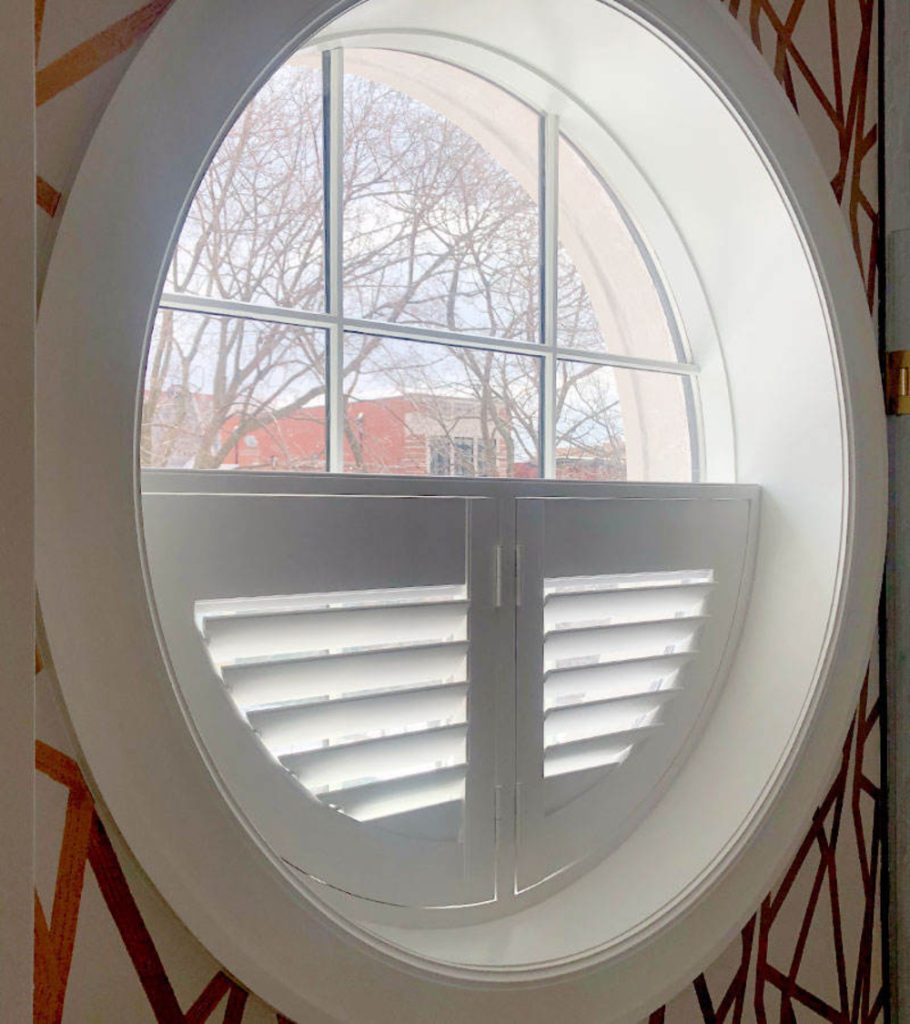
Because of the unusual shape, standard curtains or blinds may not fit well. Custom treatments are often needed.
Installation can be more complex
An oval window may require more careful framing, measuring, and trim work. This becomes even more important in renovation projects.
Where Does an Oval Window Work Best?

Some windows are workhorses. An oval window is more like jewelry. It works best where a small design moment can change the whole room. Milgard highlights a few placements that consistently work well.
Best locations include:
- Above a front door: Adds character and helps brighten the entry.
- In a gable wall: Fills an awkward upper space with shape and light.
- In a stairwell: Brings in daylight without sacrificing privacy.
- In a bathroom: Works well with frosted or obscure glass.
- Between interior rooms: Milgard also suggests interior oval windows to share light between spaces.
If you want one sentence to guide placement, use this: put an oval window where you need light, character, or privacy, but not necessarily ventilation. That is where the shape usually performs best.
Fixed vs. Operable Oval Windows
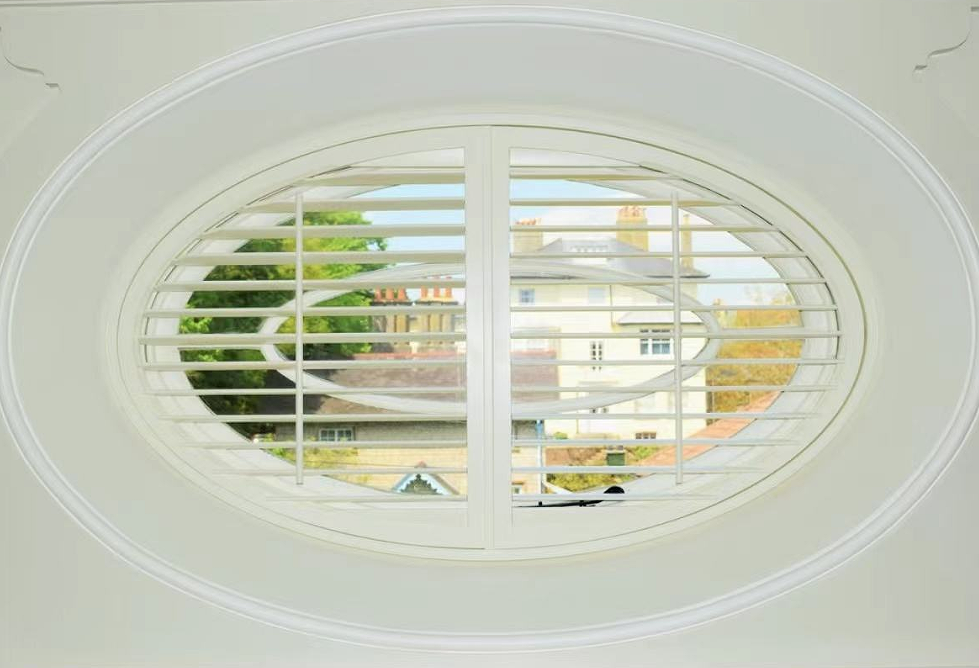
Most oval windows you see are fixed. That is the simpler route. It usually costs less, seals more easily, and keeps the design clean. If your goal is daylight and appearance, fixed is often the best answer. Pella’s custom window guidance also shows that fixed specialty shapes are widely available across wood, fiberglass, and vinyl lines.
Operable oval windows do exist, but they are less common. Marvin states that many of its specialty shape windows can be operating windows, which means you can get fresh air as well as unusual geometry. Still, once you want movement, hardware, and weather sealing in a non-rectangular frame, complexity rises.
A simple rule works here:
- Choose fixed if you want style, privacy, lower maintenance, and a cleaner budget.
- Choose operable only if ventilation is truly important in that exact location.
What are the Best Frame Materials for Oval Windows?
The right frame material affects more than appearance. It also shapes your budget, maintenance needs, energy efficiency, and long-term performance.
| Frame Material | Best For | Main Advantages | Potential Drawbacks |
|---|---|---|---|
| Wood | Traditional, classic, and high-end homes | Warm natural look, strong insulation, timeless appeal | Needs more maintenance, higher cost, can be affected by moisture if not properly cared for |
| Aluminum | Modern homes and slim-frame designs | Strong structure, clean appearance, narrow sightlines | Lower insulation unless thermally broken, can transfer heat more easily |
| uPVC / Vinyl | Budget-conscious projects and low-maintenance homes | Affordable, easy to maintain, good moisture resistance, decent energy performance | Less premium in appearance, fewer high-end design options in some markets |
| Fiberglass | Homes needing durability and better thermal stability | Strong, stable in changing climates, good energy efficiency, lower maintenance than wood | Usually costs more than vinyl, fewer style options than wood in some product lines |
What Glass Works Best for an Oval Window?

Glass is where comfort and looks finally shake hands. DOE says the glazing decision is often the most important energy-efficiency choice in a window. That matters even more with an oval window because the unit is usually smaller and more design-driven.
For most homes, double glazing with Low-E glass is the safe starting point. DOE explains that Low-E coatings reflect heat energy and can also reduce UV-related fading. DOE and NFRC guidance also show that Low-E glass combined with gas fill, such as argon, helps improve insulation and manage solar gain.
If privacy matters, use frosted, obscure, or patterned glass. Milgard specifically mentions specialized glass and obscure glass for privacy-focused placements, including bathrooms and interior divider applications.
If the window sits near a door, low to the floor, or in a wet area, ask about safety glazing. The Safety Glazing Certification Council explains that tempered and laminated products are designed to reduce injury risk if glass is struck or broken.
Quick Glass Guide for Oval Windows
Clear Low-E double glazing: Best all-around choice.
Frosted or obscure glass: Best for bathrooms and privacy.
Low-solar-gain Low-E: Better for hot, cooling-dominated climates.
Safety glazing: Smart for impact-prone or code-sensitive locations.
Common Oval Window Design Mistakes to Avoid
Oval windows look effortless when they are right. They look awkward fast when they are not. Here are the most common mistakes.
1. Making it too small.
A tiny oval window can disappear into the wall. The shape should look intentional, not accidental. That is why specialty windows often need more careful measuring and custom sizing.
2. Putting it in the wrong place.
An oval window works best where it can frame light, soften a façade, or protect privacy. Entry walls, gables, bathrooms, and stairwells usually work better than random mid-wall placements.
3. Ignoring the house style.
The same oval window can feel classical with ornate trim, coastal with a porthole look, or modern with a slim frame. The shape is flexible, but the detailing must match the home.
4. Forgetting the treatment plan.
Do you need privacy at night? Do you want to cover the window at all? Specialty shapes can require custom blinds or shades, so plan that early.
Are Oval Windows Good for Modern Homes?
Yes, they can be. The old idea that oval windows belong only on traditional homes is too narrow. Milgard’s design examples include modern oval windows with minimal frames, and Pella’s gallery also places oval forms inside contemporary settings.
The trick is restraint. In a modern home, an oval window usually works best when the frame is slim, the trim is simple, and the opening is used as a focal accent rather than repeated everywhere. Think of it as one curved brushstroke on a clean canvas. Too many, and the effect weakens.
How to Choose the Right Oval Window for Your Home?
If you are ready to specify one, keep the process simple.
- Start with the purpose. Do you want light, privacy, ventilation, or just curb appeal? That answer shapes everything else.
- Choose the location first. Entry, stairwell, gable, and bathroom are usually the strongest spots.
- Pick fixed unless you truly need airflow. It is usually the cleaner and easier choice.
- Match the frame to your priorities. Vinyl for budget, fiberglass for stability, wood for character, aluminum for slim modern lines.
- Do not under-spec the glass. Low-E double glazing is the baseline most homes should start from.
- Budget for custom work. Specialty shape windows often need more measuring, more coordination, and sometimes more framing work.
Want to Buy Oval Windows?
An oval window can add light, privacy, and a more custom look to your home. The key is choosing the right size, frame, and glass for the space. If you are planning a new project or renovation, PA Home can help you choose the right window designs. Contact PA Home to discuss your project.
FAQs about Oval Windows
No. Many oval windows are fixed, but some can be made operable. Fixed models are more common because they are simpler, cleaner, and often more affordable.
In many cases, yes. Oval windows are usually custom or specialty units, so they often cost more than standard rectangular windows.
Often, yes. Because of their unusual shape, standard blinds or curtains may not fit properly. Many homeowners leave them uncovered or choose custom treatments.
They can be, especially if you want more character and a more custom look. They are not always the cheapest option, but they can make a space feel more finished and distinctive.
They can be, but the glass package matters more than the shape itself. The U.S. Department of Energy says Low-E coatings can lower U-factor and help manage solar heat gain and daylight transmission.