You may have first encountered the term “window sash” in classic literature rather than in a home improvement guide. In the famous poem by A Visit from St. Nicholas, fondly known as The Night Before Christmas, one line has puzzled readers for generations:
“Away to the window, I flew like a flash,
Tore open the shutters, and threw up the sash.”
At first glance, the wording raises a fair question—what exactly is a sash, and why would someone “throw it up” at a window? It certainly doesn’t sound like a piece of glass or a structural window component.
In reality, the poem was referring to a very real—and still essential—part of traditional and modern windows. The window sash is the framed section that holds the glass and allows the window to open, close, and seal properly. Once you understand what a window sash is, the line suddenly makes perfect sense.
What Are Window Sashes?
A window sash is the part of the window that holds the glass panes in place and fits inside the window frame. Unlike the window frame, which is fixed to the wall, the sash may be movable or stationary, depending on the window type.
In simple terms:
Window frame = the outer, fixed structure
Window sash = the inner frame that supports the glass and allows operation
Most modern windows have at least one sash, while some designs—such as double-hung windows—use two operable sashes. Without a properly designed sash, a window cannot open smoothly, seal tightly, or perform efficiently.
What Does a Window Sash Look Like?

Although designs vary, most window sashes share the same basic components:
Stiles
The vertical sides of the sash. These provide structural strength and guide movement within the frame.Rails
The horizontal top and bottom sections of the sash. Rails help maintain rigidity and connect the stiles.Glass Pane (or Insulated Glass Unit)
The glass fitted inside the sash. Modern sashes typically use double- or triple-glazed units for insulation.Muntins or Grilles (Optional)
Decorative or structural bars that divide the glass into sections.Weatherstripping
Seals attached around the sash edges to prevent air and water infiltration.
Together, these elements ensure that the sash holds the glass securely while maintaining alignment, insulation, and smooth operation.
How Do Window Sashes Work?
Window sashes rely on a combination of carefully designed components that work together to support the glass and allow smooth, controlled movement. In traditional sash systems, these components may include counterweights, sash cords, pulleys, rails, and connecting hardware. Each part plays a specific role in balancing the weight of the sash and guiding it along its track.
When properly aligned, this system allows the sash to move up, down, or across with minimal effort. The weight of the glass is evenly distributed and counterbalanced, making it possible for the window to open, close, and remain in position without slipping. The goal is simple: smooth operation that doesn’t require excessive force or strain.
Most of these mechanical elements are concealed within the window frame or side channels, which is why they often go unnoticed during everyday use. In addition, the sash assembly typically incorporates a horizontal sill or lower rail designed to direct rainwater away from the window opening. This detail helps prevent moisture from collecting inside the frame, reducing the risk of mildew, rot, and long-term structural damage.

Different Types of Windows and Window Sashes
Different window styles use different sash designs:
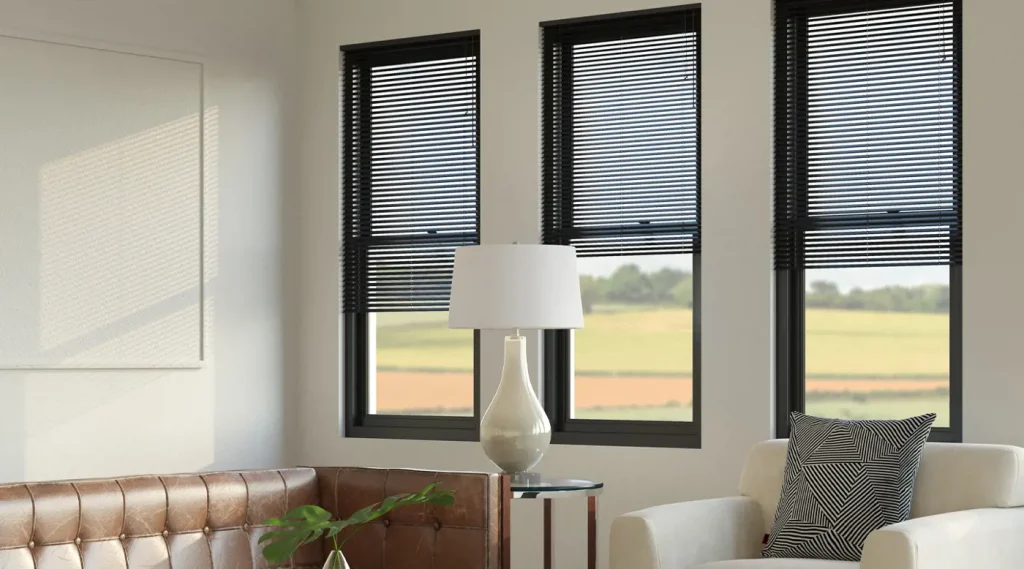
Double-Hung Window Sash
Double-hung windows are among the most recognizable and widely used window styles, especially in traditional and transitional homes. What sets them apart is their two operable sashes—one at the top and one at the bottom. Both sashes can move vertically, allowing homeowners to raise the lower sash, lower the upper sash, or open both at the same time.
This dual-sash design offers greater flexibility in ventilation and safety. Lowering the top sash allows warm air to escape while keeping the opening out of reach for small children, while raising the bottom sash can serve as an emergency exit if needed. Many modern double-hung windows also feature tilt-in sashes, making it easier to clean the exterior glass from inside the home.
Single-Hung Window Sash
Single-hung windows closely resemble double-hung windows in appearance, but their sash configuration is simpler. Only the lower sash is operable, while the upper sash remains fixed in place. The lower sash slides vertically to provide ventilation.
Because of their simpler construction, single-hung window sashes typically require fewer moving parts and are often more cost-effective. They are a practical option for areas where ventilation needs are moderate and where budget or simplicity is a priority.

Sliding Window Sash
Sliding windows use sashes that move horizontally along a track, similar to the operation of a sliding patio door. Depending on the design, one or both sashes may be operable. This style is especially popular in modern homes and in locations where vertical lifting would be inconvenient.
The horizontal sliding sash is easy to operate, even for larger window openings. This makes sliding windows a practical choice for spaces such as kitchens, where reaching over a countertop to lift a sash would be awkward. Smooth rollers and tracks allow the sash to open, close, and lock with minimal effort.

Casement Window Sash
Casement windows operate using a hinged sash that swings outward, much like a door. When closed, they may resemble sliding or fixed windows, but their sash mechanism is entirely different. Instead of moving along a track, the sash opens on side hinges.
Most casement window sashes are operated using a crank handle or lever, allowing precise control over ventilation. When fully open, the sash can catch passing breezes and direct airflow into the room. When closed, the locking mechanism pulls the sash tightly against the frame, creating a secure seal that helps improve energy efficiency and weather resistance.

Fixed Window Sash
Fixed windows use a non-operable sash that permanently holds the glass in place. Because the sash does not move, fixed windows do not provide ventilation, but they excel at maximizing natural light and unobstructed views.
These sashes are commonly used in combination with operable windows, serving as picture windows or architectural accents. With no moving components, fixed window sashes typically offer excellent sealing performance and minimal maintenance requirements.

Awning Window Sash
Awning windows feature a hinged sash that opens outward from the bottom. This configuration allows ventilation even during light rain, as the open sash helps shield the interior from water.
The awning sash design is often used in bathrooms, basements, or stacked window arrangements, where controlled airflow and weather protection are important. When closed, the sash presses firmly against the frame, contributing to good air and water tightness.

When Do You Need to Replace a Window Sash?
In many cases, window performance issues are caused by a failing sash rather than the entire window system. Common signs include difficulty opening or closing the window, noticeable air drafts, condensation trapped between glass panes, or visible warping, rot, or corrosion along the sash frame. When the sash can no longer hold the glass securely or maintain a tight seal, replacement becomes the most effective solution.
Replacing a window sash is often a practical option when the surrounding window frame remains structurally sound. This is especially true for modern systems, where sash replacement can restore smooth operation, improve energy efficiency, and eliminate air or water leakage without the cost and disruption of a full window replacement. In aluminum window sash systems, corrosion, damaged thermal breaks, or worn-out seals are common reasons for replacement, particularly in coastal or high-humidity environments.
Replace the Sash vs. Replace the Whole Window
Replacing only the sash is often possible when:
The window frame is still in good condition
The issue is limited to glass, seals, or balance systems
You want a cost-effective upgrade
Full window replacement is usually necessary if:
The frame is damaged or out of square
Water infiltration has affected surrounding structures
The window no longer meets energy or safety standards
How to Maintain a Window Sash?
Regular maintenance can significantly extend the life of a window sash.

Basic Maintenance Tips
Clean sash tracks and edges regularly
Inspect weatherstripping for wear or gaps
Lubricate moving parts where applicable
Check alignment to prevent uneven pressure
Material-Specific Care
Wood window sashes: repaint or reseal periodically to prevent moisture damage
Aluminum window sashes: clean oxidation and inspect thermal breaks
Vinyl window sashes: avoid excessive heat exposure and keep tracks debris-free
Routine inspection and timely minor repairs help prevent major sash failures and maintain window performance year after year.
Conclusion
The window sash may seem like a small component, but it plays a critical role in how a window operates, seals, and performs over time. Understanding how window sashes work—and knowing when to maintain or replace them—can help extend window lifespan, improve comfort, and avoid unnecessary full replacements.
If you’re planning a window upgrade or need professional advice on aluminum window sash systems and custom window solutions, PA Home is here to help. With experience in manufacturing and supplying high-performance windows for residential and commercial projects, our team can support you from design to delivery.
Feel free to contact PA Home to discuss your project needs or request expert guidance.
FAQs about Window Sashes
A window sash is the inner frame that holds the glass and allows the window to open or close, while the window frame is the fixed outer structure attached to the wall. The sash moves within the frame and is responsible for operation and sealing.
A sash window uses vertically or horizontally sliding sashes, while a casement window has a hinged sash that swings open like a door. The main difference lies in how the sash operates and how ventilation is controlled.
Yes, window sashes can often be replaced without changing the entire window, as long as the window frame is in good condition. Sash-only replacement can restore smooth operation, improve sealing, and reduce costs compared to full window replacement.
In most modern double-hung windows, you can remove the sash by unlocking the window, tilting the sash inward, and lifting it out of the frame. Some models may require releasing sash clips or balance shoes first, so always check the manufacturer’s instructions before removal.
To install a window sash, align the sash with the balance system, secure it into the frame, and ensure it moves smoothly before locking it in place. Always follow the manufacturer’s instructions to maintain proper alignment and sealing.
Window sash replacement kits are commonly available from window manufacturers, home improvement retailers, and specialty window hardware suppliers. Many homeowners purchase them through brands’ official websites or stores like Home Depot or Lowe’s, ensuring compatibility with their specific window system.