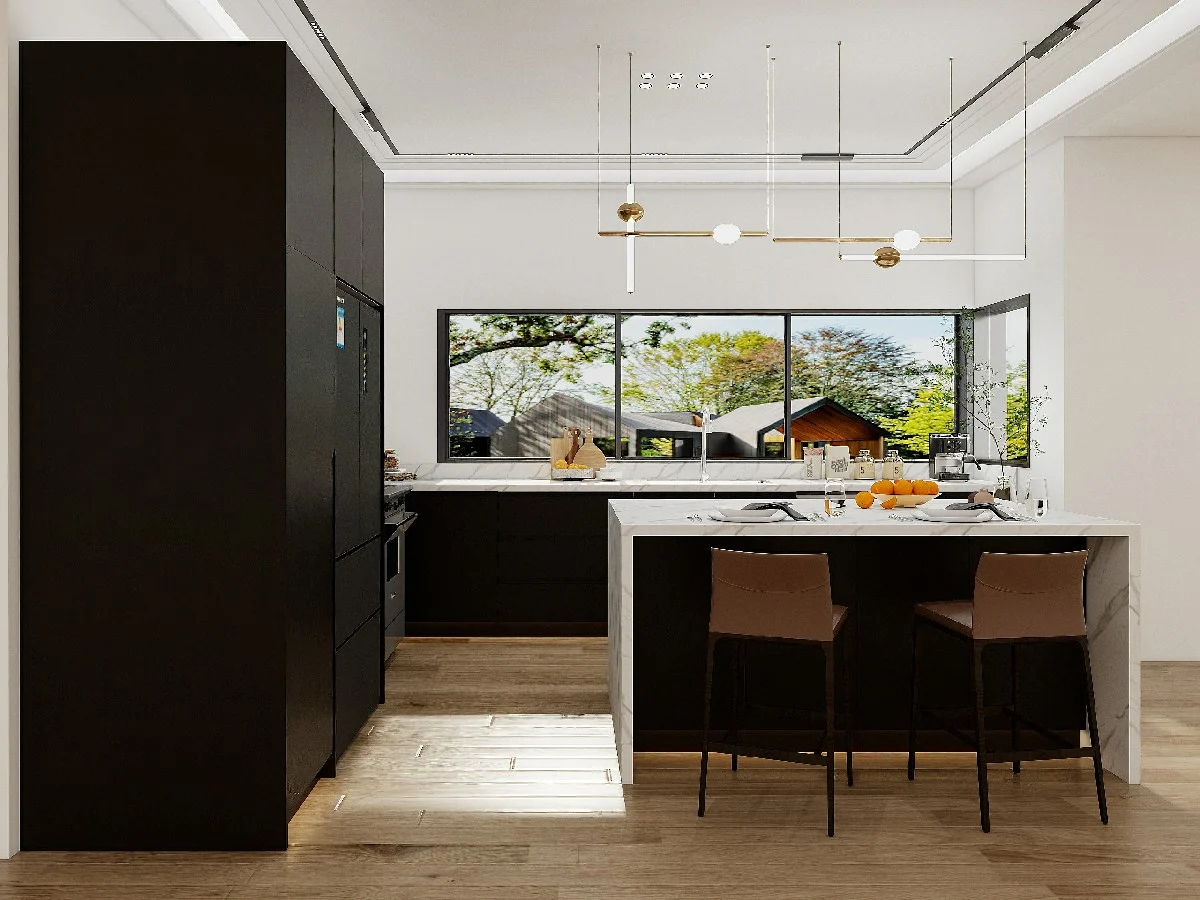
Hopper windows – you’ve probably seen them in basements or small rooms, but do you know what they really are? In this article, we’ll answer your most common questions and help you decide if they’re the right fit for your space. Let’s dive in!
1. What are Hopper Windows?
A hopper window is a type of window that opens inward, with its hinges typically placed at the bottom. They’re often smaller in size compared to other window types, which makes them perfect for tight spaces like basements, bathrooms, or laundry rooms. Think of them as the unsung heroes of ventilation and privacy – they offer a great balance between light, air circulation, and security. Hopper windows are also commonly seen in areas where you need ventilation without compromising on space or aesthetics.
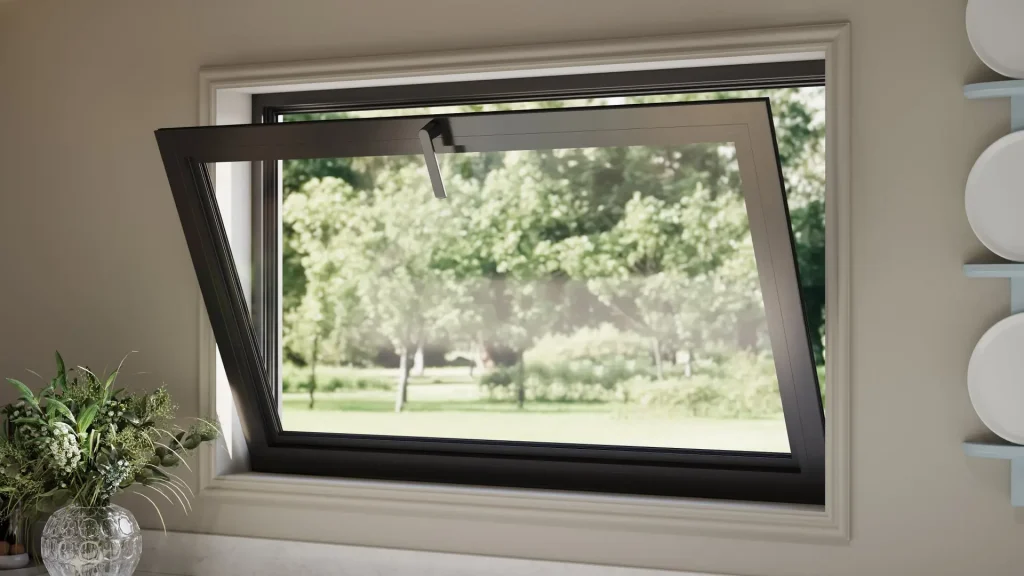
2. How Does a Hopper Window Work?
Hopper windows work by tilting inward from the top, thanks to the bottom hinge. This unique design allows for better control over airflow, especially in confined spaces. When you open the window, the top part swings inward, allowing fresh air to enter while keeping out rain or debris. The inward tilt also adds a layer of privacy, as the window is typically installed higher up, out of sight from the outside. It’s the perfect option for ventilation when you want air circulation without opening your space to the elements.
3. How much does a Hopper Window cost?
The cost of a hopper style window can vary based on size, material, and installation complexity. For standard hopper windows, the price typically ranges from $180 to $450 for smaller sizes (around 24″ × 16″) and can go up to $850 or more for larger, custom sizes (around 48″ × 30″). This pricing includes materials like aluminum or vinyl frames and glass, as well as installation costs.
For basement hopper windows, which are usually smaller and simpler in design, the cost is generally lower. Prices for these windows typically start around $100 for a 24″ × 16″ size and can range up to $450 for larger 36″ × 24″ windows. Installation for hopper basement windows may also be slightly more expensive due to additional considerations such as waterproofing, ensuring proper ventilation, and making the window secure for underground environments. These windows are ideal for basements or small spaces where you need both ventilation and privacy.
Aluminum Hopper Window Price Chart
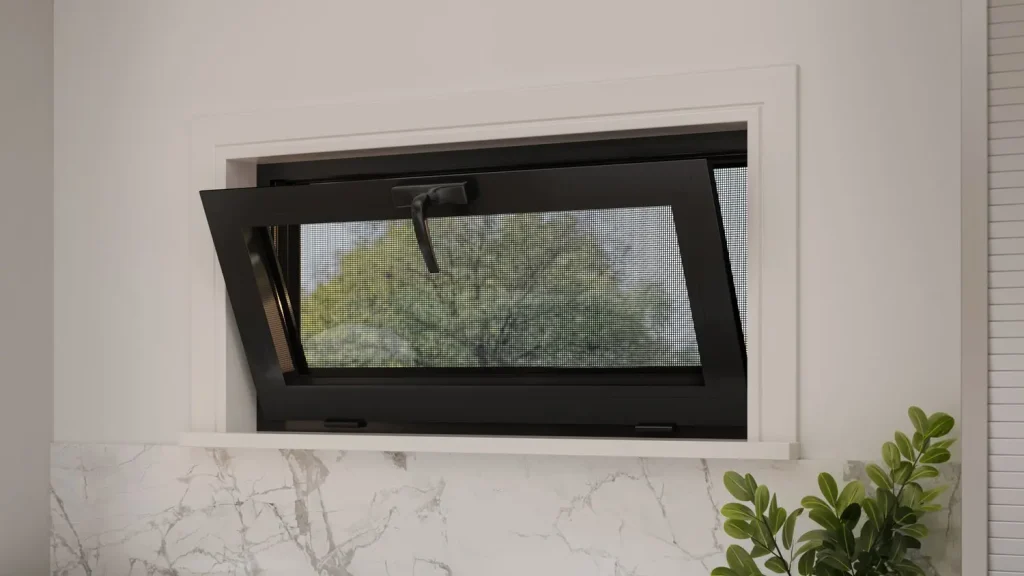
The price of an aluminum hopper window varies depending on size. For example, smaller sizes like 24″ × 16″ are more affordable, while larger sizes like 48″ × 36″ cost more due to the increased material and labor required. Here’s a price comparison for different aluminum hopper window sizes:
| Window Size (Width × Height) | Estimated Price (Materials Only) | Total Price with Installation* |
|---|---|---|
| 24″ × 16″ (60×40 cm) – Small | $180 – $220 | $300 – $450 |
| 36″ × 24″ (90×60 cm) – Medium | $250 – $300 | $400 – $550 |
| 48″ × 36″ (120×90 cm) – Large | $350 – $450 | $500 – $700 |
Notes: Prices may vary based on materials, location, and installation complexity. Always get quotes from local suppliers/contractors.
4. What Are the Standard Hopper Window Sizes?
Standard hopper style window demensions generally come in widths between ~30–36 inches (about 76–91 cm) and heights between ~12–24 inches (about 30–61 cm).
A frequently cited “typical size” from many manufacturers is ≈ 31.75″ wide × 15.75″ tall.
That said, hopper windows can be customized — many suppliers offer sizes taller or wider than the “standard” range if required, though that usually affects cost and installation requirements.
For spaces like bathrooms, laundry rooms, or compact rooms in regular floors, these standard dimensions are usually enough to provide ventilation, light, and privacy without taking up too much wall space.
What About Sizes of Basement Hopper Windows?
For basement hopper windows, they tend to be smaller due to limited wall height and the need to fit within the constraints of underground or semi-ground-level spaces. Typically, these windows are around 31–32 inches wide and 13–23 inches high. They are designed to provide ventilation and natural light without compromising security or taking up too much space. Basement hopper windows are a practical choice for areas where standard-sized windows wouldn’t fit.
5. What Are the Advantages of Hopper Windows?

Hopper windows offer several benefits, especially for small or specialized spaces. Here are some of the key advantages:
Effective Ventilation
The inward tilt allows for controlled airflow, promoting ventilation without letting in rain or debris. This makes them ideal for areas where airflow is needed but exposure to the elements is a concern.
Privacy
Hopper windows are typically installed higher up, which adds an extra layer of privacy. They let in light and air without compromising security or visibility from the outside.
Space-Saving
Because they open inward from the top, hopper windows are compact and perfect for tight spaces like basements, bathrooms, or small kitchens.
Energy Efficiency
These windows are usually well-sealed, making them effective at preventing drafts and improving insulation, which can help lower heating and cooling costs.
Easy to Clean
Since they open inward, hopper style windows are easier to clean than many other types, as you can easily reach the outside surface from inside.
6. What Are the Disadvantages of Hopper Windows?
While hopper windows offer many benefits, they do have some drawbacks:
Limited Opening
The top-to-bottom inward tilt means they don’t open as wide as other window types, which can limit airflow in larger spaces.
Not Ideal for Escape Routes
Hopper windows are not usually large enough to serve as emergency exits, so they are not suitable for rooms that require windows to meet building code egress requirements.
Installation Restrictions
Depending on the space, the inward-opening design may conflict with furniture or other elements of the room, making installation and use tricky in certain layouts.
7. How Do Hopper Windows Compare to Other Window Types?
When choosing the right window for your space, it’s important to understand how hopper windows compare to other common window types. Here’s a breakdown of how hopper windows stack up against awning windows, casement windows, and sliding windows:

Hopper vs. Awning Windows
Both hopper and awning windows open outward from the bottom, but the key difference is the direction they tilt. While hopper windows open inward from the top, awning windows open outward from the bottom. This makes awning windows a better option for keeping rain out when open, while hopper windows are more space-efficient and suitable for smaller, tight areas like basements and bathrooms.
Hopper vs. Casement Windows
Casement windows open outward on hinges from the side, allowing for a larger opening and more airflow compared to hopper windows. Casement windows are better for rooms that require maximum ventilation. However, hopper windows are ideal for spaces where you need a smaller, more secure window that still offers ventilation without sacrificing privacy.
Hopper vs. Sliding Windows
Sliding windows move horizontally to open, which can be convenient for larger openings but may not fit in small or tight spaces as well as hopper windows. Hopper windows offer better privacy, as they are typically installed higher on the wall, while sliding windows provide a wider, unobstructed view.
Quick Comparison Chart
| Feature/Window Type | Hopper Windows | Awning Windows | Casement Windows | Sliding Windows |
|---|---|---|---|---|
| Ideal Use | Basements, bathrooms | Kitchens, bathrooms | Living rooms, kitchens | Open areas, offices |
| Ventilation | ⭐⭐⭐ | ⭐⭐⭐⭐ | ⭐⭐⭐⭐⭐ | ⭐⭐⭐⭐ |
| Rain Protection | Good when closed, but not when open | Excellent when open | Vulnerable when open | Vulnerable when open |
| Space Efficiency | ⭐⭐⭐⭐⭐ | ⭐⭐⭐ | ⭐⭐⭐⭐ | ⭐⭐⭐ |
| Price | $180 – $450 (standard) | $250 – $600 | $300 – $800 | $250 – $650 |
| Privacy | ⭐⭐⭐⭐⭐ | ⭐⭐⭐⭐ | ⭐⭐⭐⭐ | ⭐⭐⭐ |
| Installation Restrictions | Some conflict with furniture | Takes up space when opened | Requires space for swing | Needs horizontal space |
| View | ⭐⭐⭐ | ⭐⭐⭐⭐⭐ | ⭐⭐⭐⭐⭐ | ⭐⭐⭐⭐⭐ |
8. What Materials Are Used in Hopper Windows?
Hopper windows are commonly made from vinyl, aluminum, and wood. Each material offers different benefits, with vinyl being cost-effective and low maintenance, aluminum providing durability and strength, and wood offering excellent insulation and a classic look, though it requires more upkeep.
| Types | Durability & Maintenance | Cost Range | Key Advantages |
|---|---|---|---|
| Vinyl Hopper Window | Low maintenance, resistant to rot and warping. | Low to moderate | Affordable, energy-efficient, great for budget-friendly installations. |
| Aluminum Hopper Window | Durable, supports larger panes, requires occasional maintenance. | Moderate to higher | Sleek, modern look, slim profile, great for larger or custom windows. |
| Wood Hopper Window | Excellent insulation, requires regular upkeep (sealing/painting). | Higher | Classic look, great for premium projects, superior insulation. |
9. How to Install a Basement Hopper Window?
Installing a basement hopper window typically involves measuring the opening, fitting the frame, securing it level, sealing around the frame, and installing the sash so it opens and closes properly. Because basements often have moisture and waterproofing considerations, installation needs care to ensure proper sealing and drainage.
If you’re not experienced in window installation, it’s usually best to have a reliable hopper‑window supplier or contractor handle the job to ensure correct fit‑out and long‑term performance.
10. Where to Buy Hopper Windows?
If you’re looking to buy a hopper style window, there are several reliable channels you can explore — from local manufacturers to online platforms. Local suppliers or window‑specialist contractors often offer custom sizing and installation, which is useful if you live in a region with particular climate or building code demands. You can also search online like “hopper window companies near me”, especially if you just need standard-size windows or wish to compare different materials and price options.
Beyond that, you might consider contacting PA Home — PA Home specializes in custom doors, windows and full‑house solutions, they’re well positioned to provide custom‑made hopper window designs that suit your project needs.
If you’re ready, reach out us for a quote to get accurate pricing and lead‑time for your hopper window request.
FAQs about Hopper Style Windows
Hopper windows primarily come in two types: standard hopper windows, which are smaller and often used in basements or bathrooms, and custom hopper windows, which can be tailored to fit specific sizes, materials, or designs.
Hopper windows are best used in small or confined spaces where ventilation is needed but privacy is a concern. Common locations include basements, bathrooms, laundry rooms, and small kitchens, as they are compact and can be installed high on walls for added privacy.
Ensure hinges and latches are sturdy and rust‑resistant, that the latch seals tightly when closed, and that all moving parts work smoothly. For basement or exterior windows, weather‑resistant hardware is especially important.
Usually, no. Hopper windows tend to be too small — their opening size and sash configuration rarely meet the minimum size and clear opening requirements for legal egress windows.
Compact size, good ventilation, privacy (since they’re often installed high), easy to open and close, and space‑efficient — great for tight or semi‑enclosed spaces.
Often yes — it’s recommended to pair the window with a proper screen so you can ventilate without letting insects or debris in.