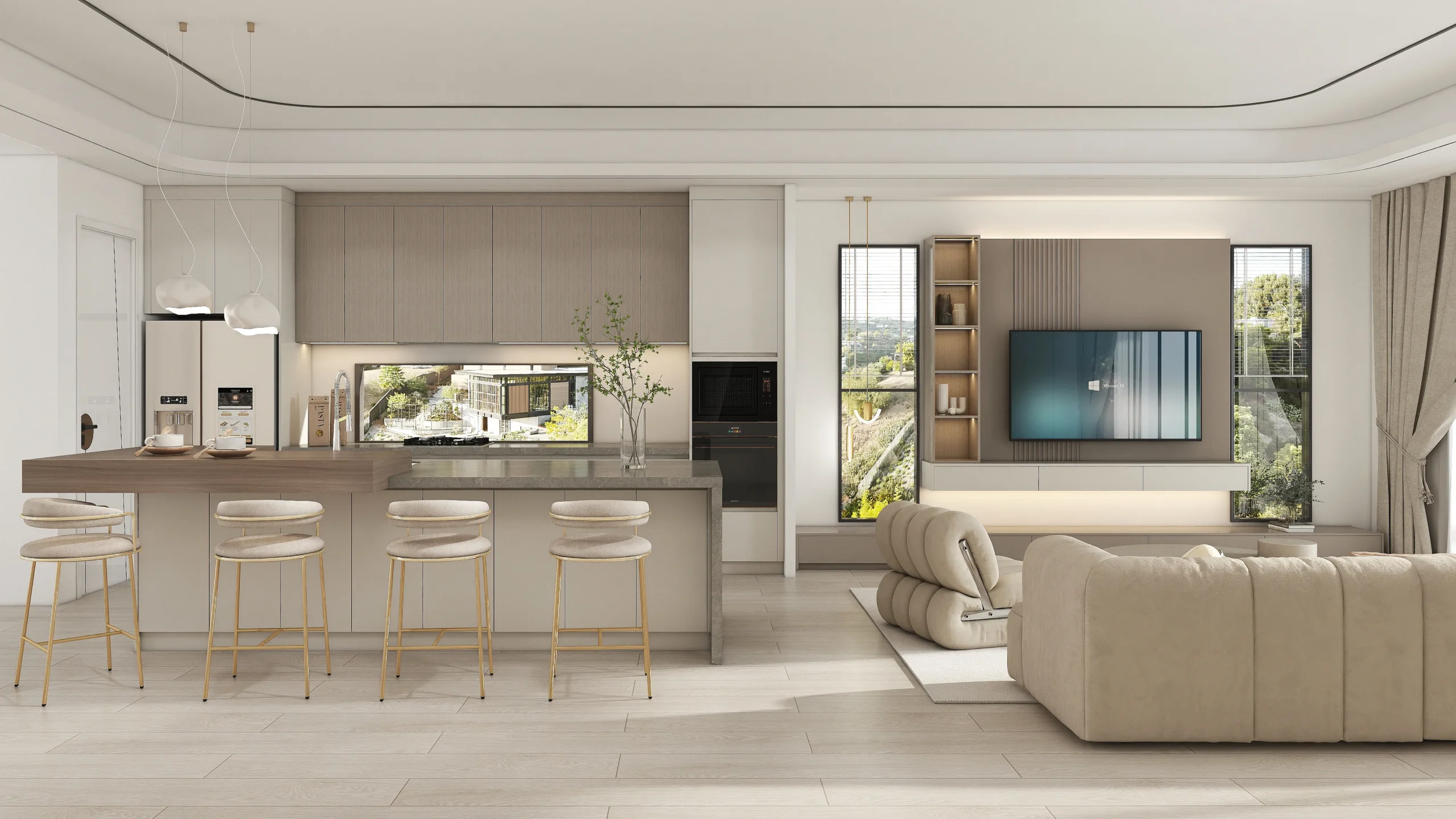
Living in Australia means enjoying beautiful landscapes and diverse climates, but it also presents unique challenges for homeowners. From the humid tropics of Queensland to the cool temperate zones of Tasmania, your windows play a crucial role in maintaining comfort and energy efficiency. Choosing the right type can mean the difference between a home that feels stuffy and expensive to run, and one that’s bright, breezy, and cost-effective. Let’s explore the types of windows that work best in Australian conditions.
1
Louvre Windows
If you’ve ever dreamed of living in a home that breathes, where walls of fresh air replace barriers of glass, then louvre windows deserve your attention. A quintessential feature across Queensland and other tropical parts of Australia, this design is engineered not just for ventilation, but for mastering it. But what makes them so uniquely suited to the Australian heat?
How do louvre windows solve your specific climate challenges?
Mastering the Art of Airflow Control: Unlike fixed or sliding panels, louvre windows give you unparalleled command over air movement. By adjusting the angled glass blades, you can direct breezes upwards towards the ceiling to cool a room evenly, create a gentle cross-flow, or open them fully to capture even the faintest whisper of wind—turning your entire home into a cool, refreshing sanctuary.
The All-Weather Ventilation Solution: Australian weather can be unpredictable—a sudden downpour on a humid day. With louvre windows, you don’t have to choose between closing up and staying cool. You can keep them partially open during rain, allowing ventilation to continue while the angled blades deflect water away from your interior.
A Nod to Timeless Australian Architecture: While modern aluminium louvre systems offer superb durability and low maintenance, they pay homage to the classic timber louvres found in iconic ‘Queenslander’ homes. This makes them a stylish choice that respects local heritage while delivering modern performance, especially in salt-laden coastal air.

2
Sliding Windows
For contemporary Australian homes where clean lines and practicality matter, sliding windows deliver outstanding performance. Their simple horizontal glide mechanism makes them ideal for modern living, particularly where space is at a premium or where you want to maximise your view.

What makes them so practical for Australian homes?
Uninterrupted views: With minimal framing and no central rail, they frame your outdoor space beautifully
Space efficiency: Since they don’t open inward or outward, they’re perfect for areas near walkways or furniture
Low-maintenance operation: The simple track system is reliable and easy for all ages to operate

Keep in mind: Their maximum opening is 50% of the total window area, which might limit ventilation compared to other styles. Regular track cleaning is also recommended to prevent debris buildup in our dusty conditions.
3
Double Hung Windows
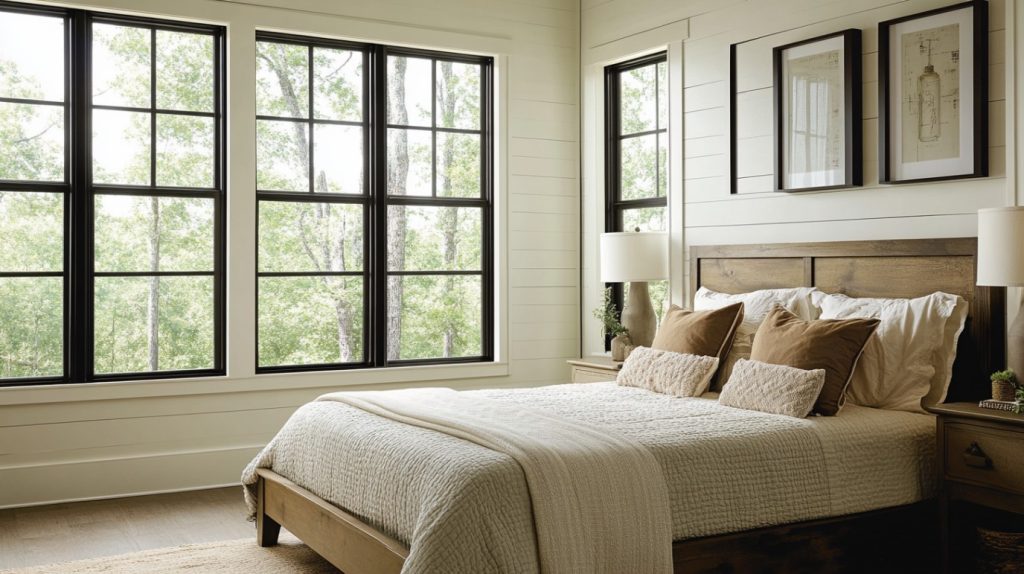
When you picture a traditional Australian home, double hung windows often come to mind. Characterised by two vertically sliding sashes, this timeless design has remained popular for good reason. Their versatile operation allows you to open both top and bottom sashes simultaneously, creating excellent air circulation as warm air escapes from the top while cooler air enters from below.
Why do Australian homeowners love them?
Superior ventilation control: Perfect for managing airflow during our variable weather conditions
Easy cleaning solution: Modern designs feature tilt-in sashes, letting you clean exterior glass safely from inside
Architectural versatility: They complement everything from Victorian terraces to Federation homes
Consider this: While excellent for traditional aesthetics, their sliding mechanism can be less airtight than modern crank-operated windows. This might affect energy efficiency in extreme climates, though updated sealing technology has significantly improved their performance.
4
Casement Windows
Casement windows are hinged on one side and open outwards with a simple crank of a handle. This straightforward mechanism unlocks a host of benefits that make them a standout choice for the modern Australian home.

What makes casement windows a smart, all-round performer?
Superior Seal for Energy Efficiency: Their defining feature is the compression seal created when the window is fully closed and locked. Unlike sliding windows which always have a gap, casement windows clamp shut, forming a tight barrier against drafts, dust, and noise. This makes them a champion for energy efficiency, helping to keep your home comfortable and your power bills in check.
Uninterrupted Views and Maximum Ventilation: With no central rail to obstruct your line of sight, they offer beautifully clean sightlines. When opened, they act like a scoop, catching side breezes and directing a full stream of fresh air into your room far more effectively than a restricted sliding window.
Intuitive Operation and Modern Appeal: The easy-to-turn crank mechanism offers precise control and is often easier to operate for all ages than the heavy lifting of a double-hung sash. Their clean, minimalist look complements a wide range of contemporary architectural styles.
A practical consideration:
Their outward swing means you need to ensure there’s adequate space outside—away from busy walkways or lush garden plants—for them to open fully without obstruction.
If your priority is a versatile, energy-smart window that offers excellent ventilation and a clean aesthetic, the casement window presents a compelling and highly practical solution.
5
Awning Windows
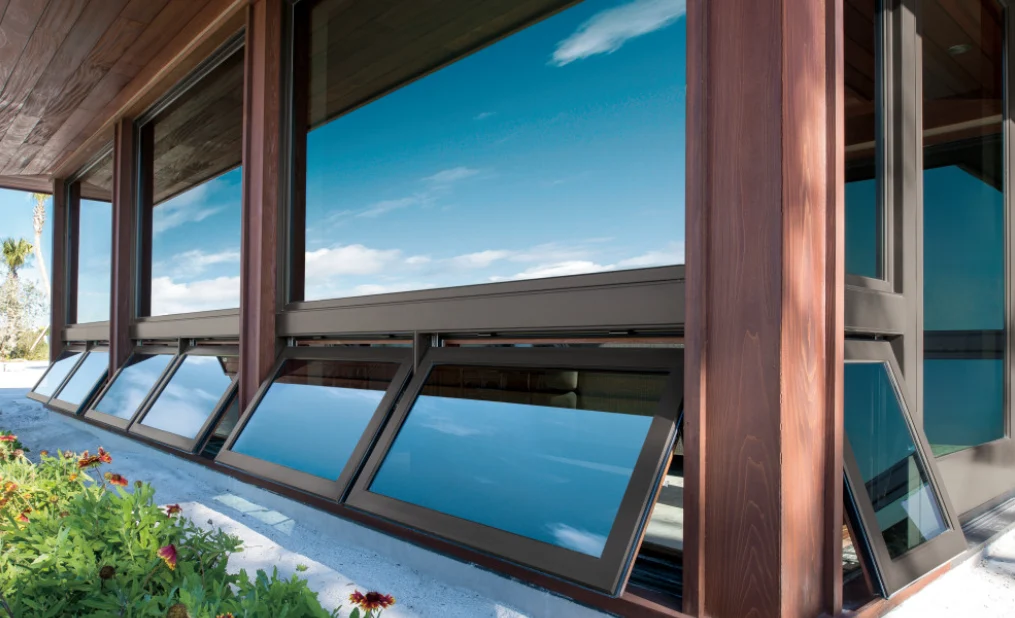
Awning windows are hinged at the top and open outward from the bottom, creating a protective ‘awning’ effect. This simple yet brilliant design makes them an incredibly versatile and practical choice.
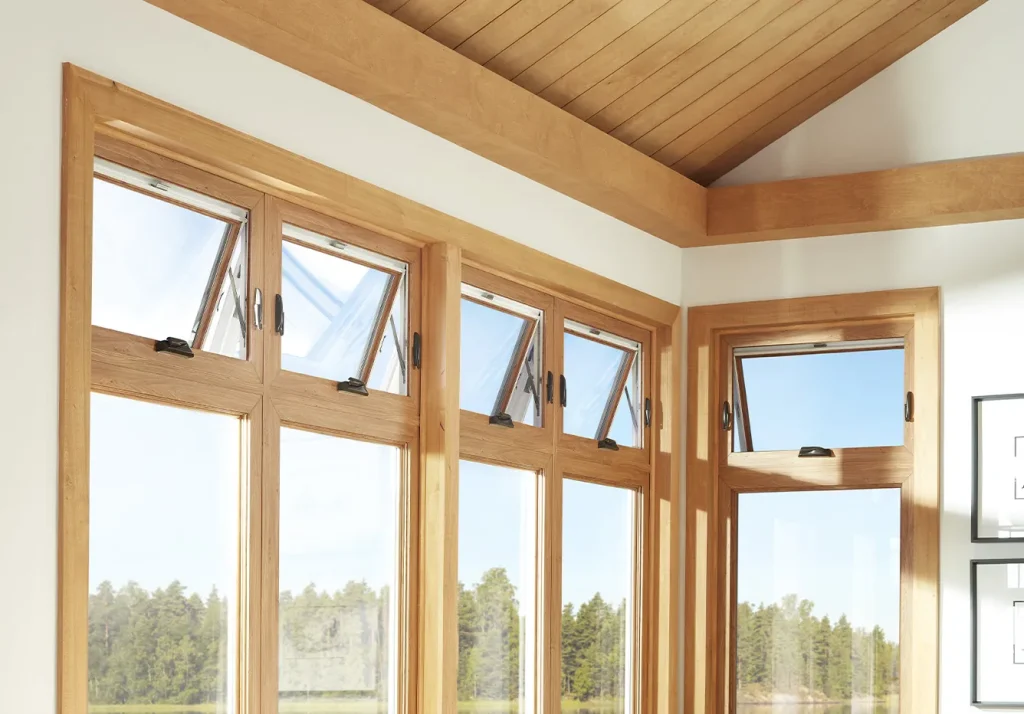
Why are awning windows a secret weapon for comfort and ventilation?
All-Weather Ventilation: This is their standout feature. You can leave awning windows open during rain showers without water entering your home. The outward-opening pane acts as a shield, allowing fresh air to circulate freely even in wet weather, perfect for managing humidity.
Enhanced Energy Efficiency: Similar to casement windows, the opening mechanism pulls the sash tightly against the frame, creating an exceptional seal when closed. This superior air-tightness prevents drafts and helps maintain a consistent indoor temperature, reducing your heating and cooling costs.
Versatile Placement and Safety: Their design from the top hinge makes them ideal for placement in hard-to-reach areas like above kitchen sinks or in bathrooms where privacy and weather protection are key. They are also a safe option for families with young children, as they can be locked in a slightly open position for secure, continuous ventilation.
A point to consider:
Because they open outwards, it’s important to be mindful of their placement concerning outdoor features like awnings, eaves, or landscaping to ensure they can open fully without obstruction.
If you need a highly functional window for bathrooms, laundries, or any room where weather-proof ventilation and energy efficiency are priorities, the awning window is a remarkably smart and often underutilised solution.
6
Bi-Fold Windows
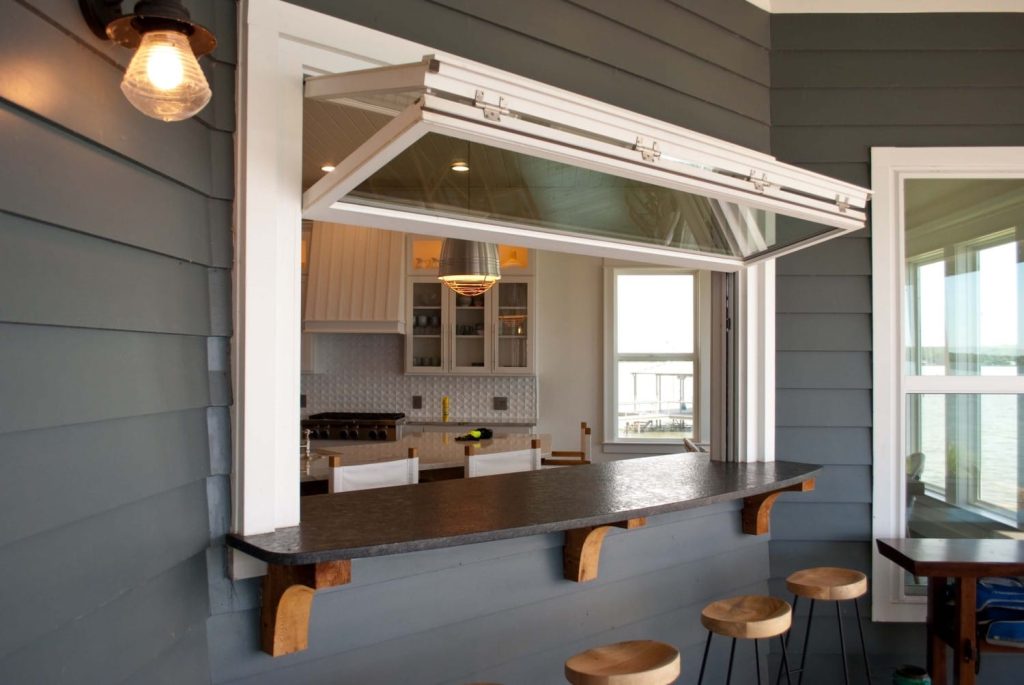
For homeowners seeking to truly erase the boundary between indoors and outdoors, bi-fold windows represent the ultimate solution. These systems consist of multiple panels that fold neatly and stack to one side, creating a vast, uninterrupted opening that transforms any living space.

What makes bi-fold windows a transformative design choice?
Maximum Opening, Seamless Flow: Unlike any other window style, bi-fold windows can open up an entire wall section. This creates a genuine indoor-outdoor living experience, perfect for entertaining or simply enjoying a spacious, airy atmosphere in your home.
Superior Versatility and Space Efficiency: The panels fold and stack compactly against each other, taking up minimal space when fully open. This makes them ideal for areas where a sliding door’s fixed panel would obstruct the view or usable space.
Modern Aesthetic and Customization: They offer a sleek, contemporary look with slim frames that maximize glass area and views. Available in various configurations and sizes, they can be tailored to suit large or unusually shaped openings.
A key consideration:
This sophisticated functionality and custom engineering typically come at a higher cost than simpler window types, and the tracking system requires periodic cleaning and maintenance to ensure smooth operation.
If creating a dramatic, open-plan living area that fully connects your interior with your garden or balcony is a top priority, bi-fold windows offer an unparalleled and transformative architectural solution.
7
Bay Windows
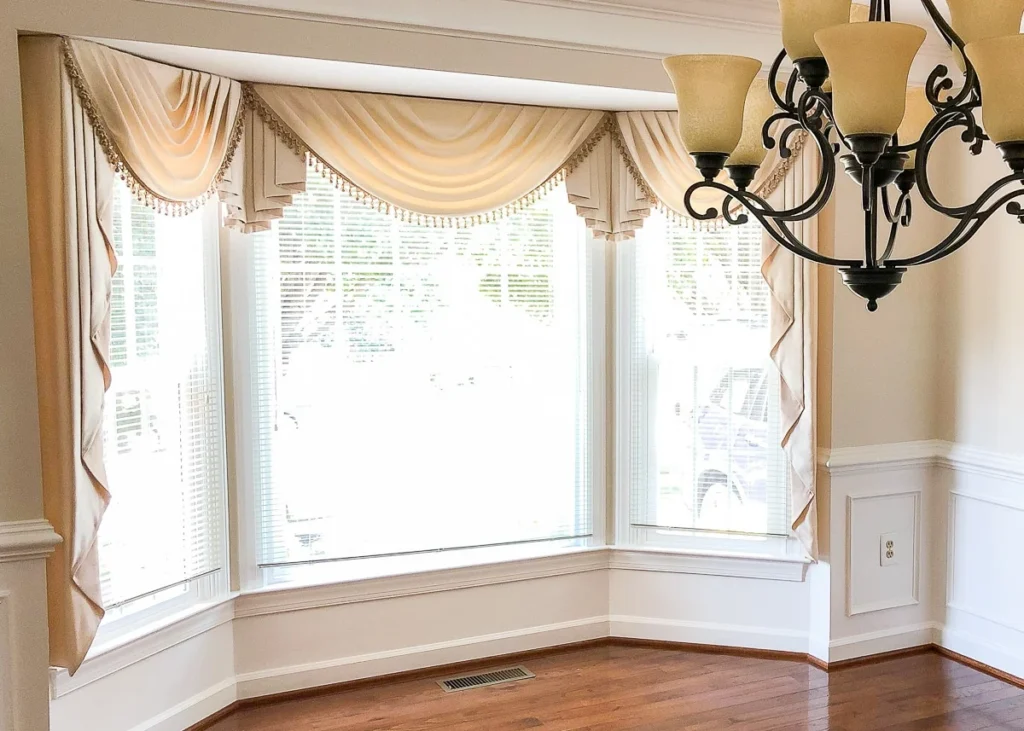
For those seeking to add architectural character and spatial elegance to a room, bay windows offer a timeless solution. This classic design projects outward from the main walls of a building, creating a multi-faceted glass enclosure that transforms the feel of any interior space.
What unique benefits do bay windows bring to your home?
Expanded Space and Added Value: The projecting design inherently creates a perception of more square footage, providing a perfect niche for a reading nook, a window seat, or simply extra floor space. This feature instantly elevates a room’s appeal and can significantly enhance your property’s value.
Panoramic Views and Abundant Light: With glass panels on multiple angles, bay windows capture light from different directions throughout the day, flooding the room with natural illumination. This design also offers more expansive, panoramic views of the outdoors compared to a flat wall of windows.
Architectural Definition: A well-proportioned bay window serves as a stunning focal point, adding depth, dimension, and classic charm to both a home’s interior and exterior facade. It breaks the monotony of a flat wall, creating visual interest.

A key consideration:
This is a custom, structural installation that requires professional expertise and is among the more significant investments in window types. Its complex design can also influence external factors like eaves and guttering.
If your goal is to infuse a living area or master bedroom with character, light, and a sense of expanded space, the bay window remains an unrivalled architectural statement.
8
Picture Windows
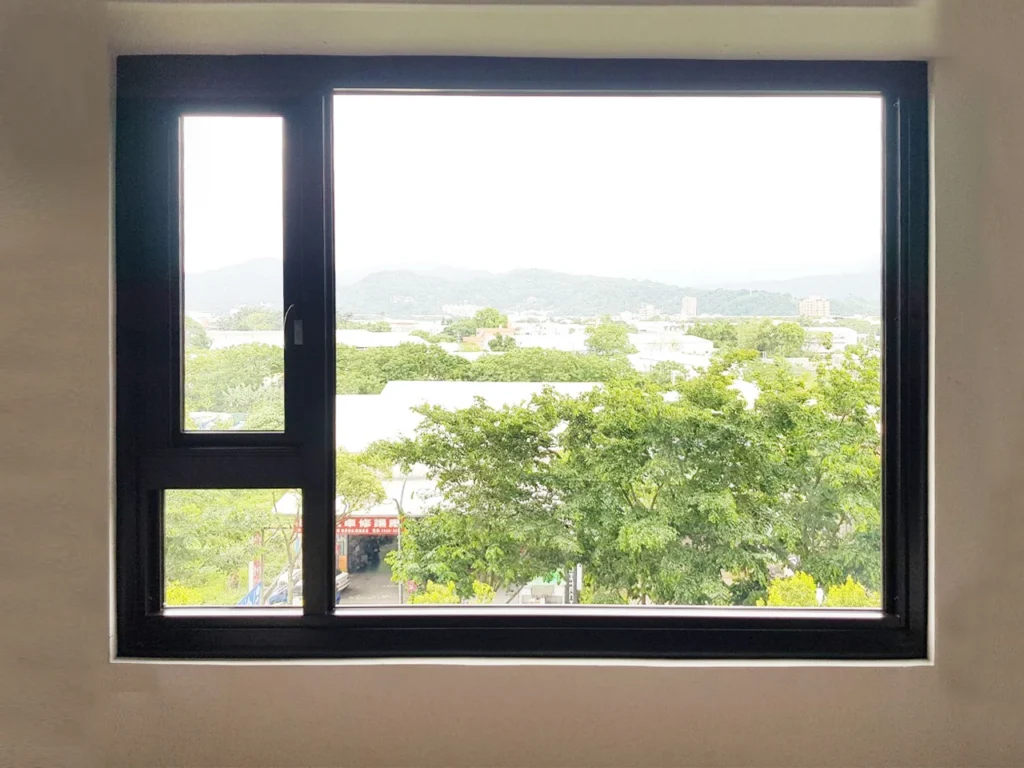
When the view itself is your priority, the picture window(fixed window) delivers an uncompromising solution. These large, fixed panes of glass are designed to frame your outdoor landscape like a living work of art, offering completely unobstructed views and flooding your interior with natural light.
Their sealed nature is their greatest strength for energy efficiency. With no opening mechanisms to create potential gaps, they provide a superior thermal barrier, helping to maintain a consistent indoor temperature and lower energy bills.
The key consideration is their single function: they do not open for ventilation. They are most effectively used in combination with other operational windows, such as awning or casement styles, placed strategically alongside to create a complete wall of light, view, and fresh air.
9
Skylight Windows
For spaces where wall space is limited or you want to harness overhead light, skylight windows are the perfect solution. These roof-installed windows dramatically transform interior rooms by flooding them with natural light from above, creating a brighter and more spacious atmosphere.
Key advantages include exceptional daylighting that reduces reliance on artificial lighting, and potential ventilation—many models can be opened to allow hot air to escape, improving air circulation. Modern tubular skylights offer compact alternatives for smaller spaces like hallways and bathrooms.
Proper installation is crucial for avoiding leaks and managing solar heat gain. Professional assessment of roof angle and glazing type ensures optimal performance. When correctly specified, they become one of the most impactful additions to dark areas of your home.

10
Corner Windows
For a truly modern architectural statement, corner windows create stunning visual impact by joining two glass panes at a 90-degree angle with minimal framing. This innovative design eliminates the corner post, transforming room edges into seamless, panoramic vistas that blur the boundaries between inside and outside.
The primary advantage lies in its revolutionary spatial effect. By removing the visual barrier of a solid corner, these windows make rooms feel substantially larger and more open while flooding the space with light from two directions. This creates a sculptural quality that becomes the immediate focal point of any interior.
Installation requires specialized engineering and professional glazing expertise to ensure structural integrity and weatherproofing. While representing a premium investment, corner windows deliver unparalleled contemporary appeal for those seeking to push architectural boundaries and maximize both light and views in modern home designs.

Australian Window Types: Quick Comparison
| Window Type | Ventilation | Energy Efficiency | Views & Light | Ease of Cleaning | Space Efficiency |
|---|---|---|---|---|---|
| Double Hung | ★★★★★ | ★★★☆☆ | ★★★☆☆ | ★☆☆☆☆ | ★★★★★ |
| Sliding | ★★★☆☆ | ★★★★☆ | ★★★★★ | ★★★☆☆ | ★★★★★ |
| Louvre | ★★★★★ | ★☆☆☆☆ | ★★★★☆ | ★★★★☆ | ★★★★★ |
| Casement | ★★★★★ | ★★★★★ | ★★★★★ | ★★☆☆☆ | ★★★☆☆ |
| Awning | ★★★★☆ | ★★★★★ | ★★★★☆ | ★★☆☆☆ | ★★★★★ |
| Bi-Fold | ★★★★★ | ★★★☆☆ | ★★★★★ | ★★★☆☆ | ★★☆☆☆ |
| Bay | ★★☆☆☆ | ★★★☆☆ | ★★★★★ | ★★★☆☆ | ★☆☆☆☆ |
| Picture | ☆☆☆☆☆ | ★★★★★ | ★★★★★ | ★★★★☆ | ★★★★★ |
| Skylight | ★★☆☆☆ | ★★★★☆ | ★★★★★ | ★☆☆☆☆ | ★★★★★ |
| Corner | ☆☆☆☆☆ | ★★★★☆ | ★★★★★ | ★★★★☆ | ★★★☆☆ |
Conclusion
Selecting the right windows is about balancing aesthetics, functionality, and energy performance for your specific Australian home. From classic double hungs to modern corner windows, each style offers unique benefits.
For personalised advice on the latest energy-efficient solutions and window designs suited to your local climate, contact PA Home today. Our experts will help you make the best choice for comfort and style.
Ready to transform your home? Contact PA Home for a consultation on Australian window solutions.
FAQs about Window Types
The most popular window types in Australia are sliding windows and double-hung windows, known for their ease of use and practicality, especially in homes with limited space.
The Australian standard for windows is defined by AS 2047, which covers performance requirements for windows and doors, ensuring they meet necessary safety, durability, and energy efficiency standards for different climates.
Some of the top window brands in Australia include Bradnam’s Windows & Doors, A&L Windows, and G James Glass & Aluminium, known for their high-quality materials, energy efficiency, and reliable warranties.
The most common house styles in Australia are modern homes, featuring open-plan layouts and large windows, and traditional Australian homes, which often incorporate verandas and classic window designs like double-hung or casement windows.
Casement windows open outward from the side with a hinge, offering excellent ventilation and security. Awning windows open outward from the top, allowing ventilation even during rain but with a more limited opening range.
Read More
Looking for more insights? Explore these related articles: