Your storefront windows are your “chief silent salesperson,” working around the clock.
Old, inefficient, or poorly maintained windows not only affect aesthetics but can directly impact your energy efficiency, security, and store appeal. Choosing the right commercial storefront windows and doors is a crucial strategic investment. This guide will clearly walk you through the costs, selection process, and installation, helping you make the best business decision.
What Are Storefront Windows?
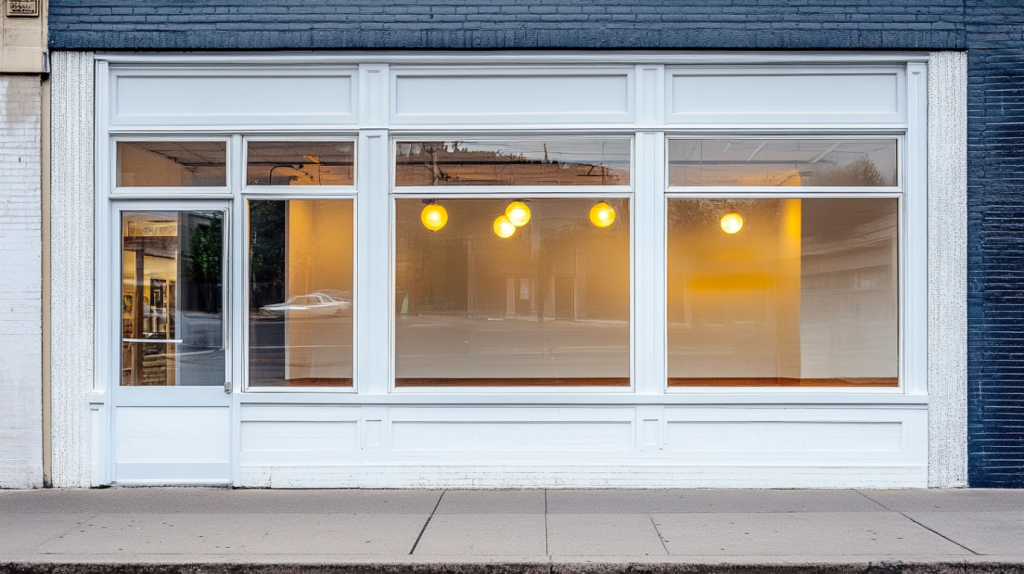
At its core, a storefront window system is a non-structural, ground-floor building envelope designed specifically for commercial and retail applications. Its primary job is to provide maximum transparency and access from the street into a business, acting as both a showcase and an entry point. Unlike the walls they replace, these systems are engineered to support large spans of glass within slim, sturdy frames—typically aluminum—to invite light and visibility.
Difference: Storefront Windows vs Curtain Walls
The most common point of confusion is between storefront windows vs curtain walls. While they may look similar, understanding their key differences is crucial for planning and compliance:
| Feature | Storefront Window System | Curtain Wall System |
|---|---|---|
| Application | Typically used on ground floors (single story) | Used for multi-story building facades or entire buildings |
| Structural Relationship | Relies on the building structure (columns, beams), not load-bearing | Self-supporting, independent of building structure |
| Design Purpose | Enhances storefront visibility and provides an entrance | Protective exterior for buildings, often for taller commercial buildings |
| Recovery and Maintenance | Requires regular maintenance, design updates, and component replacements | More durable, designed for harsher elements, requires less maintenance |
In short, all storefront windows can be considered a type of curtain wall, but they differ in how they connect to the building’s structure. If you are designing a storefront window or an exterior window system, you may want to focus on custom storefront windows. In architectural design plans (storefront windows in plan) or Revit modeling (storefront windows Revit), these two systems can be treated differently because of their unique structural designs.
How Much Do Storefront Windows Cost?
The cost of storefront windows can vary significantly depending on several factors, including the materials used, the size and design of the window, installation requirements, and the location of the property. On average, the cost of storefront windows can range from $50 to $150 per square foot. Here’s a breakdown of the elements that influence the price:
Material Selection
Aluminum Frames: One of the most common and cost-effective options, with prices typically ranging from $50 to $100 per square foot.
Steel Frames: Offers higher durability but can be more expensive, often costing between $100 and $150 per square foot.
Wooden Frames: While less common for storefronts, wooden frames may be chosen for aesthetic purposes, costing higher depending on quality and finish.
Glass Type
The type of glass you select will have a major impact on the cost:
| Glass Type | Description | Price Range |
|---|---|---|
| Standard Glass | Basic clear glass, most economical option. | Low |
| Energy-Efficient Glass | Low-E or insulated glass, reduces energy costs. | Mid to High |
| Tempered Glass | Stronger and safer, offers higher durability. | High |
Size and Customization
Standard rectangular windows with fixed glass surfaces are generally more affordable. Customized designs, such as curved, irregular shapes, special colors (like non-standard powder coating or fluorocarbon coatings), or very small/large sizes can significantly increase the overall cost.
Installation Costs
Installation represents a significant portion of the overall cost. It includes the removal of the old system, debris disposal, structural repairs, and high-altitude work. The difficulty of installing in historic buildings or special structures can greatly increase labor and time costs. On average, depending on the complexity of the project, local labor rates, and whether specialized glazing services are needed, installation costs can add an additional $20 to $50 per square foot.
Location and Building Requirements
Costs can also vary depending on the location of the property. Areas with higher living or commercial costs may have higher installation fees. Additionally, special requirements like structural reinforcements or custom-sized frames can also impact the total project cost.
Additional Work and Miscellaneous Fees
Expenses such as building permit application fees, project insurance, temporary barriers, and professional cleaning after the project is completed should also be included in the budget.
2026 Popular Storefront Window Design Trends
Storefront window designs in 2026 not only focus on visual impact but also emphasize energy efficiency, customer experience, and brand expression. Whether for retail spaces, hotels, restaurants, or flagship stores, the following trends are becoming increasingly popular:
1
Frameless Glass Fronts
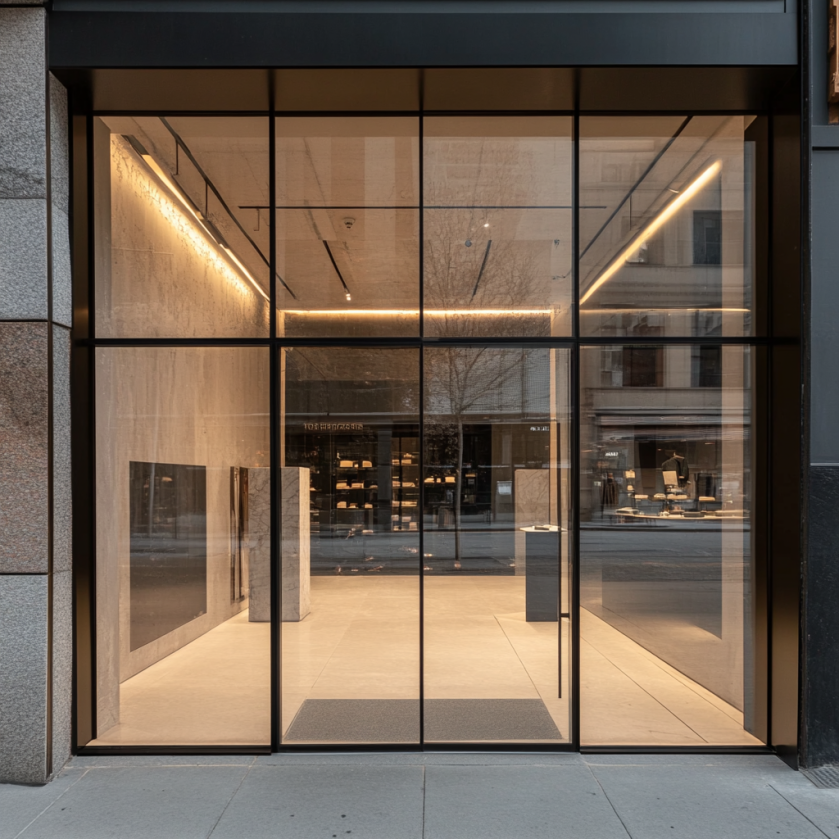
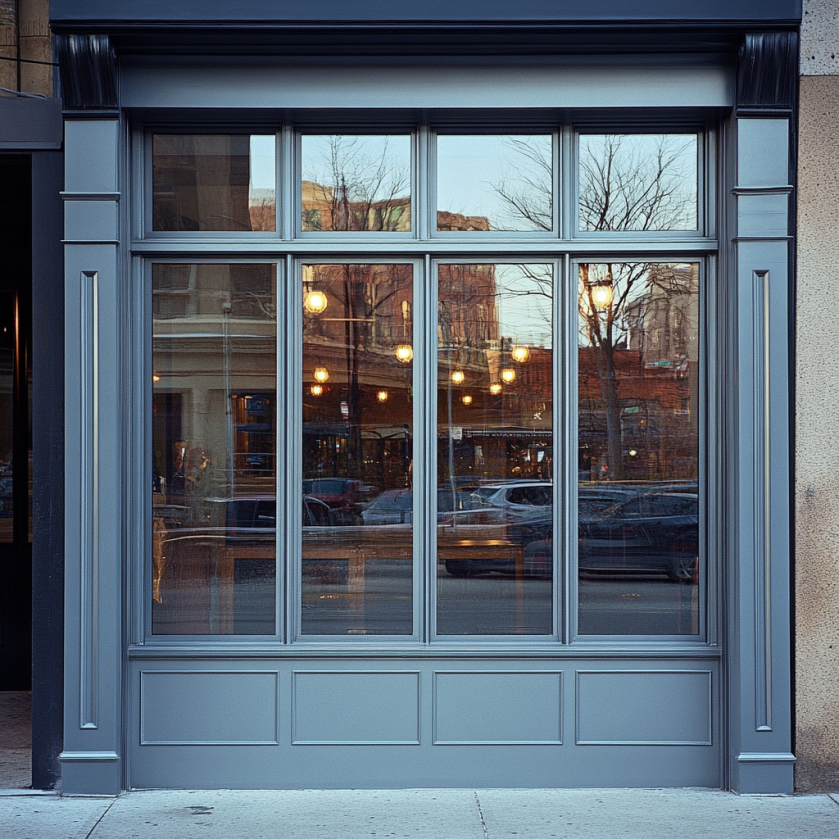
Frameless or ultra-narrow frame glass storefronts offer maximum transparency, allowing products to stand out and draw in customers. This design is ideal for high-end retail stores, galleries, and experiential shops, creating an open and inviting feel.
2
High-Performance Aluminum Storefront Windows
Aluminum remains one of the most popular frame materials. In 2025, more refined surface finishes and custom colors (like matte black, bronze, or custom hues) are trending. Aluminum frames are durable, weather-resistant, and seamlessly integrate with modern design aesthetics.
3
Storefront Window with Grills
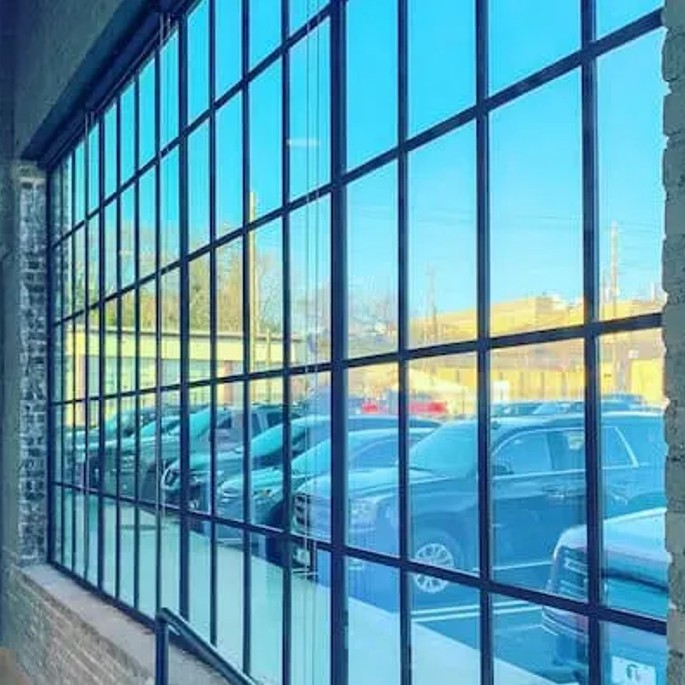
Emphasizing linear and geometric grille designs has become a focal point. Large glass panels combined with prominent frames create a striking visual impact, making them ideal for modern flagship stores and artistic spaces.
4
Energy-Efficient Glass Designs
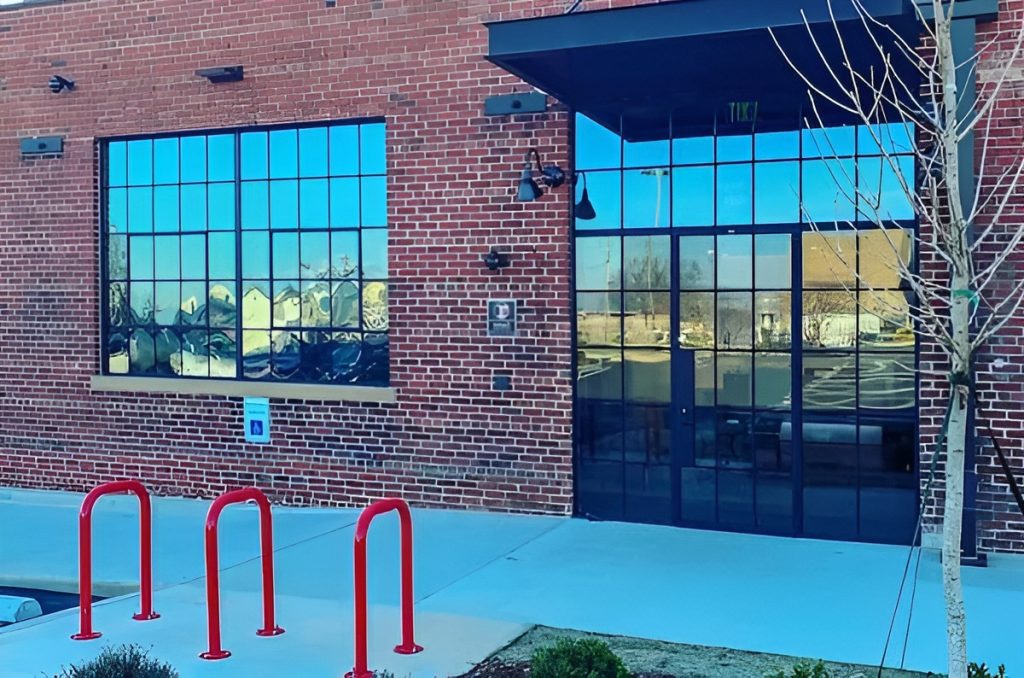
With increasing green building standards and energy efficiency requirements, Low-E glass, double-glazed units, and thermal break aluminum frames have become mainstream. These configurations not only enhance comfort but also reduce energy consumption and operating costs.
What Are the Best Security Features for Storefront Windows?
Security is a top concern for any business, especially for commercial storefront windows that face the street and are exposed to potential break‑ins, vandalism, or impact from weather and traffic. Choosing the right security features not only protects your property and merchandise but also helps lower insurance costs and build customer confidence.
| Security Feature | Benefits |
|---|---|
| Impact‑Resistant/Laminated Glass | Reduces forced entry and keeps glass fragments in place. |
| Tempered Glass | Higher strength and safer break pattern. |
| Security Film | Slows intrusion and reduces debris. |
| Reinforced Frames/Hardware | Strong resistance against prying or bending. |
| Multi‑Point Locks | Enhanced locking strength, especially for operable windows/doors. |
| Grilles/Security Screens | Physical barrier after hours. |
| Alarms & Sensors | Immediate alerts on tampering or break‑ins. |
| Lighting & Surveillance | Deters crime; supports incident response. |
How to Choose and Configure Your Solution
Choosing the best combination should be based on a risk assessment:
Evaluate the Risk Level:
Low to Moderate Risk Areas (high foot traffic retail): Use a combination of laminated glass + security film + visible surveillance to focus on deterrence and delay.
High Risk Areas (jewelry stores, high-end electronics, overnight unattended stores): A deeper combination of anti-theft glass/polycarbonate + anti-pry frames + multi-point locks + integrated alarm system is necessary.
Follow the "Balance Principle":
Security investment should match asset value. The security budget for a display window holding high-value items should be much higher than for a regular window.
Consult Professional Security Advisors:
For high-risk scenarios, it is strongly recommended to hire a certified security advisor for an on-site evaluation and ensure the design meets insurance requirements (potential premium discounts).
Pay Attention to Daily Details:
Ensure adequate interior lighting at night so the inside is visible from the outside.
After hours, move high-value items from the window into a safe.
Regularly check the status of all security devices (especially sensor batteries).
Are Storefront Windows Efficient?

Modern storefront windows can be highly efficient, but this depends on the specific configurations. Their core energy efficiency lies in effectively blocking heat transfer, with key configurations making a significant difference:
Glass: Using double-glazed Low-E glass is the foundation of efficiency, acting like a thermos to provide excellent insulation.
Frame: Aluminum frames with “thermal break” technology. High-strength non-metallic insulation strips are inserted between the inner and outer aluminum materials, effectively blocking heat transfer through the metal frame.
Installation: Professional, sealed installation ensures the performance of the design, preventing air and moisture infiltration.
Choosing an efficient configuration not only saves energy but also improves interior comfort, eliminates glass condensation, and conveys a high-quality brand image, making it a long-term investment with substantial returns.
How to Install Storefront Windows?
Storefront window installation is strongly recommended to be handled by professional contractors, as it is a highly precise and seal-dependent process.
The entire process begins with millimeter-level measurements and structural repairs after removing the old windows. The core steps involve using specialized tools to calibrate and anchor the main frame in three dimensions, ensuring absolute horizontal and vertical alignment. Then, the glass is installed, and continuous, uniform weatherproof sealant is applied, followed by adjusting all hardware components.
DIY installation can easily lead to seal failures (leaks and drafts) or misalignment of the frame (resulting in glass breakage). Additionally, many high-quality products require installation by certified teams to maintain warranty coverage. Therefore, choosing a qualified and reputable professional window contractor is the only reliable way to ensure installation quality, system performance, and long-term warranty.
How to Clean Storefront Windows?
Prepare the Right Tools: Use a professional rubber squeegee, microfiber window cloth, or sponge, along with a bucket of water. Avoid using regular cloths or newspaper that may scratch the glass.
Choose the Right Cleaner: The best option is a commercial glass cleaner or a homemade solution (mix 1 part vinegar with 10 parts water). Avoid using soapy water or abrasive cleaners, as they can leave water stains.
Use the “Top to Bottom” Method: Apply the cleaner to the glass with your tool, then immediately use the squeegee to wipe from top to bottom in an “S” shape. After each pass, wipe the squeegee blade dry to prevent streaks.
Clean the Frame and Hardware: Finally, wipe down the aluminum frame and hardware with clean water and a soft cloth to remove dust and salt, preventing corrosion.
Important Safety and Maintenance Tips
-
✔
Safety First: For high or exterior windows, always hire professional high-rise workers—never attempt it yourself.
-
✔
Regular Maintenance: Perform a thorough cleaning every quarter and check for blockages in the frame drainage holes after rain or windy days.
-
✔
Check Seals: While cleaning, inspect the sealant around the glass edges. If you notice any signs of aging, cracking, or peeling, contact a professional to repair it and prevent leaks.
Where to Buy Storefront Windows?
For commercial projects, the most reliable and efficient option is to directly contact local professional window manufacturers or contractors. They can offer expert designs that meet commercial building codes, precise measurements, performance guarantees, and installation services.
You can also search online using terms like “commercial storefront windows near me” and “commercial window contractor” to find multiple qualified local providers, allowing you to compare and make the best decision for your project.
Whether you’re renovating an existing property, building a new one, or working on a larger hotel or commercial project, reputable window companies like PA Home provide a wide range of customizable, energy-efficient storefront windows, including various aluminum storefront windows to meet your specific needs.
At PA Home, we offer high-quality storefront windows with excellent insulation, security features, and modern designs. We have successfully handled numerous residential, hotel, and commercial projects. Contact us today to discuss your project requirements, and let our experts guide you in choosing the ideal windows for your business.
FAQs about Storefront Windows
To paint storefront windows, start by cleaning the glass thoroughly to remove dirt and grease. Use painter’s tape to protect the frame and surrounding areas. Choose a high-quality paint suitable for glass, such as acrylic or enamel. Apply the paint in thin, even layers using a foam roller or brush, and allow each coat to dry before applying the next. For a smooth finish, use a squeegee or soft cloth to remove excess paint and avoid streaks. Regularly clean the glass after painting to maintain its appearance.
For best results, consider hiring professionals, especially for large or high-traffic storefronts.
A strong design balances aesthetics with function—maximizing visibility, enhancing the brand image, and working with natural light while meeting energy and security goals.
Popular choices include large, expansive windows for maximum visibility, sliding or hinged windows for versatility, and frameless windows for a modern, sleek look.
Use high-quality, exterior-grade paints designed for glass or metal surfaces, such as acrylic or enamel. These paints are durable and provide a smooth finish.
There is no universal “standard” size for storefront windows, as dimensions vary based on the building’s design and the intended use. However, common storefront window sizes range from 6 feet to 12 feet wide and 8 feet to 10 feet high, though custom sizes are often created for unique designs.