
Garage door sizes sound straightforward—until you start comparing listings and realize terms like standard garage door sizes, “opening,” and garage door size don’t always mean the same thing. The good news is most homes still fall into a handful of common sizes, and once you understand what “standard” really refers to, choosing the right door becomes much easier. In this guide, you’ll find a clear sizes chart, simple measurement tips, and practical selection advice to help you avoid wrong orders and costly surprises—plus a few practical buying pointers if you’re ready to replace or upgrade your door.
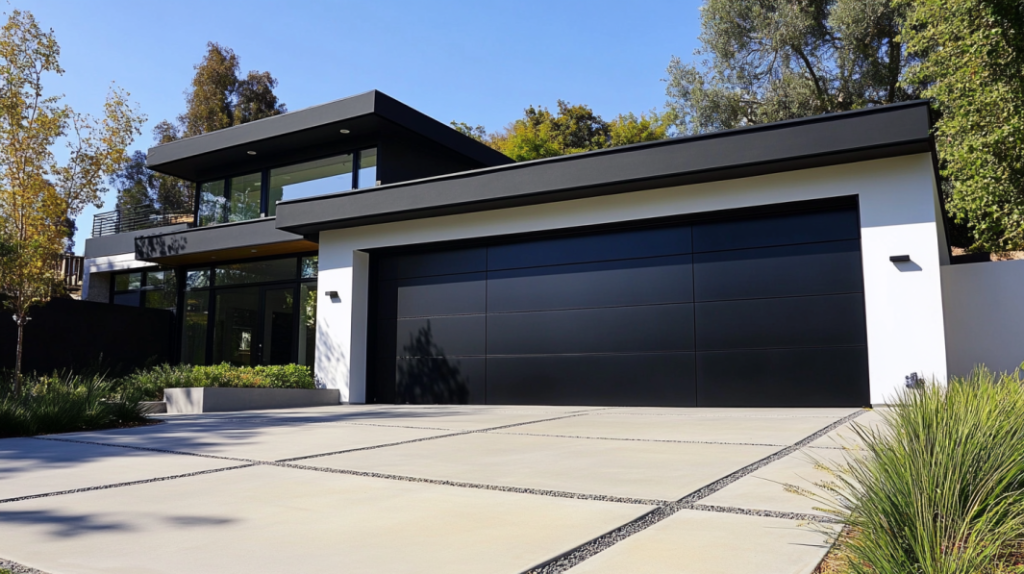
What Is A Standard Garage Door Size?
“Standard garage door sizes” doesn’t mean there’s one universal rule for every home. It simply refers to the most commonly produced and widely available garage door size options used in residential construction—sizes that garage door manufacturers stock more often, installers see every day, and homeowners can replace more easily.
One important detail: when people say garage door size, they usually mean the door’s nominal size (like 9×7 or 16×7). Your home also has an opening size—the framed hole in the wall—and while many garages are built to match standard sizes, real-world conditions (trim, slightly uneven floors, older framing, renovations) can make measurements feel a bit “off.”
The practical takeaway is simple: choosing a standard garage door size usually means faster availability, simpler hardware compatibility, and easier future repairs. If your opening is unusual—or you need extra height for trucks, roof racks, or an RV—then custom sizing becomes worth considering.
What Are the Standard Garage Door Sizes for Single-Car Garages?
When it comes to single-car garage door sizes, there are a few standard dimensions that are most commonly used in residential homes. These sizes are designed to fit the average car, providing enough space for easy parking while also optimizing the garage’s layout for storage or other uses.

Here are the typical standard garage door dimensions for single-car garages:
8×7 feet – This is one of the smallest sizes for a single-car garage. It’s ideal for compact vehicles like smaller cars or sedans. It also works well for homes with limited driveway space.
9×7 feet – This is probably the most common single-car garage door size. It’s a perfect fit for most standard-sized cars and provides a comfortable amount of space for easy entry and exit.
10×7 feet – If you have a larger sedan or a small SUV, this extra foot of width can make parking and maneuvering a bit more convenient. It’s a great option if you expect to upgrade your vehicle in the future.
8×8 feet – Though less common, this option can be helpful for homeowners with slightly taller vehicles, such as minivans or crossovers. It provides the same width as the 8×7 but adds a bit of height.
Regular Single Garage Door Sizes Chart
| Dimension | Standard Widths | Standard Heights | Typical Thickness |
|---|---|---|---|
| Single-Car Garage | 8 feet, 9 feet, 10 feet | 7 feet, 8 feet | 1.5 inches – 2 inches |
Garage Door Width: Common widths for single-car garage doors, suitable for various car sizes or small SUVs.
Garage Door Height: Standard height options for single-car garage doors, providing enough clearance for most standard vehicles.
Garage Door Thickness: The thickness range for doors, impacting soundproofing, insulation, and durability.
What Are the Standard Garage Door Sizes for Double-Car Garages?

For many homeowners with two vehicles, having a garage that can comfortably fit both is a must. The standard size for 2 car garage doors is typically 16 feet in width and 7 to 8 feet in height. This size is often configured as two 8-foot-wide bays, which may be separated by a central post or column.
Opting for a 2-car garage door provides a seamless, unified look, while two single-car garage doors offer separate access for each vehicle. The key difference is that a 2-car garage door requires only one opener, while two single doors each need their own garage door opener. Budget-wise, the cost of installing two single-car garage doors is comparable to that of a 2-car garage door, you can choose them as you like.
What Standard Garage Door Sizes Work Best for 3-Car Garages?

For a 3-car garage, the most common garage door widths are 18 feet and 21 feet. Here’s a breakdown of typical standard sizes:
| Dimension | Width | Height |
|---|---|---|
| 16×7 feet | Ideal for most standard vehicles. | Perfect for cars with no roof racks. |
| 16×8 feet | Provides enough room for larger cars. | Extra height for SUVs and vehicles with roof racks. |
| 18×7 feet | Wider option for larger vehicles like trucks. | Suitable for taller vehicles but still keeps a standard height. |
| 18×8 feet | Ideal for full-size trucks or vans. | Best for taller vehicles, offering more clearance. |
Taller vehicles typically require 8 feet of height for sufficient clearance, while 7 feet works for most standard vehicles.
 More Concerns
 More Concerns
How Do You Measure Garage Door Size Correctly for Replacement Projects?
Measuring your garage door size accurately is crucial for ensuring a smooth replacement process. An incorrect measurement can result in ordering the wrong size door, leading to costly adjustments and delays. Here’s how to get it right:
1. Measure the Opening Width
Start by measuring the width of the garage door opening at three points—top, middle, and bottom. The smallest of these measurements is the correct width. Make sure to measure from wall to wall, avoiding any obstructions like shelves or lighting.
2. Measure the Opening Height
Similarly, measure the height at three points: left side, center, and right side. The smallest measurement will give you the correct height. Be sure to measure from the floor to the header (the support beam above the opening), as this will ensure there’s enough clearance for the new door.
3. Check the Headroom
Headroom is the vertical space above the garage door opening. For a standard door, you’ll need at least 12 to 18 inches of headroom, depending on the type of door and opener you plan to use. If there’s not enough headroom, you may need to adjust your door style or opener choice.
4. Measure the Sideroom
Sideroom refers to the space on each side of the garage door opening. You’ll need at least 3-4 inches on each side for the track and hardware. If your garage has a narrow layout, you may need to consider a more compact door option.
5. Measure the Backroom
Backroom is the space inside the garage, behind the door opening. This space is needed for the door’s mechanism, including the track and springs. Ensure you have enough backroom, especially for sectional doors, which require more space to operate smoothly.
6. Check for Obstructions
Look for any pipes, ducts, or other structures that could interfere with the door’s operation. If there are obstructions, measure the distance from the opening to these objects to ensure the door can move freely without obstruction.
Tips for Accurate Measurements
-
✔
Always double-check your measurements to avoid mistakes.
-
✔
Use a level to ensure your measurements are straight and true.
-
✔
If your garage door opening is irregularly shaped, consider consulting a professional to ensure proper fitment.
How to Measure Size for New Garage Doors?
When measuring for a new garage door, it’s important to understand the difference between garage door size, opening size, and rough opening:
Garage Door Size: This refers to the actual size of the door itself, including width and height. It’s what you’ll be ordering.
Opening Size: This is the size of the garage opening (the hole in the wall), measured at the top, middle, and bottom. It’s essential to get this right to ensure the door fits.
Rough Opening: This is the framed space around the opening that supports the door. It’s usually slightly larger than the door size to allow for the installation of tracks and hardware.
Make sure your opening size and rough opening are properly measured before ordering a new garage door to avoid installation issues.
When Should You Choose a Custom Garage Door Size?

If your garage has unique dimensions or you own larger vehicles, a custom garage door size might be necessary. Here are the main reasons to go custom:
Irregular Openings: If your garage has an unusually shaped or non-standard opening, custom doors ensure a perfect fit.
Larger Vehicles: For oversized vehicles like RVs or full-sized trucks, you may need a wider or taller door than what’s available in standard sizes.
Design Preferences: If you have specific aesthetic requirements or want features like extra insulation, a custom garage door allows you to achieve the look and functionality you need.
Opting for a custom door ensures the best fit and function for your unique garage, but be prepared for higher costs and longer lead times.
Want to Buy Garage Doors?
Choosing the right garage door size is essential for both functionality and budget. Whether you go for a standard or custom size, it’s important to consider your vehicle, garage layout, and future needs. If you’re unsure which size works best for your home, contacting a trusted garage door supplier is a smart step.
For high-quality garage doors and expert installation, PA Home is here to help. Reach out to us for the latest garage door designs and professional installation services. Our team can guide you through every step, ensuring a perfect fit for your garage. Contact PA Home today to explore your options!
FAQs
To size a garage door spring, you’ll need to know:
Door Weight: The weight of the door determines the spring’s tension capacity. You can find this in the manufacturer’s specifications or by weighing the door.
Door Height and Width: These measurements help determine the correct spring length and the number of springs needed for balance.
Spring Type: Choose between torsion springs (mounted above the door) or extension springs (on the sides). Torsion springs are more common for heavier doors.
For the best results, it’s recommended to consult a professional to ensure proper sizing and installation for safety and efficiency.
The rough opening for a 9×7 garage door is typically 9′ 1″ wide and 7′ 1″ high. This extra inch on each side allows space for the door’s hardware and proper installation. Always measure carefully, as framing can vary slightly depending on the construction
A 10-foot wide garage door is typically sufficient for smaller vehicles like compact cars or sedans. However, for larger vehicles such as SUVs, trucks, or if you plan to park side by side, a wider door (like 12 feet or 16 feet) might be a better fit. Always consider the size of your vehicles and future needs when choosing a garage door width.
The standard opening for a 2-car garage is typically 16 feet wide and 7 to 8 feet high. This size accommodates most vehicles comfortably. For taller vehicles like SUVs, an 8-foot height is recommended for added clearance.
Small garage door sizes typically range from 8 feet to 10 feet in width and 7 feet in height. These sizes are ideal for compact cars or smaller vehicles. If you have a narrow driveway or limited space, a smaller door can save space and still provide easy access for your car. For taller vehicles, you may want to opt for a larger height or custom sizing.
Yes, 9×7 feet is a standard garage door size for a single-car garage. It fits most standard vehicles, offering a comfortable width and height for easy entry and exit. However, for larger vehicles, such as SUVs or trucks, a 9×8 or 10×7 may be a better fit.