
Picking windows sounds simple at first. Then the questions start. Should you buy new construction windows or replacement windows? Do you need a nail fin? Which frame material makes sense? If that feels confusing, you are not alone.
The good news is this: once you understand how new construction windows are built and installed, the decision gets much easier. Think of them like windows made to become part of the wall system from day one. They are not just glass in a frame. They are part of the weather barrier, the insulation story, and the long-term durability of the house.
What are New Construction Windows?
“What do new construction windows mean?” New construction windows are full-frame window units designed to install directly into a rough opening while the wall framing is exposed. They usually include a nailing fin, also called an installation flange, around the perimeter. That flange lets the installer fasten the unit to the framing and tie it into the weather-resistant barrier and flashing layers.
That detail matters more than many buyers realize. A new construction window is not only there to hold glass. It is there to connect with the wall system correctly. That is why builders often use this type in brand-new homes, additions, and major remodels where siding and trim are not yet finished.
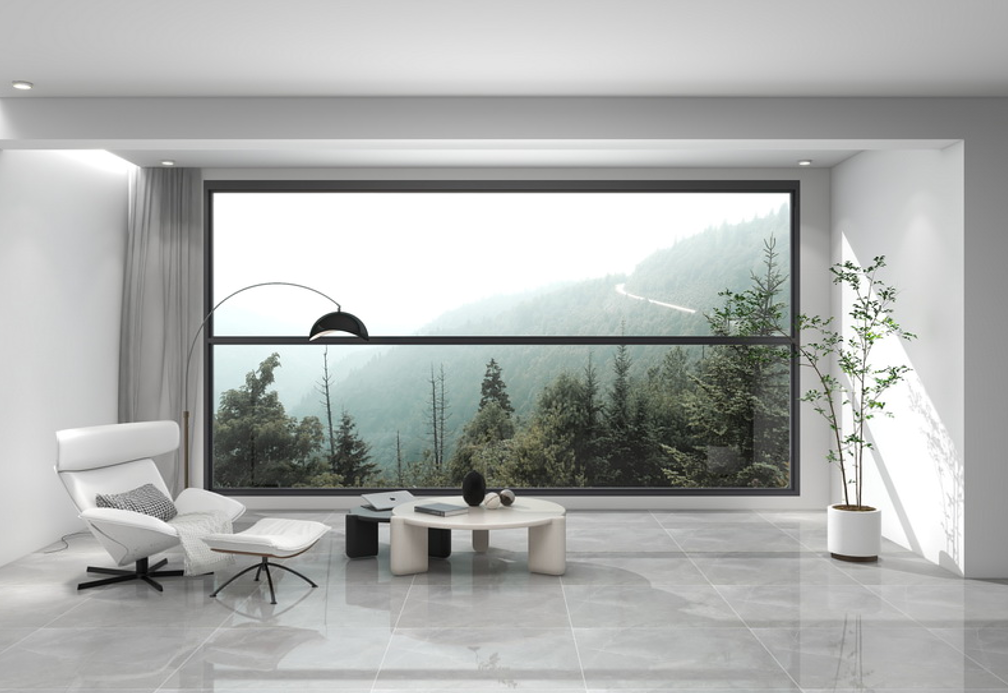
How Much Does a New Construction Window Cost?
Aluminum new construction windows usually start at the lower mid-range for standard sizes, then climb as the system gets larger, stronger, and more energy-efficient. As a rough benchmark, Homewyse estimates the installed cost for aluminum windows at about $560 to $857 per window in January 2026, while HomeAdvisor lists aluminum window units at about $75 to $400 each before installation. Those numbers help explain why simple builder-grade aluminum windows stay relatively affordable, but higher-spec systems can rise fast once you add better glass, larger sizes, custom shapes, or more demanding site conditions.
Glass and performance upgrades also matter. The U.S. Department of Energy notes that low-e coatings often cost about 10% to 15% more than regular windows, but they can reduce energy loss by around 30% to 50%. That means an aluminum new construction window with better low-e glass, insulated glazing, and stronger thermal performance will usually cost more than a basic unit, but it may also deliver better comfort and energy control.
What Are the Pros of New Construction Windows?
Better Wall Integration
New construction windows install into the rough opening, so they connect more directly with the wall, flashing, and weather barrier. This usually creates a more complete installation.
More Design Flexibility
They make it easier to adjust window size, shape, and placement. That is helpful in new homes, additions, and larger remodels.
Cleaner Final Finish
Because the frame and surrounding details are planned together, the finished result often looks more seamless. It does not feel like a new window fitted into an older system.
A Better Solution for Damaged Frames
If the old frame has rot, warping, or structural wear, new construction windows let you fix the full opening instead of just covering the problem.
What Are the Cons of New Construction Windows?
Higher Overall Cost
New construction windows usually involve more work around the opening. That often makes them more expensive than replacement windows.
More Disruption During Installation
In an existing home, the job may require removing siding, trim, or surrounding finishes. That can make the process messier and more time-consuming.
Not Always Necessary
If the existing frame is still solid, replacement windows may be enough. In that case, new construction windows can be more work than the project really needs.
More Coordination Required
These windows often need more planning for measurements, opening details, and scheduling. If the project is not well coordinated, delays are more likely.
New Construction Windows vs. Replacement Windows

This is the comparison most readers care about first, and for good reason. New build windows and replacement windows can both improve comfort and energy performance. But they are built for different installation conditions. Both can deliver similar energy efficiency, but the right choice depends on the existing frame condition and the installation method.
Replacement windows are made to fit into an existing window frame when that frame is still in good shape. The insert windows work when the original frame is sound, square, and not rotted. New construction or full-frame flanged windows make more sense when the wall is open, the old frame is damaged, or the project involves deeper renovation work.
A simple way to think about it is this: replacement windows work like changing the picture inside the frame. New construction windows work like replacing the whole frame and reconnecting it to the wall. If the frame around the old opening is part of the problem, an insert will not magically fix it.
 More Concerns
 More Concerns
When Should You Choose New Construction Windows?

New construction windows are the better choice in several situations:
- You are building a new house.
- You are adding a new room or extension.
- The wall is open to the studs.
- The old frame is damaged, out of square, or rotted.
- You want to change the size or shape of the opening.
- You want a more complete full-frame installation.
This is where many homeowners make an expensive mistake. They focus only on the glass package and ignore the condition of the old frame. If the surrounding structure is compromised, a replacement insert may save time upfront but create future problems. In those cases, a full-frame new construction approach is often the smarter long-term move.
Which Frame Material is Best for New Construction Window?
There is no universal winner. The right frame depends on budget, climate, maintenance expectations, and the design style of the home.
| Frame Material | Main Strengths | Main Drawbacks | Best For |
|---|---|---|---|
| Vinyl | Budget-friendly, low maintenance, moisture-resistant | Less premium in look, fewer high-end finish options | Cost-conscious homes and everyday residential projects |
| Fiberglass | Strong, stable, energy-efficient, handles temperature changes well | Higher upfront cost | Homeowners who want better performance and long-term value |
| Wood | Warm natural look, good insulation, classic appeal | Needs more maintenance, usually costs more | Traditional homes and design-focused projects |
| Aluminum | Slim sightlines, modern appearance, strong frame | Lower thermal performance unless thermally improved | Contemporary homes and large glass openings |
How to Install a New Construction Window?

Installing a new construction window starts with the rough opening. The opening needs to be correctly framed, clean, level, and ready for the window unit. After that, the weather-resistant barrier (WRB) should be in place and cut correctly around the opening so the window can be integrated with the wall system.
The next step is flashing the opening, especially at the sill. In general, the sequence should move from bottom to top so water can drain outward. A sill pan or sill flashing goes first, then the window is set into place, fastened, squared, leveled, and shimmed as needed. After the window is secured, the side flashing is applied, and the top flashing goes on last.
Sealant and insulation also matter. The window should be sealed according to the manufacturer’s instructions, but the flange alone is not enough to waterproof the opening. The flashing, WRB, sealant, and fasteners need to work together as one system. That is why installers should always follow the product instructions and local code requirements instead of relying on a one-size-fits-all method.
How to Choose the Right New Construction Windows?

Here is a simple way to make the decision without overcomplicating it.
Step 1: Confirm the installation condition
Is this truly a new build, an addition, or a major remodel with exposed framing? If yes, new construction windows are usually the correct starting point. If the existing frame is solid and you are not opening the wall, compare replacement options too.
Step 2: Match the frame to the project
Do not choose a material because it sounds premium. Choose it because it fits the performance target, budget, maintenance level, and design style. A practical project beats a trendy one every time.
Step 3: Read the NFRC label
This is one of the easiest ways to avoid vague marketing claims. Compare U-factor, SHGC, visible transmittance, and air leakage using NFRC-certified data. Then check whether the window also meets ENERGY STAR requirements for your climate zone.
Step 4: Think about the house orientation
South- and west-facing walls often take more sun. North-facing walls behave differently. DOE notes that the best insulated glass unit properties vary by climate zone and building orientation. So, one glazing package may not be ideal for every elevation.
Step 5: Treat installation details as part of the product
Ask how the sill will be flashed. Ask how the WRB will be integrated. Ask what sealant and tape system will be used. Ask who is responsible if water shows up later. These are not side questions. They are core questions.
Step 6: Order early and coordinate well
Custom windows are not off-the-shelf accessories. Andersen advises ordering early because windows and doors are often customized to project specifications. Good coordination between builder, supplier, and installer helps protect both schedule and finish quality.
Want to Buy a New Construction Window?
New build windows are the right tool when the wall is open, the frame needs replacement, or the project calls for a true full-frame installation. They offer stronger integration with the wall system, more design flexibility, and a cleaner path for flashing and weatherproofing. But they also require the right installation context and careful coordination.
If you are comparing options for a residential or project build, contact PA Home to help you review frame systems, glazing choices, and custom window solutions that fit the job.
FAQs About New Construction Windows
New construction windows come in both standard sizes and custom sizes. Common retail sizes include 24 x 36, 36 x 36, 36 x 60, 36 x 72, 48 x 48, and 72 x 48 inches. For picture windows, common sizes can go from 36 x 24 inches up to 96 x 60 inches. The final size should match the rough opening and the project design.
There is no single best option for every project. In most cases, the top-rated new construction windows are the ones with NFRC-certified performance ratings and ENERGY STAR certification for your climate zone. That gives you a more reliable way to compare real performance instead of only looking at marketing claims.
They are often a strong starting point, but not automatically the best choice for every home. ENERGY STAR windows must meet performance requirements based on climate zone, so they are useful for narrowing options. After that, you still need to compare frame material, glass package, style, and installation details.
There is no single best option for every project. The right new construction window depends on climate, frame material, energy performance, budget, and installation quality.
You can find new construction windows through local window dealers, building supply stores, home improvement retailers, and custom window manufacturers. The best source depends on whether you need standard sizes or custom options.