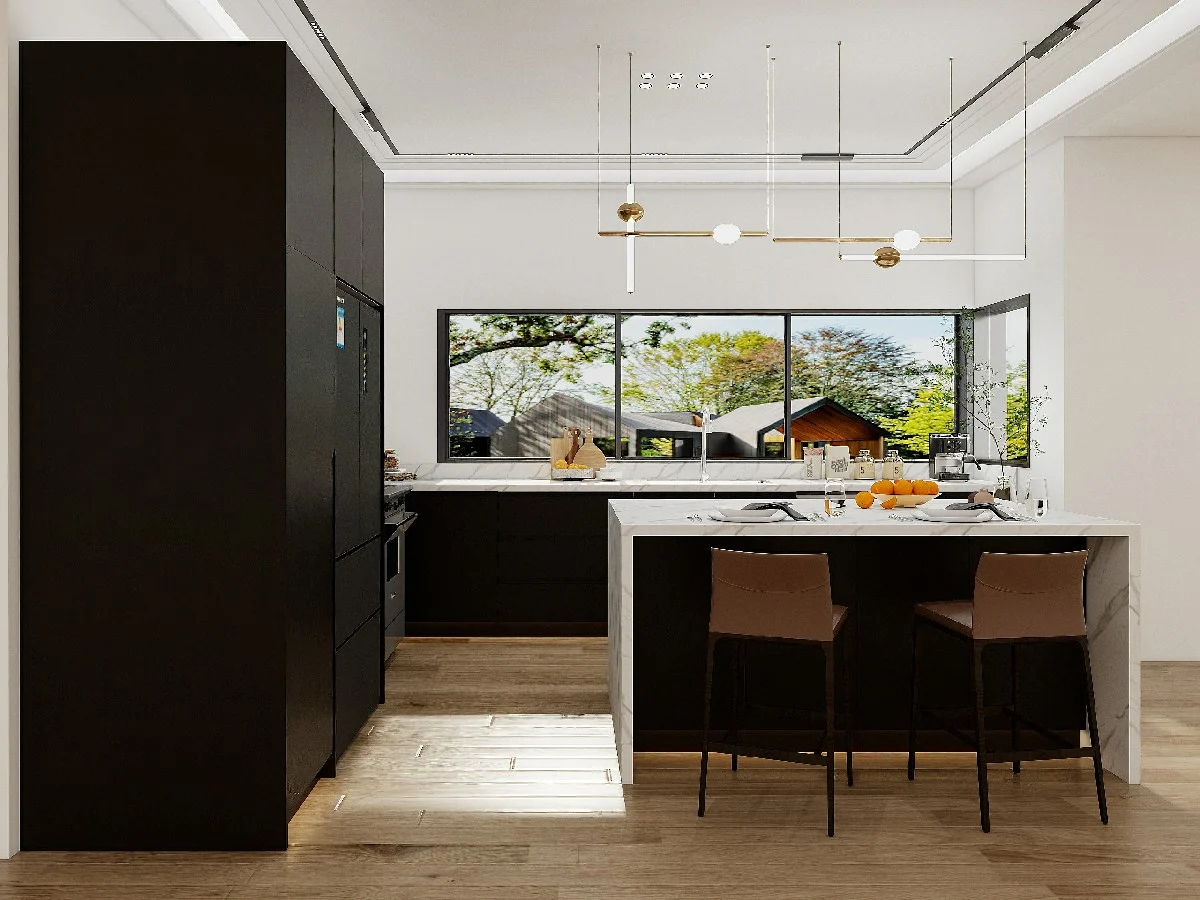
Hotel furniture is a professional furniture system designed for commercial spaces such as hotels. It surpasses the standards of civilian furniture, integrating durability, safety, functionality and design aesthetics. It is a core element in shaping the hotel brand image, enhancing the guest experience and optimizing operational efficiency.
As a hotel operator or manager, understanding the definition, characteristics, and importance of hotel furniture in hotel operations is crucial. Next, we will delve into what hotel furniture is and how it impacts your hotel design and customer experience.

What Is Hospitality Furniture?
Hotel furniture is designed and manufactured specifically for hotels, resorts, and other types of accommodations. These pieces not only need to meet the functional requirements of daily use but also reflect the hotel’s brand positioning and design style. Compared to residential furniture, hotel furniture is subject to higher usage frequency and stricter quality standards, which makes material selection, structural design, and durability key factors in its production. Hotel furniture covers all areas within the hotel, including public spaces, guest rooms, and dining areas, and is a specialized type of furniture that combines practicality, aesthetic appeal, and commercial durability.
From an industry perspective, hotel furniture is a crucial part of hotel projects, needing to be designed in harmony with the interior environment. It must directly consider the balance between functionality and aesthetics in the space. Depending on the hotel’s star rating and style, the materials, shapes, and functions of the furniture may vary. Hotel furniture not only includes movable items but also fixed furniture that is closely integrated with the building structure, together forming a complete hotel furniture system.
Key Characteristics of Hospitality Furnitures:
Durability
Built to handle heavy use, making it perfect for environments where guests come and go, such as hotel rooms, restaurants, and common areas.
Comfort
Prioritizes guest comfort, from ergonomically designed chairs to beds that ensure a restful night’s sleep.
Functionality
Furniture in hotels often serves multiple functions, such as modular furniture that can be reconfigured for different types of events or spaces.
Aesthetic Appeal
Hotel furniture is designed to align with the overall theme and ambiance of the hotel, creating an immersive experience for guests.
Why Is Hospitality Furniture Important for Hotels?
When you think about what makes a hotel memorable, furniture might not be the first thing that comes to mind. But the truth is, hospitality furniture plays a vital role in shaping the guest experience and the overall success of a hotel.

1. Enhancing Guest Comfort
Furniture is the hotel element guests interact with most frequently, directly impacting their comfort. An ergonomic desk, a supportive mattress, and even a well-organized wardrobe can significantly enhance a guest’s experience. Research shows that 38% of a guest’s first impression of a hotel comes from the visual environment of the guest room, and furniture is a core component of this environment. High-quality beds and linens contribute to a better sleep experience, a crucial indicator for guest evaluations of hotels.
2. Reflecting Your Hotel’s Brand and Style
Furniture style and quality directly convey a hotel’s brand image. Whether it’s the refined elegance of a luxury hotel, the minimalist efficiency of a business hotel, or the natural relaxation of a resort, furniture design is essential for embodying these qualities. A consistent design language helps establish brand recognition, allowing guests to experience brand continuity through familiar furniture environments across different destinations. For example, using bespoke wooden cabinetry or elegant bathroom vanities can help elevate the aesthetics of the space while staying true to the hotel’s visual identity.
3. Maximizing Space and Functionality
Hotel rooms and public areas often have limited space, so functional furniture is key to making the most of the available area. Multi-functional furniture—like a sofa bed, fold-out desks, or modular storage systems—can help save space while also offering flexibility for different types of guests. In common areas, furniture like modular seating allows for easy reconfiguration for events or large groups. By incorporating furniture that maximizes both space and functionality, hotels can offer a better overall experience without feeling cramped or overcrowded.
4. Impact Operational Efficiency and Maintenance Costs
Hotel furniture directly impacts a hotel’s long-term operating costs. Well-built commercial-grade hotel furniture significantly reduces replacement frequency and repair costs. Choosing wear-resistant boards, stain-resistant fabrics, and sturdy hardware, while requiring a higher initial investment, can reduce customer complaints and frequent replacement costs due to furniture damage. Furthermore, well-designed furniture also improves the efficiency of cleaning staff and shortens room cleaning time.
5. Safety and Sustainability
Hotel furniture must meet stringent safety standards, including fire resistance, structural stability, and environmentally friendly materials. Particularly in terms of fire resistance, hotel furniture needs to use flame-retardant materials to reduce fire risk and ensure guest safety. Eco-friendly materials and sustainable manufacturing processes are becoming increasingly important to both guests and hotel owners. Choosing green-certified furniture helps your hotel reduce its environmental impact. Whether it’s choosing low-VOC finishes, using recycled materials, or selecting furniture from manufacturers who are committed to environmental stewardship, sustainability is a key element in modern hotel furniture selection.
What Are the Key Furniture Categories in Hotels?
Hotel furniture can be classified in several ways based on its function, location, and characteristics. According to its usage area and function, hotel furniture can be mainly divided into the following categories:
Main Categories of Hotel Furniture Chart
| Category | Typical Products | Key Features |
|---|---|---|
| Guestroom Furniture | Beds, headboards, wardrobes, writing desks, lounge chairs, coffee tables, vanities | Designed for comfort and daily use; supports all basic guest needs |
| Public Area Furniture | Lobby sofas, reception desks, lounge tables, waiting chairs | Represents hotel image; strong visual impact and high durability |
| Dining Area Furniture | Dining tables, dining chairs, bar counters, café tables | Stain-resistant, durable, easy to clean; suitable for different dining concepts |
| Fixed Furniture & Built-ins | Doors, windows, door frames, headboard wall panels, skirting boards, curtain boxes, built-in wardrobes, minibar cabinets, bathroom vanities | Highly customized; integrated with building structure; improves space efficiency |
Movable Furniture (Loose Furniture)
Movable furniture refers to all non-fixed items in a hotel that can be rearranged or replaced as needed. These pieces create flexibility in layout and are essential for guest comfort and convenience.
Sleeping Area Furniture
The hotel bed is the core of the guestroom. Its design directly affects sleep quality. Modern hotel beds consider mattress comfort, bedframe strength, and headboard design to balance beauty and function. Nightstands are essential beside the bed and often include drawers or open shelves for phones, notes, or small items.
Storage Area Furniture
Wardrobes and luggage benches are the main storage pieces in the room. Modern wardrobes are compact and efficient, often equipped with lighting, anti-slip hangers, and built-in drawers. A luggage bench provides the right height for opening suitcases without bending.
Work & Leisure Area Furniture
A desk and chair create the guestroom’s work area, and their height and size must follow ergonomic standards. Lounge chairs and coffee tables form a relaxing corner for reading or casual meetings. With the rise of flat-screen TVs, traditional TV cabinets are less common in upscale hotels, replaced by wall-mounted TVs and minimal media shelves.
Fixed Furniture
Fixed furniture refers to custom-built elements that connect directly to the building structure. These items blend seamlessly with interior design and require precise craftsmanship.
Wall System
This includes wood ceiling panels, wall cladding, and skirting boards, forming the room’s visual background. The headboard feature wall is often the focal point, using soft upholstery or special materials to enhance design quality.
Door & Window System
Doors and frames provide both function and visual transition between spaces. High-quality interior doors offer good sound insulation, protecting guest privacy. Door and window styles must match the overall hotel theme—from modern minimalism to classic luxury.
Functional Integration System
Built-in wardrobes, minibar cabinets, and storage units maximize corner space and support efficient service. The bathroom vanity is the core storage element in the bathroom and must be moisture-resistant with the right countertop height. Curtain boxes hide curtain tracks to keep the room visually clean.
Technical Integration System
Air-conditioning vents, lighting troughs, and ceiling trims integrate mechanical and electrical equipment into the millwork, maintaining a clean and cohesive look.
Cabinetry, kitchen cabinets, bathroom vanities, interior doors, and window systems are essential parts of hotel fixed furniture. These elements support daily hotel operations while expressing the hotel’s design identity. Well-designed and properly installed fixed furniture creates stronger spatial coherence and elevates the overall quality of the hotel environment.
How Do I Choose the Right Hotel Furniture Supplier?
Choosing the right hotel furniture supplier is essential for ensuring smooth project delivery, consistent quality, and an on-time hotel opening. Here are the key factors that investors, hotel owners, and contractors should evaluate.

1. Check Their Industry Experience
Start by confirming whether the supplier truly understands the hospitality sector.
A professional hospitality furniture supplier knows hotel operations, durability requirements, maintenance challenges, and guest-use standards.
Review their completed hotel projects and ensure they match your brand level, design style, and project scale. Certifications like ISO 9001 also help demonstrate professionalism and reliability.
2. Review Their Quality Control System
High-quality hotel furniture requires stable materials and precise craftsmanship.
A trustworthy supplier should have clear standards for material selection, structural strength, finishing quality, and sustainability.
Request material reports, durability test results, colorfastness data, and fire-safety compliance.
Hotel furniture is used intensively every day—strong quality control is non-negotiable.
3. Evaluate Customization and Engineering Ability
Most hotel projects require at least some level of customization—from wardrobes and minibar cabinets to bathroom vanities, headboard systems, and interior doors.
A reliable supplier should collaborate closely with your design team and provide shop drawings, samples, engineering feedback, and installation-ready details.
Confirm whether they can handle design changes, solve on-site challenges, and produce custom dimensions without delays.
4. Prioritize Their Delivery Capability
Delivery capability is often the single most important factor for hotel developers. A delayed delivery can directly affect the hotel’s opening date and overall investment return.
Strong suppliers typically have:
Stable production systems with automated equipment and structured workflows
Professional packaging standards to prevent damage during international shipping
Reliable logistics management, including sea freight, air freight, and customs handling
Installation support, especially for fixed furniture and millwork that require professional assembly
A supplier with proven delivery capability can turn drawings into fully finished, ready-to-inspect rooms—on schedule and without chaos.
5. Look at Their After-Sales Service
Hotel furniture must remain functional for years, so after-sales service is just as important as the initial delivery.
Check the supplier’s warranty terms, spare-parts support, and response time.
A dependable partner provides continuous service, making future renovations or replacements much easier.
Where to Buy Hotel Furniture?
Choosing where to buy hotel furniture depends on your project size, customization needs, and budget. Here are the most common and reliable channels used by hotels, developers, and contractors.

1. Buy Directly from Hotel Furniture Manufacturers
Purchasing directly from hotel furniture manufacturers is often the most cost-effective option, especially for large projects.
Manufacturers offer:
- Factory-direct pricing
- Full customization
- Stable production capacity
- Complete solutions, including millwork, wardrobes, vanities, and doors
This option is ideal for new hotels, resorts, serviced apartments, and turnkey developments.
2. Local Hotel Furniture Suppliers, Dealers, and Wholesalers
Local hotel furniture suppliers and wholesalers offer quicker communication, easier site visits, and potentially faster delivery. They are suitable for mid-scale hotels, boutique properties, or projects requiring quick replacements.
However, customization is limited, and product range may be standard rather than premium.
3. Explore Hotel Furniture Liquidation or Surplus Stores
Many hotels remodel every 5–7 years, creating a large supply of used hotel furniture, often in good condition.
Liquidation stores offer beds, nightstands, chairs, sofas, or TV units at affordable prices.
This option works well for rental units, small hotels, and operators with limited budgets
Search examples:
hotel furniture surplus, hotel furniture outlet, hotel used furniture near me
4. Work with Full Fit-Out Contractors
Large hotel developments often work with fit-out contractors who manage the entire interior scope, including furniture, millwork, doors, and installation. They coordinate with MEP, designers, and consultants, reducing risk and improving timeline control.
5. Overseas Manufacturers (China, Indonesia, Vietnam)
Many international hotels source from overseas due to:
- Lower cost
- Strong engineering and customization
- Scalable capacity
- Faster production
- One-stop solutions including doors, cabinets, and millwork
This option is especially popular in the Middle East, Europe.
Summary Comparison
| Option | Cost | Customization | Lead Time | Best For |
|---|---|---|---|---|
| Local suppliers | Medium–High | Low–Medium | Fast | Boutique hotels |
| Wholesalers | Low | Low | Very Fast | Budget hotels |
| Liquidation stores | Very Low | None | Fast | Rentals / small hotels |
| Direct manufacturers | Low | High | Medium | Resorts / new builds |
| Overseas manufacturers | Low | High | Medium | International developers |
| Fit-out contractors | Medium | High | Medium | Turnkey projects |
Choose PA Home as Your Hotel Construction Partner

Many international hotels prefer PA Home because the company provides a reliable, cost-efficient, and fully integrated solution for hospitality projects. With factories in Saudi Arabia, Dubai, Indonesia, and China, PA Home offers stable production capacity and localized support, helping projects reduce lead times and logistics risks.
PA Home delivers complete hotel room packages, including wardrobes, minibar cabinets, bathroom vanities, loose furniture, interior doors, aluminum windows, and fixed millwork. Developers value the ability to source everything from one partner, ensuring consistent design and faster coordination.

What sets PA Home apart is its proven delivery capability, one of the most important factors for hotel owners and investors.
PA Home supports timely delivery through:
Industry 4.0 automated production lines ensuring stable output and consistent quality
Structured project management systems with clear milestones and weekly progress tracking
A global export team experienced in shipping to the Middle East, Australia, North America, and Europe.
Professional packaging and loading supervision to minimize transport damage
On-site installation guidance for millwork and fixed furniture, ensuring smooth final delivery
Local factory support in key markets to shorten lead time and reduce logistics risk
This comprehensive delivery system allows PA Home to handle large-volume hospitality orders while meeting strict handover deadlines—something highly valued by developers operating under opening-date pressure.
With over 42,000 completed projects worldwide, PA Home has a strong track record in hotels, serviced apartments, and mixed-use developments. Clients trust PA Home for high customization capability, commercial-grade durability, compliance with fire and environmental standards, and competitive factory-direct pricing made possible by its multi-country manufacturing network.
For hotels seeking a dependable, one-stop partner that can design, produce, deliver, and support complete hospitality furniture packages, PA Home offers a reliable and efficient solution that reduces project risk and enhances overall guest experience.
Partner with PA Home and bring your hospitality vision to life—crafted with precision, delivered with confidence.
FAQs About Hotel Furnitures
Hospitality furniture is built for commercial use. It must withstand heavy traffic, frequent cleaning, and long-term wear. Unlike residential furniture, it follows strict durability, fire-safety, and environmental standards required for hotels, resorts, and serviced apartments.
High-quality hospitality furniture can last 7–10 years or longer, depending on usage and maintenance. Commercial-grade materials, strong joinery, and proper installation significantly extend its lifespan.
The key factors include durability, material quality, customization capability, compliance with fire and safety standards, delivery reliability, and after-sales support. Hotels should also consider how well the furniture supports the brand’s design concept and guest experience.
Lead times vary by project size, but most manufacturers need 30–60 days for production, plus 10–35 days for shipping depending on location. Hotels should work with suppliers who have clear schedules, automated production, and strong export experience to avoid delays.
Hotels source furniture from a mix of direct manufacturers, overseas factories (China, Indonesia, Vietnam), local suppliers, wholesalers, and hospitality fit-out contractors. Many developers choose overseas manufacturers for better pricing, customization, and full-room solutions.
You can buy hotel furniture wholesale directly from hospitality furniture manufacturers, overseas factories in China, Indonesia, or Vietnam, and large hotel furniture distributors. Many hotels also source wholesale items from hotel liquidation outlets, especially after renovations. For full-room packages and bulk orders, working directly with manufacturers or fit-out contractors ensures better pricing, stronger customization options, and more reliable delivery timelines.