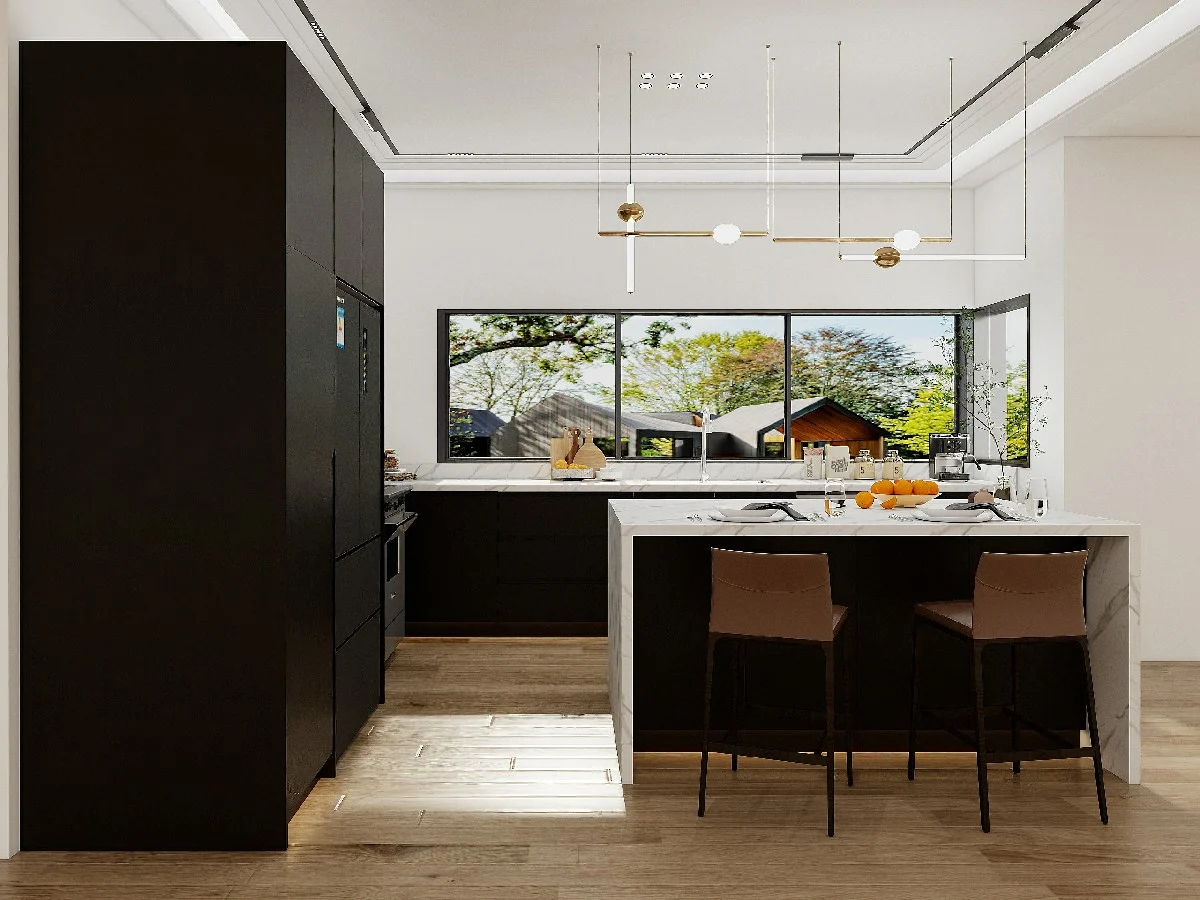
Standard kitchen windows do a good job of bringing in light, but they aren’t always designed for plants or added functionality. A greenhouse window is often presented as an alternative, especially in kitchen spaces. To decide whether it’s a practical upgrade or simply a design feature, it helps to start with a clear understanding of what a greenhouse window really is.
What Is a Greenhouse Window?
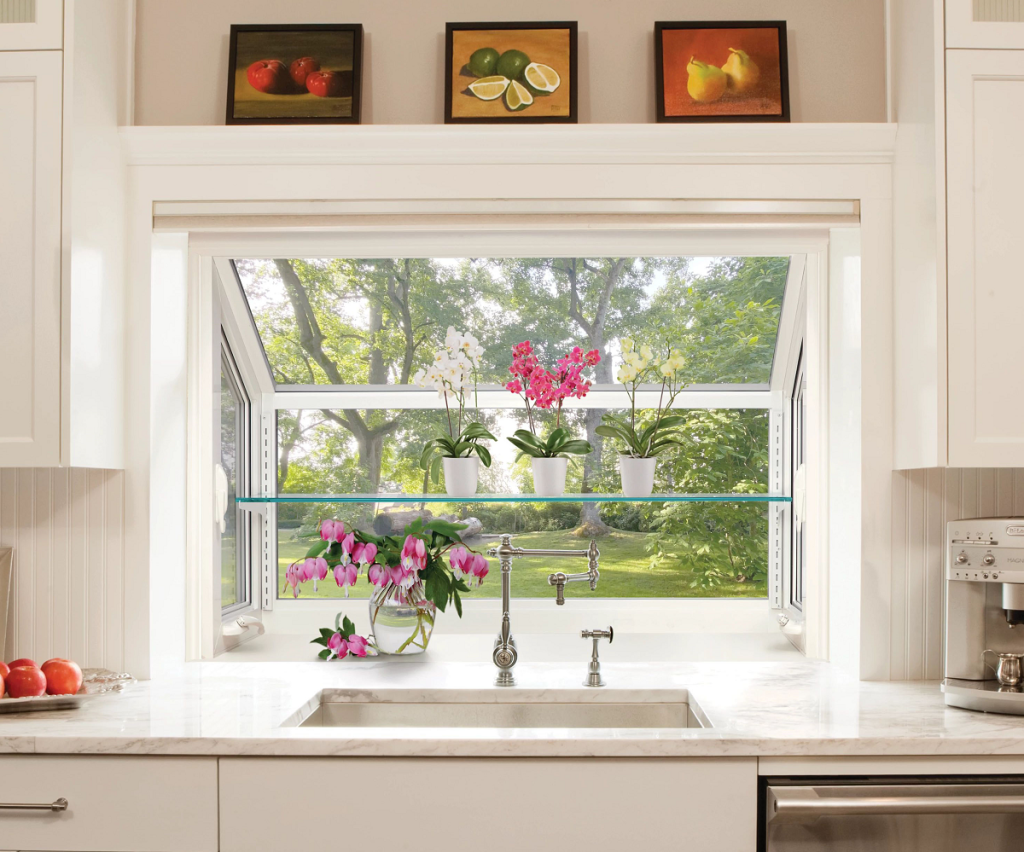
A greenhouse window is a window unit that projects outward from the exterior wall, forming a small glass enclosure rather than sitting flush like standard kitchen windows. Its defining feature is that light can enter from multiple sides, not just the front, creating a brighter and more open interior zone.
Unlike flat window designs, a greenhouse window usually includes a built-in shelf area inside the frame. This makes it especially popular in kitchens, where homeowners want additional daylight and a functional spot for plants or everyday items. While it looks decorative, a greenhouse window is still a fully sealed, permanently installed window—not a temporary structure or add-on.
From a design perspective, greenhouse windows sit somewhere between a traditional window and a compact sunspace. They are typically fixed in position, though some designs may include small operable side panels for ventilation. Understanding this basic structure helps clarify where greenhouse windows make sense—and where they don’t.

Greenhouse Window vs Garden Window
The terms greenhouse window and garden window are often used interchangeably, but they don’t always mean the same thing.
In most residential window catalogs, garden window is the standardized product name. It refers to a specific window type with defined dimensions, frame systems, and installation methods. Greenhouse window, on the other hand, is a broader, more descriptive term that emphasizes the light-filled, plant-friendly function rather than a strict product classification.
In practical terms, many greenhouse windows used in kitchens are actually garden windows by definition. The difference matters most when comparing products, requesting quotes, or reviewing technical specifications—where using the correct term avoids confusion.
How Much Does a Greenhouse Window Cost?
The cost of a greenhouse kitchen window is usually higher than that of standard windows, mainly because of its structure and materials. On average, homeowners can expect prices to range from mid-hundreds to several thousand dollars, depending on size, frame material, and glass configuration.
Smaller, prefabricated greenhouse windows designed for kitchens tend to sit at the lower end of the range. Larger units, custom dimensions, or upgraded glazing—such as double or triple glass with better insulation—will push the price higher. Installation also plays a role, as greenhouse windows extend outward and often require additional structural support compared to flat window replacements.
It’s also worth noting that the price difference between products can be significant even when they look similar. Factors like frame quality, sealing performance, and glass thickness directly affect long-term durability and energy performance, not just the upfront cost. Understanding these variables early makes it easier to judge whether a greenhouse window fits both your budget and your expectations.
What Are the Pros and Cons of Greenhouse Windows?
Greenhouse windows offer a unique mix of visual appeal and everyday function, but they are not suitable for every home or situation. Understanding both the advantages and limitations helps set realistic expectations before making a decision.
Advantages of Greenhouse Windows
Enhanced natural light from multiple angles, not just the front
Built-in usable space for plants, herbs, or small items
No interior space loss, as the window projects outward
Adds visual depth to both interior and exterior walls
Well-suited for kitchens, especially above sinks or counters
Disadvantages of Greenhouse Windows
Higher cost compared to flat window styles
Energy performance varies depending on glass and sealing quality
Limited ventilation in most designs
Installation requires structural support and exterior clearance
Not ideal for privacy-sensitive areas or street-facing walls
Are Greenhouse Windows Energy Efficient?
Greenhouse windows can be energy efficient, but their performance depends far more on construction quality than on the window style itself. Glass type, frame insulation, and sealing details all play a critical role.
Key Factors That Affect Energy Efficiency
Glass configuration
Double- or triple-pane insulated glass performs significantly better than single-pane options, especially in cold or hot climates.Low-E coatings
Low-emissivity glass helps reduce heat transfer while still allowing natural light to pass through.Frame material and insulation
Well-insulated frames reduce thermal bridging and improve overall performance.Sealing and installation quality
Poor sealing can lead to air leakage and condensation, regardless of how good the glass is.Climate and orientation
Sun exposure and local climate conditions strongly influence real-world energy performance.
In short, a greenhouse window can perform well in terms of energy efficiency—but only when it’s properly specified and installed for the environment it’s used in.
Is a Greenhouse Window Worth It for Your Home?
Whether a greenhouse window is worth it depends on how well it fits your space, habits, and expectations. It tends to be a good investment when function and placement align, and a poor choice when it’s treated as a purely decorative upgrade.
A greenhouse window is usually worth considering if you want more daylight in a frequently used area, plan to use the built-in shelf space regularly, and can install it on a suitable exterior wall—most commonly in the kitchen. In these cases, the added light and usability often justify the higher cost.
On the other hand, it may not be worth it if energy efficiency is your top priority but budget limits you to basic glass options, if the window faces a street or neighboring property where privacy matters, or if the space doesn’t allow easy access for everyday use. In those situations, a flat window or another window type may deliver better overall value.
In short, a greenhouse window works best when it solves a specific need. When chosen for the right location and specified correctly, it can be a practical upgrade. When added without clear purpose, it can feel unnecessary.
What Should You Check Before Buying a Greenhouse Window?
Before purchasing a greenhouse window, it’s important to look beyond appearance and focus on practical details that affect performance and long-term use. A quick check of the points below can help avoid common mistakes.

Key Things to Check
Wall structure and load capacity
The exterior wall must support the outward projection without compromising stability.Available exterior clearance
Make sure there’s enough space outside for the window to extend without obstruction.Glass type and insulation level
Double or triple glazing, Low-E coatings, and proper spacing matter more than style.Frame material and sealing quality
Poor seals can lead to air leakage or condensation, especially in kitchens.Ventilation needs
Most greenhouse windows are fixed; confirm whether limited operable panels are sufficient.Maintenance and cleaning access
Exterior glass and internal corners should be easy to reach and maintain.Local climate and orientation
Sun exposure and temperature swings will affect comfort and energy performance.
Checking these factors early helps ensure the greenhouse window you choose performs as expected—not just on day one, but over time.
Where to Buy Greenhouse Windows?
Greenhouse windows are available through several channels, including local window suppliers, home improvement retailers, and custom window manufacturers. Prefabricated options can work for standard kitchen layouts, while custom solutions are often better for projects with specific size, performance, or design requirements.
If your project requires tailored dimensions or closer coordination with other window systems, working with an experienced manufacturer like PA Home can help ensure the greenhouse window is properly matched to your space. You can contact the PA Home team to explore suitable options and receive professional support for your project.
FAQs about Greenhouse Windows
Most greenhouse windows are fixed. Some models include small operable side vents for limited ventilation.
Most greenhouse windows are fixed units, but some designs include small operable side vents. These openers usually work through a manual crank, sliding latch, or hinged mechanism, allowing limited airflow without opening the main window. Their purpose is ventilation rather than full access, which helps release heat while keeping the structure sealed.
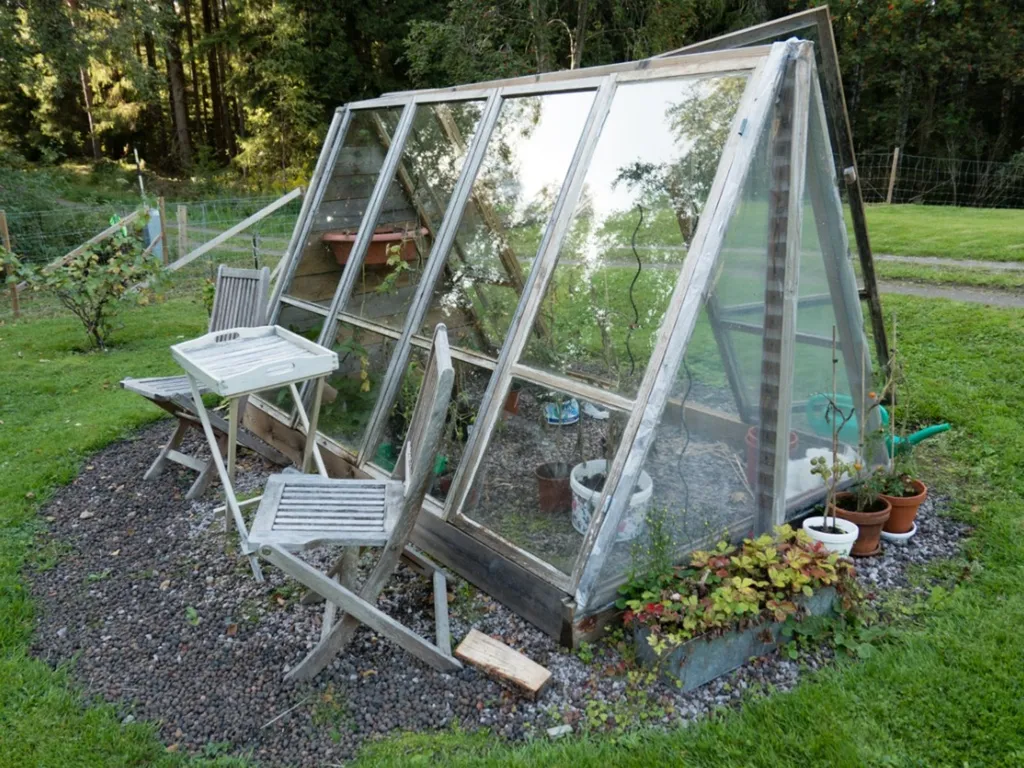
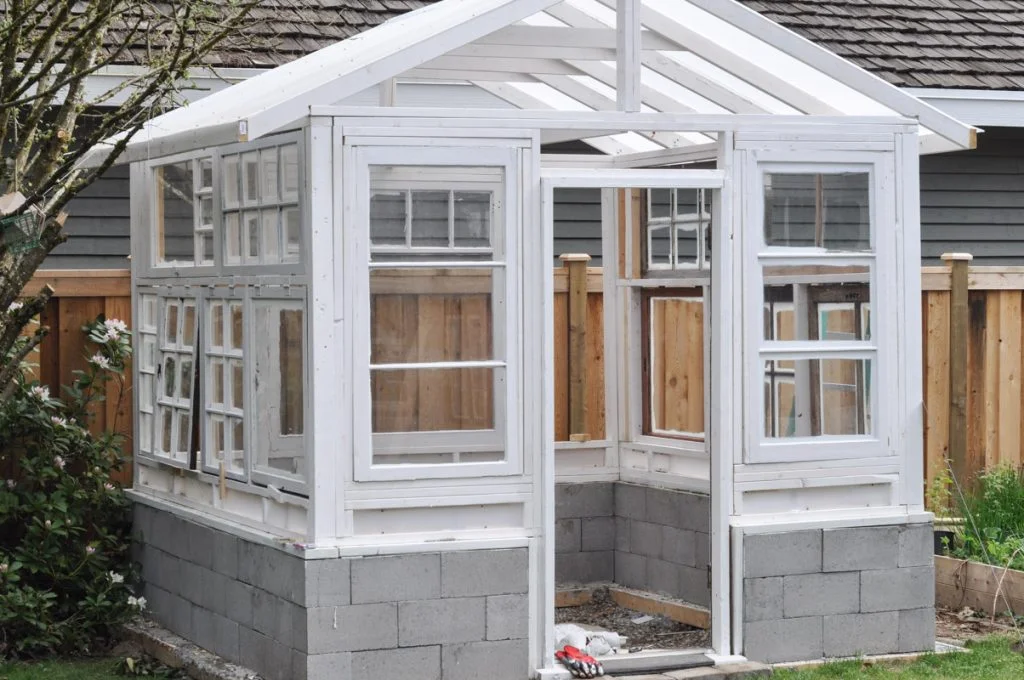
A greenhouse made from old windows is typically a DIY structure, not a window installation. It involves collecting similar-sized old windows, building a supporting frame, and sealing gaps to protect against weather. While this approach can be cost-effective, it requires careful planning and is better suited for outdoor garden projects rather than home window replacement.
Maintenance is moderate. Interior surfaces are easy to reach, but exterior glass may require periodic cleaning.
No. Greenhouse windows are still used today, especially in kitchens, but modern versions focus more on performance and clean lines than decoration.
With quality materials and correct installation, greenhouse windows can last as long as other residential windows.