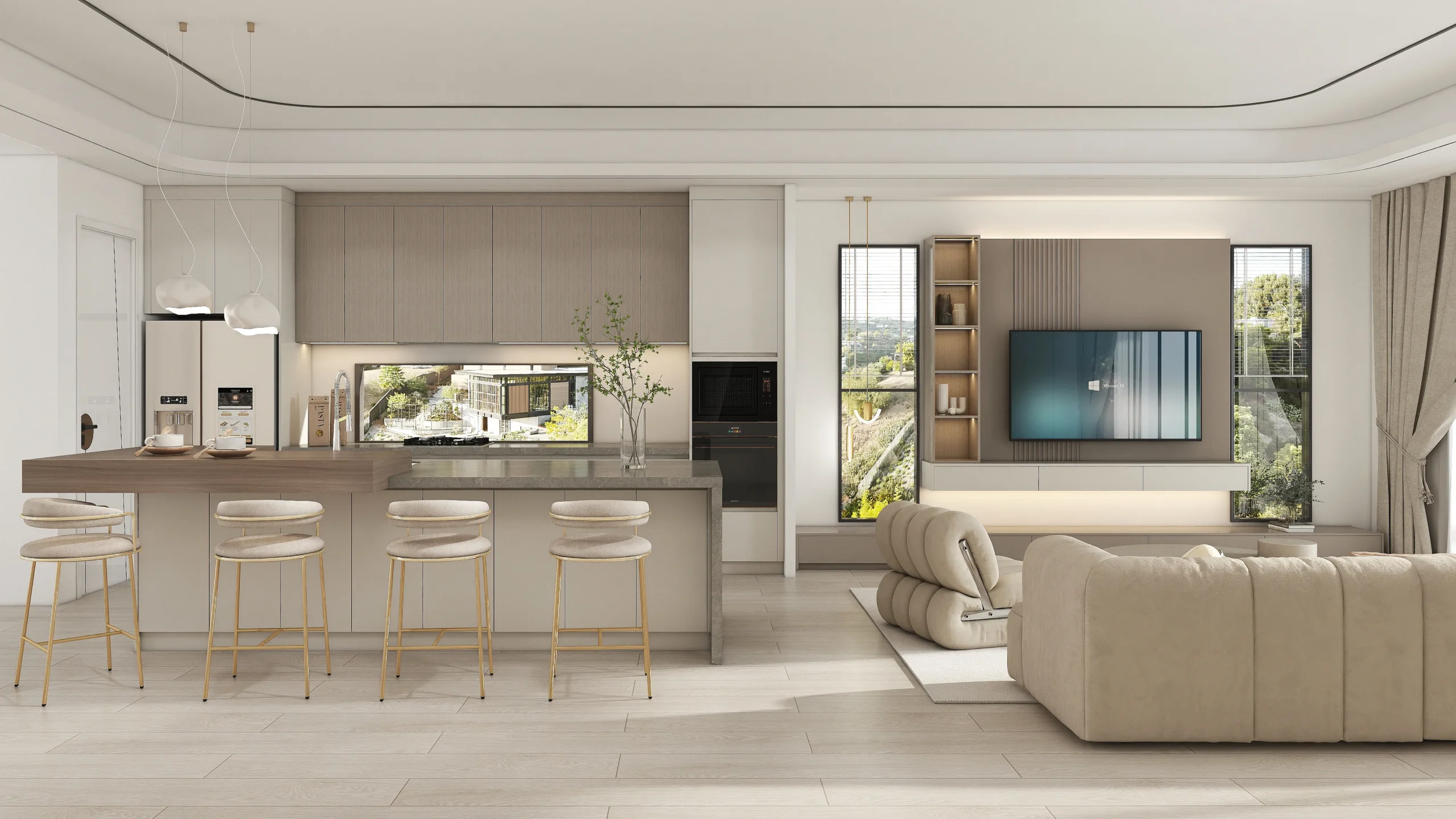
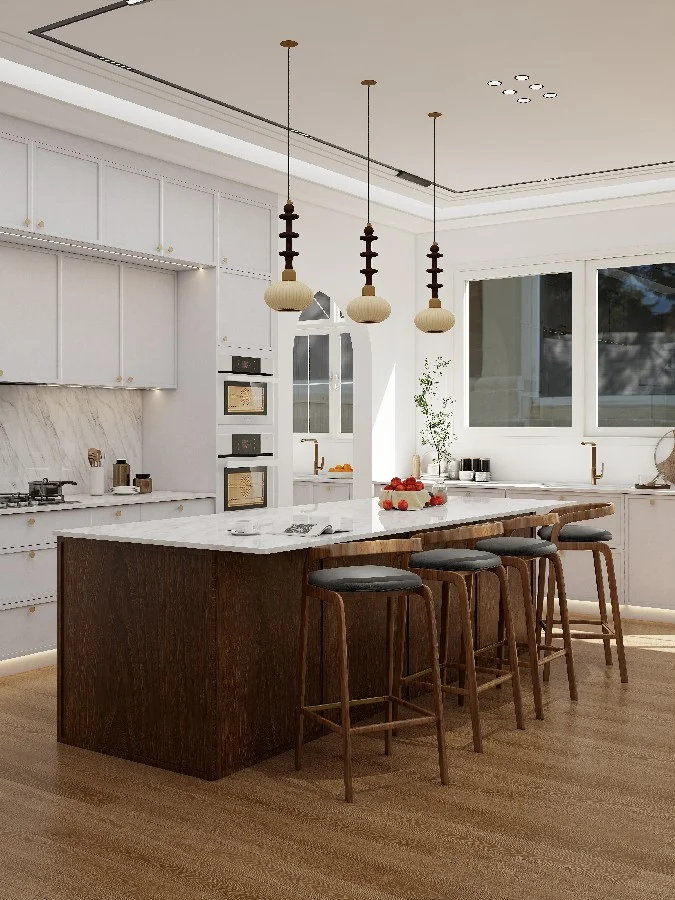
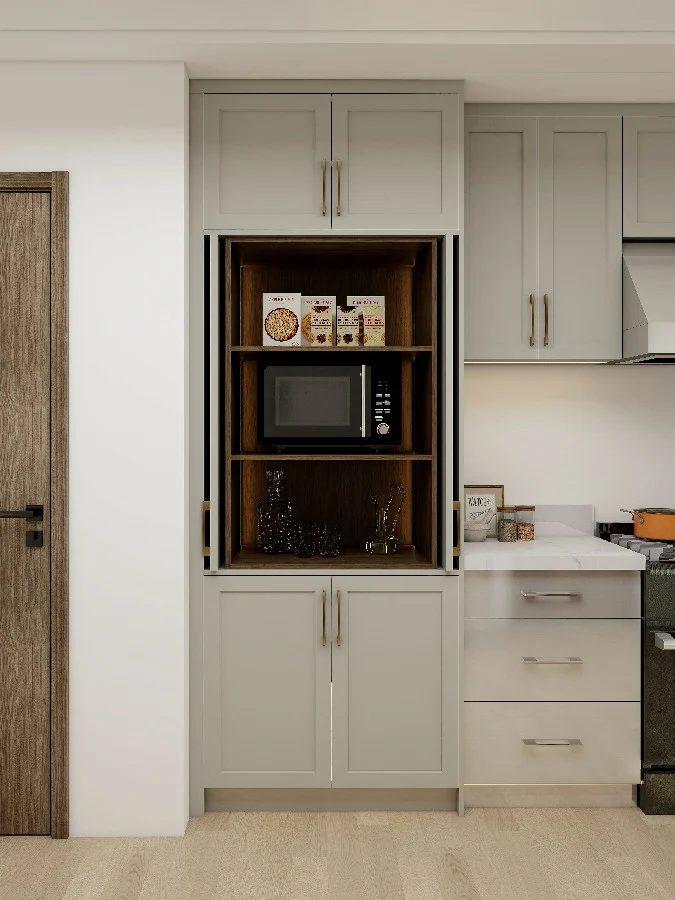
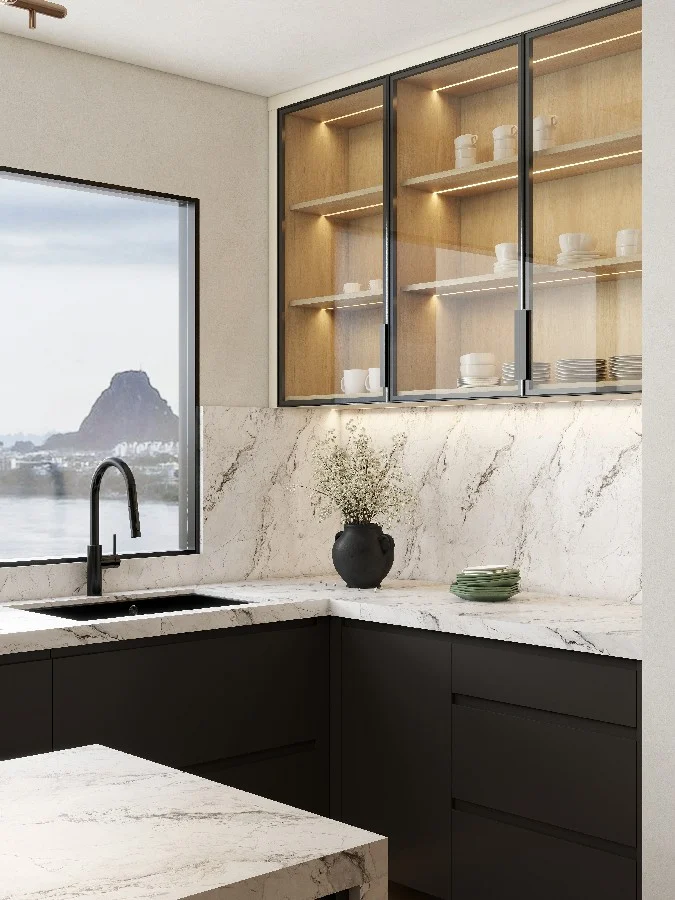
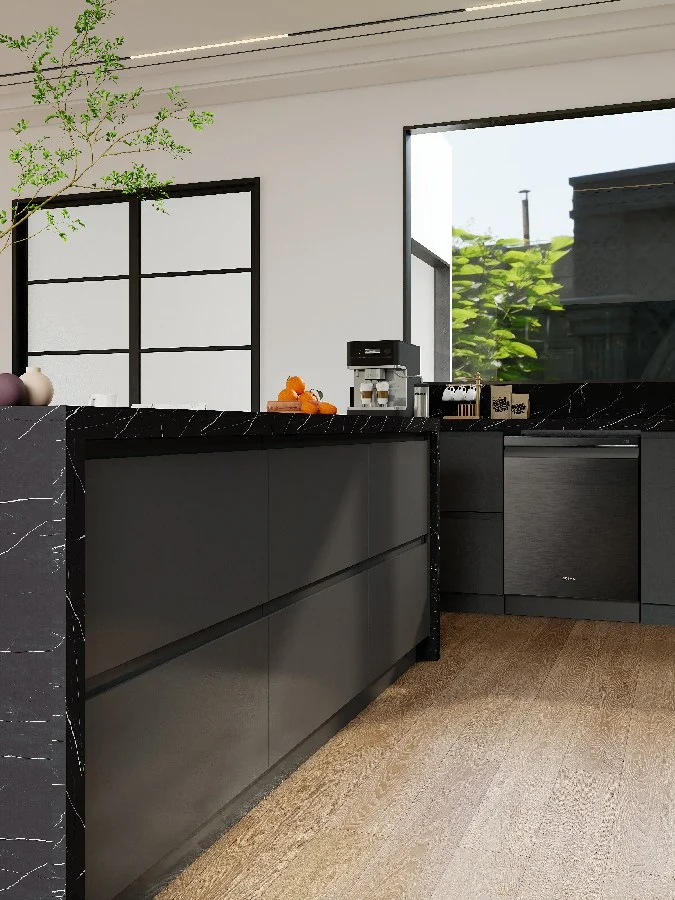
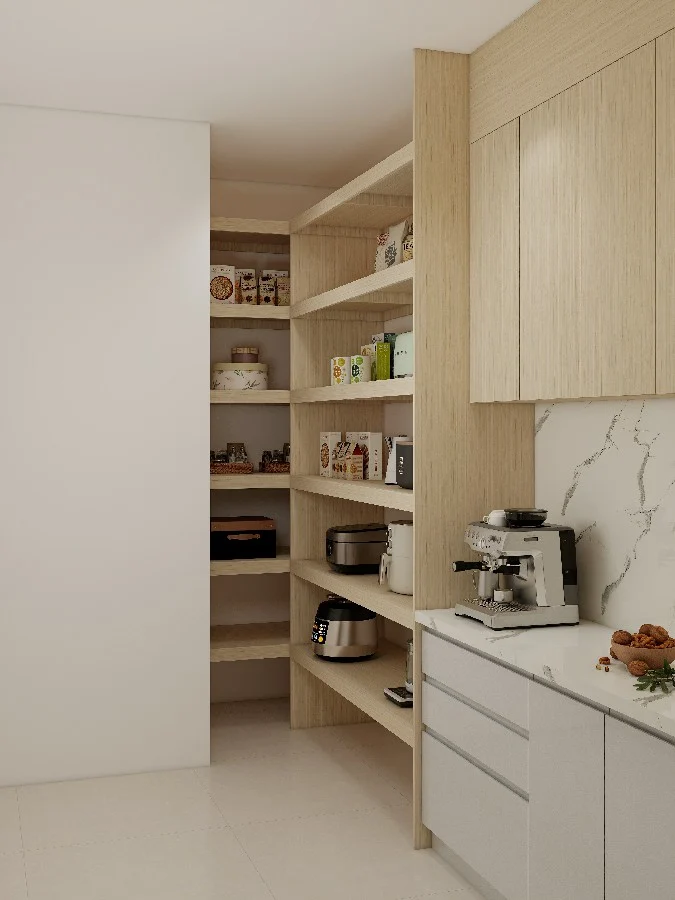
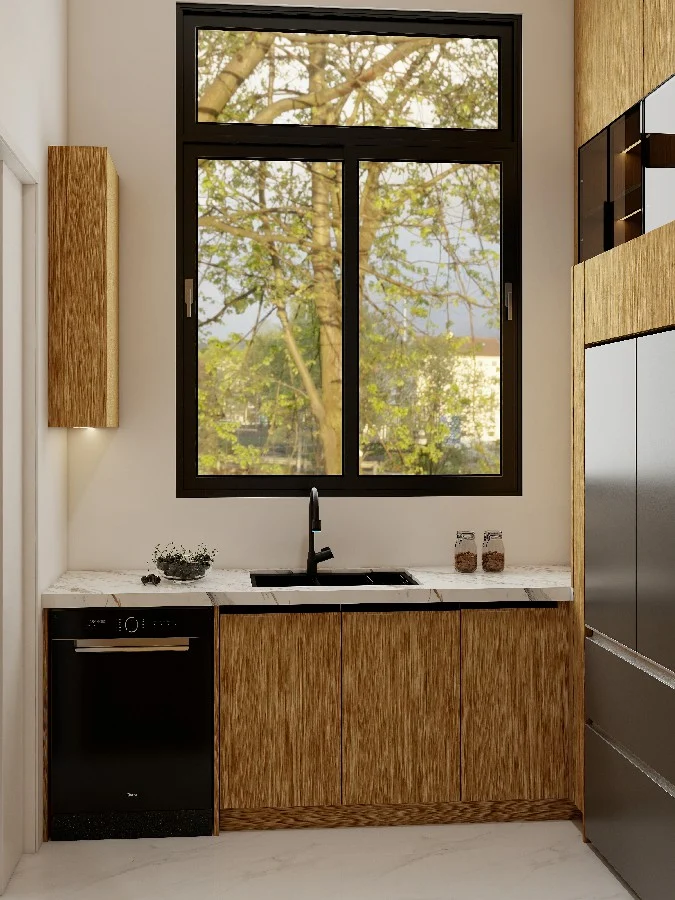
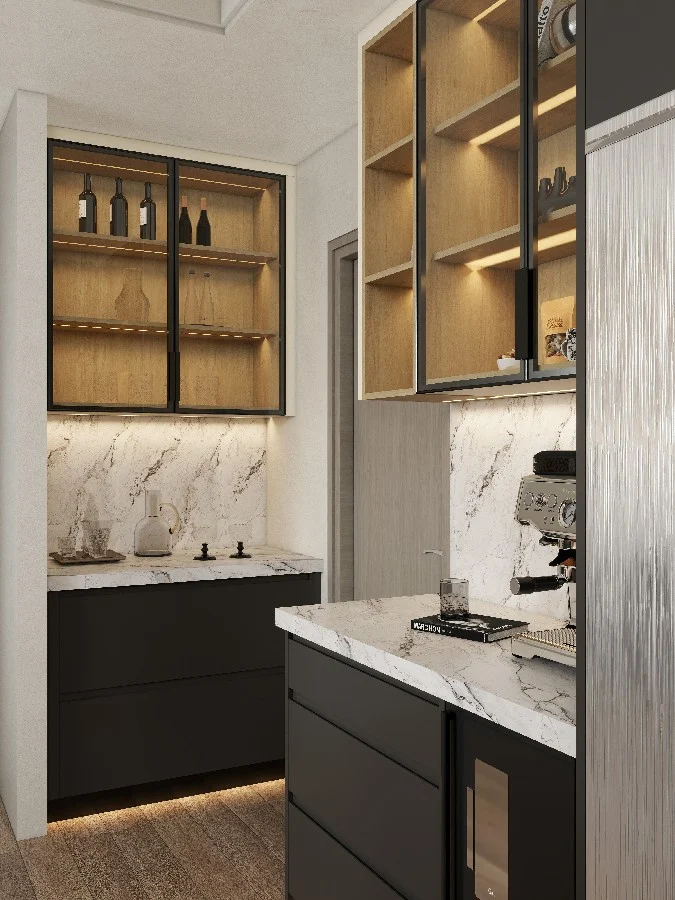
Chinese kitchens have changed noticeably in recent years. Clean-lined cabinetry remains popular, but warmer wood tones, softer colors, natural textures, and more personalized styles are becoming increasingly common.
Today, Chinese Kitchen Designs range from modern minimalist and natural wood kitchens to New Chinese, French-inspired, mid-century, and luxury interiors. At the same time, good Chinese Kitchen Design is not only about appearance—it also needs to consider storage, appliance integration, ventilation, and the way Chinese families actually cook.
Here are 10 kitchen styles that have been shaping homes in China in recent years and remain highly relevant in 2026.
What Is Changing in Chinese Kitchen Design?
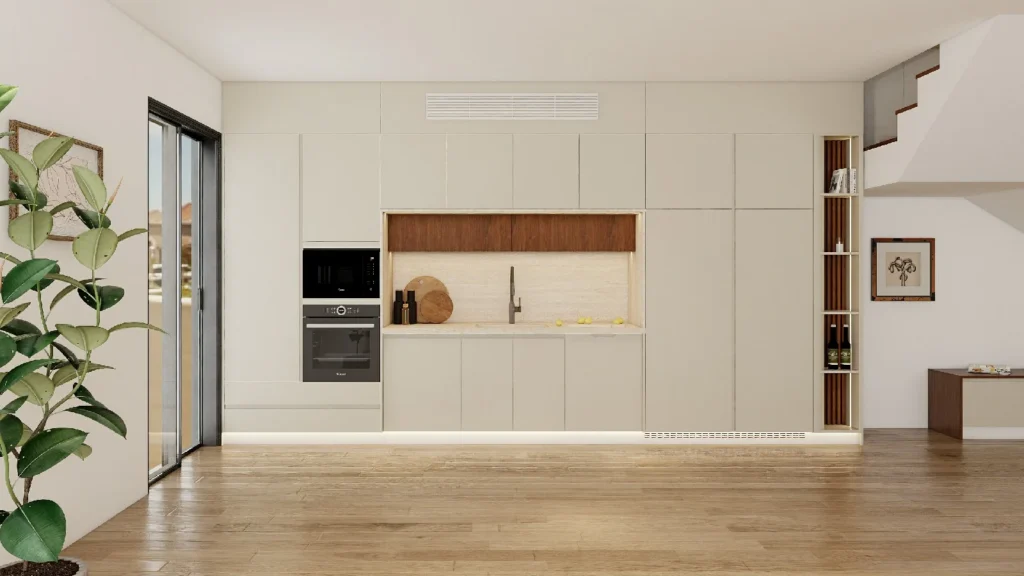
One of the most interesting changes is that the kitchen is becoming less isolated from the rest of the home.
Open kitchens, islands, dining-kitchen combinations, and more social layouts are increasingly visible, particularly in newer apartments and homes designed for younger families. At the same time, Chinese cooking can generate considerable heat, steam, and cooking fumes, so fully open layouts are not always practical. This has encouraged hybrid solutions such as glass sliding doors, semi-open kitchens, stronger ventilation systems, and layouts that can switch between open and enclosed modes.
Cabinetry is changing as well. Instead of treating appliances, storage, lighting, countertops, and cabinets as separate pieces, designers are increasingly trying to make the whole kitchen read as one coordinated system.
The visual result is cleaner. The functional result can be much better.
Here are ten styles that show how this is taking shape.
1
Modern Minimalist Kitchen

Modern minimalism is one of the most widely used styles in contemporary Chinese homes, especially in urban apartments where clean visuals and efficient use of space matter.
At its core, the style is about removing unnecessary decoration. Cabinet lines are kept sharp and simple, colors are restrained—often built around white, gray, black, or warm neutrals—and visual clutter is reduced as much as possible.
Flat-panel or handleless cabinet doors are common, along with recessed pulls, slim metal profiles, and modern materials such as sintered stone and matte finishes. Integrated appliances also help maintain a continuous, uncluttered look.
That does not mean a minimalist kitchen has to feel cold. Warm white cabinetry can be paired with light oak, while taupe or soft gray cabinets work well with subtle stone countertops. These combinations keep the space calm while adding enough warmth and texture to feel comfortable.
The idea is simple: less decoration, clearer lines, and more purposeful function. When done well, a modern minimalist kitchen feels spacious, organized, and easy to live with rather than merely sparse.
2
Natural Wood Kitchen

Wood has become one of the easiest ways to soften a modern kitchen, which is a representative example of the “healing” style.
Instead of the reddish or heavily lacquered timber finishes associated with some older cabinetry, newer Chinese Kitchen Designs tend to favor lighter oak tones, ash, warm walnut, or realistic wood-grain panels with a much more natural matte appearance.
The appeal is easy to understand.
Wood introduces texture without needing additional decoration. A wall of tall oak cabinetry can feel warm even when the rest of the room is extremely simple.
In smaller kitchens, designers often avoid using strong wood grain on every surface. One effective combination is wood-grain base cabinets with plain upper cabinets. Another is to concentrate the wood finish on a tall pantry wall or island while keeping the remaining cabinetry neutral.
For a quieter look, choose low-contrast grain.
For something richer, walnut works beautifully with warm gray, bronze, charcoal, or off-white.
Natural wood kitchens also pair particularly well with integrated lighting. A warm LED strip beneath the upper cabinets can reveal the texture of the doors while improving task lighting at the countertop.
This is a style that looks relaxed, but the details still need discipline. Too many different wood tones can quickly make a kitchen feel fragmented.
3
Creamy Neutral Kitchen

Cream style can be seen as a softer evolution of the natural wood look. It keeps the warmth and calmness of wood-based interiors, but introduces a lighter, more delicate palette built around oatmeal, milky white, beige, almond, and other low-saturation warm tones.
In recent years, this style has moved well beyond bedrooms and living rooms and into kitchens, where it offers a warmer alternative to classic white cabinetry. Its soft colors, rounded details, and cozy atmosphere have made it particularly appealing to female homeowners and consumers who prefer a gentler, more relaxed interior.
Material choices also play an important role. Matte or soft-sheen finishes, microcement, light wood, warm-toned tiles, and occasional rattan details help create the soft, tactile character associated with this style.
The main appeal is atmosphere. Bright white cabinets can sometimes feel cold under artificial lighting, while warmer neutrals reflect light more gently and make the kitchen feel more inviting. This works especially well in open-plan homes where the kitchen connects directly with the dining or living area.
The best creamy neutral kitchens feel warm, light, and comfortable—soft and refined without becoming overly decorative.
4
New Chinese Style Kitchen

This is the style most directly connected with contemporary Chinese cultural aesthetics.
A New Chinese Style Kitchen does not try to recreate a traditional historical kitchen. Instead, it borrows selected elements from Chinese design—proportion, symmetry, timber, screens, restrained ornament, dark accents, and the use of negative space—and translates them into modern cabinetry.
That distinction matters.
Traditional Chinese interiors can be visually rich and heavily detailed. New Chinese design is usually much quieter.
A kitchen might use walnut or dark oak cabinets with slim vertical detailing, for example, but pair them with flat stone countertops and modern built-in appliances. A glass cabinet could reference the rhythm of a traditional lattice without literally reproducing an antique pattern.
Color can also do some of the cultural work.
Deep brown, ink black, muted red, tea green, warm beige, and stone gray can create an unmistakably Eastern mood without relying on obvious decorative symbols.
New Chinese interiors remain an important part of the broader Chinese home market, while newer interpretations increasingly simplify the traditional language for modern living.
5
French-Inspired Kitchen

French-inspired kitchens have found a surprisingly comfortable place in contemporary Chinese interiors.
But what is popular today is usually not a highly ornate European palace look.
The more relevant version is light French style.
Cabinet doors may have a slim frame instead of elaborate moldings. Colors stay soft—cream, warm white, pale taupe, muted green—and curved transitions are often used to make the room feel more elegant.
This style works especially well when the kitchen is visible from the dining room.
A framed glass cabinet, delicate pendant lighting, warm metal hardware, or a stone backsplash can give the space just enough decorative character without making cooking and cleaning more complicated.
For cabinet manufacturers and designers, door proportions are important here.
If the frame is too wide or the detailing too deep, the cabinetry can immediately feel traditional and heavy. Narrower rails and stiles give the same idea a more contemporary appearance.
French-inspired design is therefore less about adding decoration everywhere and more about choosing a few refined details and giving them enough room to be noticed.
6
Mid-Century Modern Kitchen

Mid-century modern has become one of the more noticeable retro influences in Chinese interiors in recent years. Rooted in the modernist design of the mid-20th century, it brings a warmer and more characterful alternative to sleek contemporary kitchens.
The look is defined by rich teak and walnut tones, geometric patterns, warm earthy colors, and furniture-inspired forms. Olive green, caramel brown, cream, smoked glass, and brushed metal often appear alongside natural wood, creating a space that feels classic without looking old-fashioned.
Geometric floor or wall tiles can add a stronger retro note, while slim legs, rounded edges, and lighter furniture-like proportions help keep the overall look elegant rather than heavy.
What makes this style appealing is its sense of personality. Compared with highly minimal kitchens, a mid-century space feels more layered and lived-in, as though the materials and objects have gradually collected their own story.
The key is restraint. A few strong elements—such as walnut cabinetry, patterned tiles, or a vintage-inspired dining set—are usually enough to establish the mood without turning the kitchen into a period-style interior.
7
Modern Luxury Kitchen

Modern luxury is about making quality visible. While minimalist and natural styles tend to keep materials quiet and understated, this look is more willing to show off texture, sheen, and refined detailing.
High-gloss PET cabinet fronts, richly veined marble or marble-look slabs, metallic trims, smoked glass, and polished surfaces are commonly used to create a stronger sense of sophistication. A dramatic stone island or full-height backsplash can easily become the visual centerpiece of the kitchen.
Color palettes are often deeper and more polished, with charcoal, warm gray, dark brown, black, and rich wood tones paired with stone and metal. Lighting also plays an important role, especially inside glass cabinets, shelves, and display areas, where it helps emphasize materials and add depth.
8
Italian Minimalist Kitchen

Italian minimalism has had a strong influence on the high-end side of the Chinese custom furniture and cabinetry market. Chinese home-industry commentary has also identified Italian minimalism as an important mainstream direction in recent years.
At first glance, it can look similar to modern minimalism.
The difference is usually in the mood.
Italian-inspired kitchens tend to be darker, more architectural, and more material-focused. Large flat surfaces, precise proportions, thin metal details, smoked glass, dark timber, stone, and integrated lighting create a sophisticated but understated effect.
Instead of white, think greige, coffee brown, graphite, black oak, bronze, or muted stone.
A tall cabinet wall might combine wood veneer with dark glass. An island could use the same stone-look material on the top and sides to create a monolithic appearance.
This style benefits enormously from good manufacturing.
Poor edge finishing, inconsistent gaps, or cheap hardware become very obvious when the design itself is so restrained.
For that reason, Italian minimalist kitchens are often a good showcase for high-quality custom cabinetry: the simpler the design looks, the more precise the execution needs to be.
9
Wabi-Sabi Kitchen

Wabi-sabi has become increasingly visible in Chinese interior design as part of a broader preference for calm, tactile, and nature-inspired spaces.
Rather than pursuing a perfectly polished look, this style embraces subtle irregularity, muted colors, and materials that feel natural and understated. In the kitchen, that often means warm beige or earthy tones, textured stone, matte cabinetry, natural wood, and plaster-like surfaces.
Its appeal comes from atmosphere. Compared with glossy or highly decorative kitchens, a wabi-sabi space feels quieter and more grounded, with an emphasis on texture, light, and the natural character of materials.
The challenge is making that aesthetic work in a hardworking kitchen. A textured wall may look beautiful in a living room, but areas around the sink, cooktop, and preparation zone need to cope with moisture, grease, heat, and frequent cleaning. Designers often recreate the look of raw plaster or natural stone with more durable materials such as sintered stone, porcelain slabs, washable coatings, or engineered surfaces.
The most practical challenge is this: a wabi-sabi kitchen can look raw, but its specifications cannot be. Behind the imperfect textures, materials still need to withstand heat, moisture, grease, and everyday cleaning—something that is easy to overlook when visual effect becomes the priority.
10
Nordic-Inspired Kitchen

Nordic-inspired kitchens can be thought of as the warmer, more relaxed cousin of modern minimalism. They share the same preference for simplicity and functionality, but use brighter, softer colors and more natural elements to create a lighter, more welcoming atmosphere.
White and pale wood are usually the main characters, often joined by soft gray, muted green, or other gentle neutrals. Natural light is especially important, while plants, timber, woven textures, and simple ceramics can make the space feel less formal and more lived-in.
At the heart of the style is the Nordic idea of Hygge—a sense of comfort, warmth, and everyday ease. Rather than aiming for the perfectly controlled look of some minimalist kitchens, a Nordic-inspired space feels more casual and approachable, designed as much for enjoying daily life as for keeping the room visually clean.
This combination of simplicity and warmth makes the style particularly easy to adapt to modern homes. It feels fresh without being cold, and cozy without relying on heavy decoration.
Kitchen Style Is Only Half of a Good Chinese Kitchen

Looking at beautiful cabinet finishes is enjoyable, but choosing a kitchen purely from reference images is rarely enough.
In real projects, several practical decisions should come first.
Think about how the family cooks
A household that frequently stir-fries at high heat has different ventilation needs from someone who mostly makes coffee, salads, and simple meals.
If the client wants an open kitchen but cooks heavily, a semi-open arrangement with sliding glass doors can provide a useful compromise.
Plan storage before designing the facade
Good storage should respond to actual objects.
Where will the rice cooker go?
What about a wok, steamer, countertop appliances, dry food, cleaning products, tableware, and recycling?
Once those questions are answered, drawer sizes, tall units, appliance cabinets, and countertop space become much easier to plan.
Integrate appliances early
Refrigerators, ovens, steam ovens, dishwashers, range hoods, water systems, and small appliances all affect cabinet dimensions.
Do not design a perfect cabinet elevation first and then try to squeeze the appliances into it.
Current kitchen design is increasingly moving toward integrated storage, built-in appliances, material continuity, and kitchens that connect more naturally with surrounding living spaces.
Choose materials for real use
A surface that looks beautiful in a showroom still needs to survive daily cooking.
For cabinet doors, consider scratch resistance, fingerprint visibility, cleanability, moisture resistance, and edge quality.
For countertops, think about heat, staining, impact, seams, and maintenance.
The right material is not necessarily the most expensive one. It is the material that performs properly for the way the kitchen will actually be used.
Which Chinese Kitchen Style Should You Choose?

There is no single style that defines every modern home in China.
That is precisely what makes contemporary Chinese Kitchen Design interesting.
For a compact city apartment, modern minimalism or natural wood may be the easiest choices to live with.
If you want something warmer, creamy neutrals can soften the room without adding much visual complexity.
For stronger personality, mid-century, light French, or Italian minimalist kitchens offer very different directions.
Homeowners who want a closer connection with Chinese aesthetics can explore New Chinese design, while wabi-sabi and Nordic-inspired kitchens suit people who prefer quieter, more natural interiors.
Modern luxury, meanwhile, works best when the budget allows the details behind the cabinet doors to be as carefully considered as the materials on the outside.
Most importantly, these styles do not have to exist in isolation.
Some of the most convincing kitchens combine influences: modern cabinets with New Chinese colors, Italian minimalism with warm wood, cream cabinetry with mid-century accents, or a Nordic palette with more sophisticated integrated storage.
Conclusion
From clean minimalism to warm wood, New Chinese aesthetics, and expressive luxury, today’s Chinese Kitchen Designs offer more variety than ever. The best Chinese Kitchen Design is not simply about following a trend—it should fit the home, the people using it, and their everyday lifestyle.
PA Home is a China-based whole-house customization manufacturer offering a wide range of kitchen cabinet designs and integrated home solutions. Beyond cabinetry, its product range includes aluminum windows and doors, interior doors, wall panels, hotel furniture, and more, making it possible to source multiple products for a project from one supplier.
Looking for more kitchen cabinet designs or a quotation for your project? Contact PA Home today to explore more options and get a customized quote.
FAQs About Chinese Kitchen Design
You can source Chinese kitchen cabinets wholesale directly from manufacturers that offer custom sizes, materials, finishes, and project-based pricing.
Check local cabinet dealers or work with a Chinese cabinet manufacturer that provides international shipping, project support, and local installation coordination.
Look for a factory with strong manufacturing capacity, customization options, quality control, export experience, project references, and clear after-sales support.
The cost varies by size, wood species, cabinet detailing, countertop, hardware, and customization. As a rough factory-sourcing reference, custom Chinese kitchen cabinets can start around US$100–$210 per linear meter, while more complete solid-wood kitchen sets are often listed around US$2,000–$3,000+, excluding shipping and installation. Traditional Chinese designs using premium solid wood, lattice details, or custom finishes generally cost more.
Popular styles include modern minimalist, natural wood, creamy neutral, New Chinese, mid-century modern, modern luxury, and Italian minimalist kitchens.
Common options include plywood, MDF, particle board, solid wood, PET, lacquer, laminate, and wood veneer.
Yes. Quality depends on the manufacturer, materials, hardware, and quality-control standards. Reliable Chinese factories can provide high-quality custom cabinetry for residential and commercial projects.