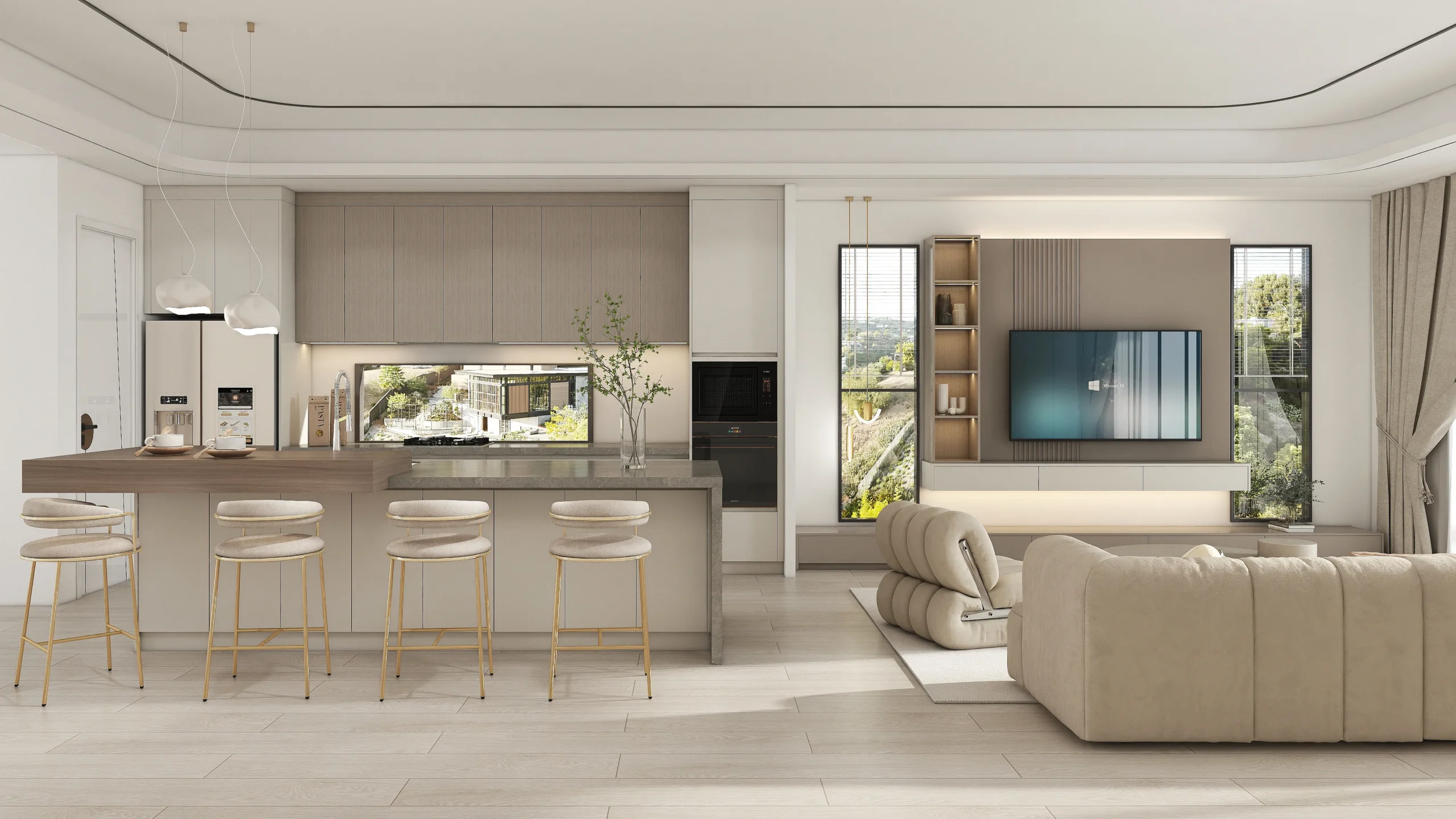
Many homeowners struggle to find the right window style that balances ventilation, aesthetics, and space efficiency. Sliding window design has become one of the most popular choices for modern homes because it saves space, allows large glass panels, and creates a clean architectural look. Whether you are designing a new home or renovating an existing space, choosing the right sliding window design can dramatically improve natural light and airflow. In this guide, we explore the top 10 best sliding window design ideas that combine modern style with practical functionality.
What Is a Sliding Window?
A sliding window is a type of window that opens horizontally by sliding one panel over another along a track. Unlike casement windows that swing open, sliding windows move smoothly from side to side, making them ideal for areas with limited space.
Sliding windows are commonly used in:
- Kitchens
- Living rooms
- Bedrooms
- Balconies
- Apartments and modern villas
Because they allow wide glass panels, sliding windows can maximize natural light while maintaining a minimalist appearance.
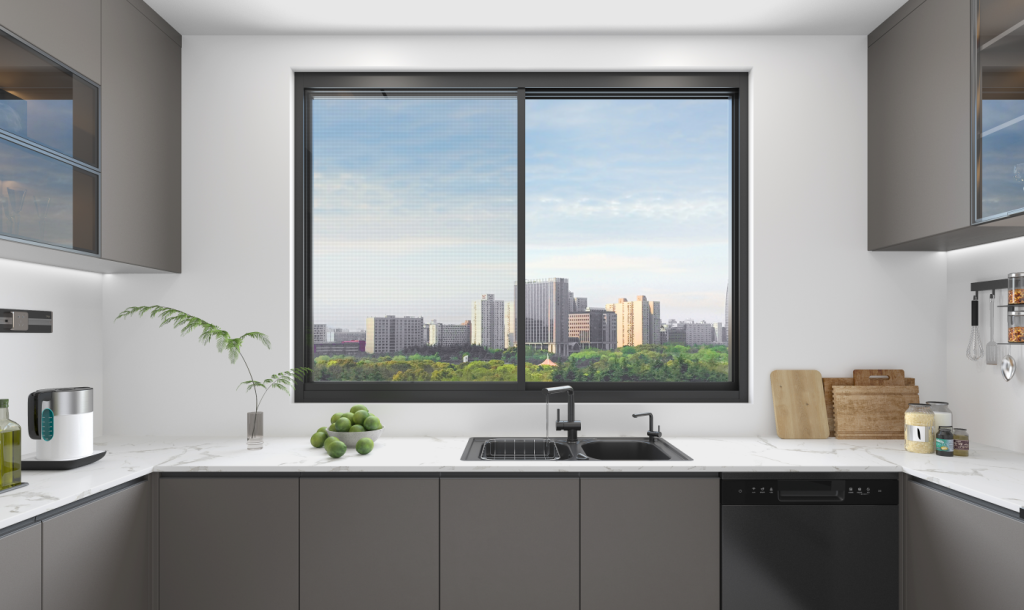
Why Sliding Windows Are Popular in Modern Homes?
A sliding window is a type of window that opens horizontally by sliding one panel over another along a track. Unlike casement windows that swing open, sliding windows move smoothly from side to side, making them ideal for areas with limited space.
Space-saving design
Since the panels slide instead of swinging outward, sliding windows are ideal for compact spaces.
Large glass area
The design allows wider glass panels, bringing in more daylight and creating a more open feeling indoors.
Easy operation
Modern sliding windows use smooth roller systems, making them easy to open and close.
Modern aesthetic
Slim aluminum frames and large glass panels complement modern architectural styles.
Top 10 Best Sliding Window Design Ideas
1. Minimalist Aluminum Sliding Window
Minimalist aluminum sliding windows are a popular choice for modern homes. Slim aluminum frames create a clean and simple look while allowing large glass panels to dominate the design. This type of window works especially well in contemporary homes where natural light and openness are priorities.
Aluminum frames are also durable and resistant to corrosion, making them suitable for both interior and exterior applications.
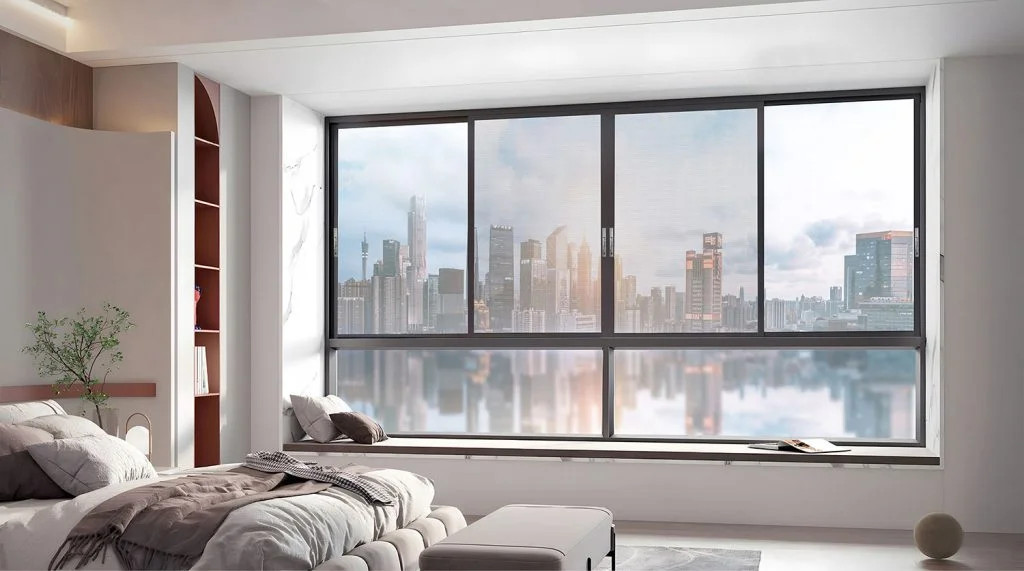
2. Floor-to-Ceiling Sliding Windows

Floor-to-ceiling sliding windows create a dramatic architectural effect by connecting indoor spaces with the outdoor environment. These large windows allow panoramic views while filling the room with natural light.
They are often used in living rooms, villas, and luxury homes where homeowners want to maximize landscape views.
3. Black Frame Modern Sliding Windows
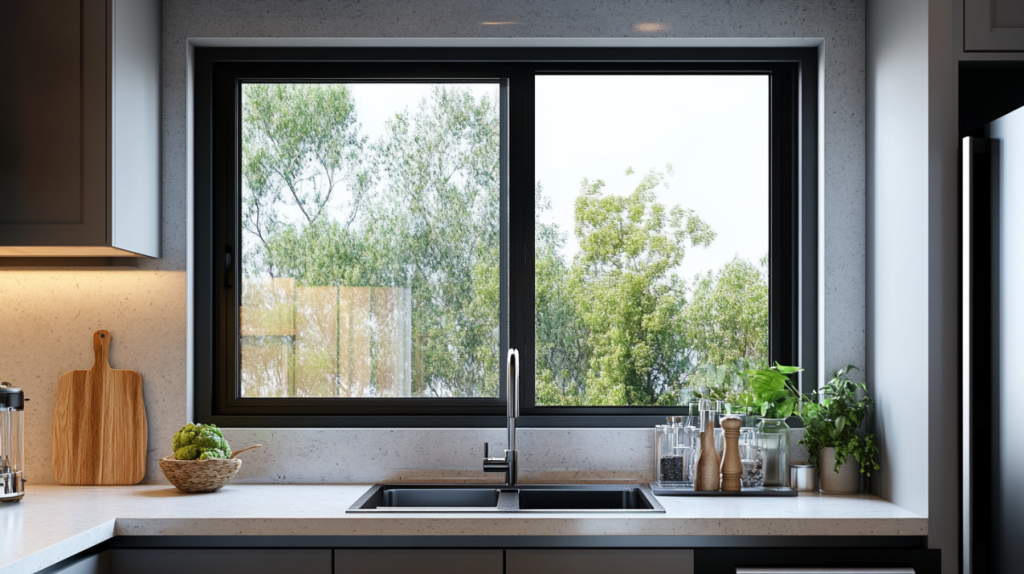
Black-framed sliding windows have become a major trend in modern architecture. The dark frame creates a strong visual contrast against light-colored walls and enhances the geometric lines of the building.
They are often used in living rooms, villas, and luxury homes where homeowners want to maximize landscape views.
4. Sliding Windows for Kitchen Ventilation
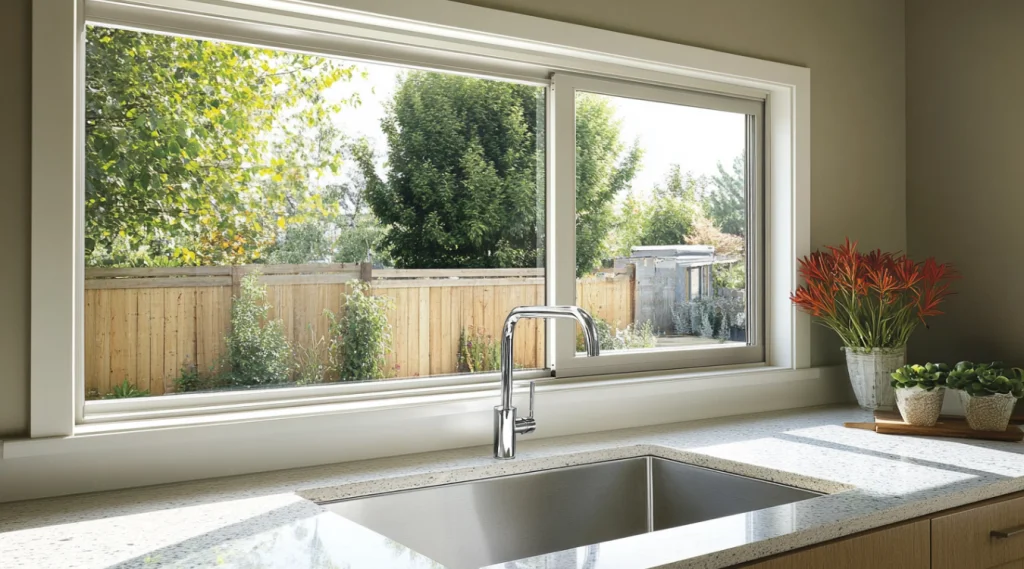
Sliding windows are ideal for kitchens because they provide excellent ventilation while saving space. Since the window panels move horizontally, they can be easily opened even when there are countertops or sinks below.
Many homeowners choose sliding windows above the kitchen sink to allow fresh air while cooking.
5. French Sliding Window Design
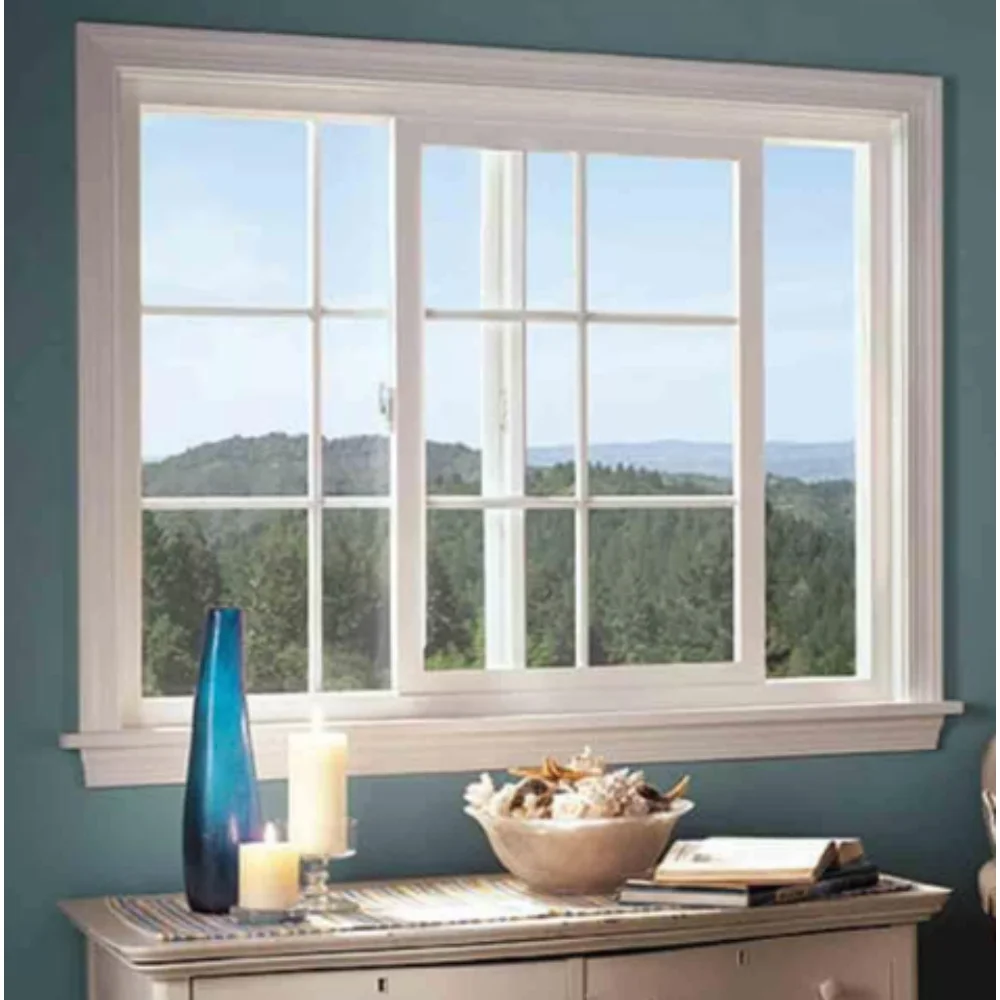
French sliding window designs combine the elegance of traditional French windows with the practicality of a sliding system. Instead of swinging outward like classic French windows, this design uses sliding panels while maintaining symmetrical frames and large glass sections.
This style is often used in living rooms, bedrooms, or areas facing gardens and terraces. The wide glass panels allow more natural light to enter the space while creating a refined architectural look.
French sliding windows work especially well in modern villas and luxury homes where homeowners want both functionality and timeless design. The balanced frame layout also enhances the visual appeal of the façade while maintaining smooth operation.
6. Corner Sliding Window Design
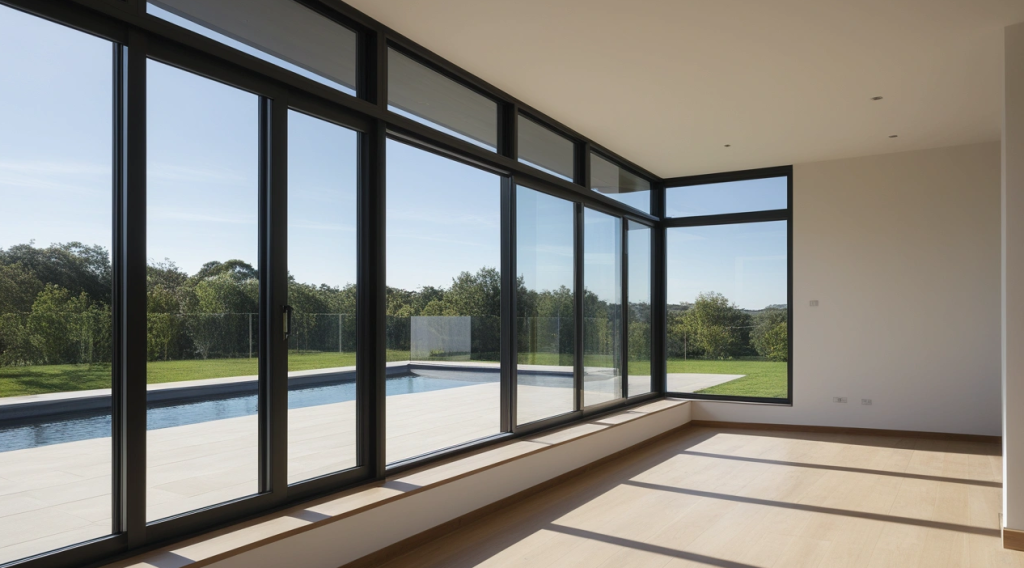
Corner sliding windows create a unique architectural feature by removing the traditional corner wall between two windows. This design allows a panoramic view and dramatically increases natural light.
It is often used in modern villas and luxury homes where architectural aesthetics are important.
7. Sliding Windows with Mosquito Screens
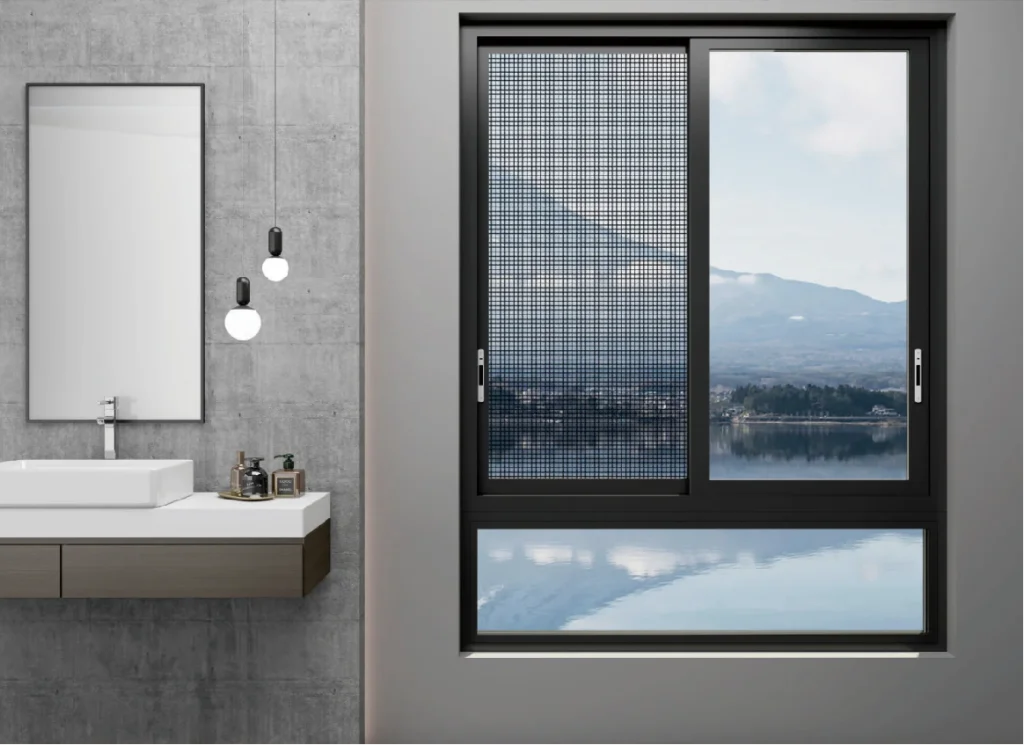
Corner sliding windows create a unique architectural feature by removing the traditional corner wall between two windows. This design allows a panoramic view and dramatically increases natural light.
This feature is especially useful in tropical or warm climates.
8. Large Panoramic Sliding Windows
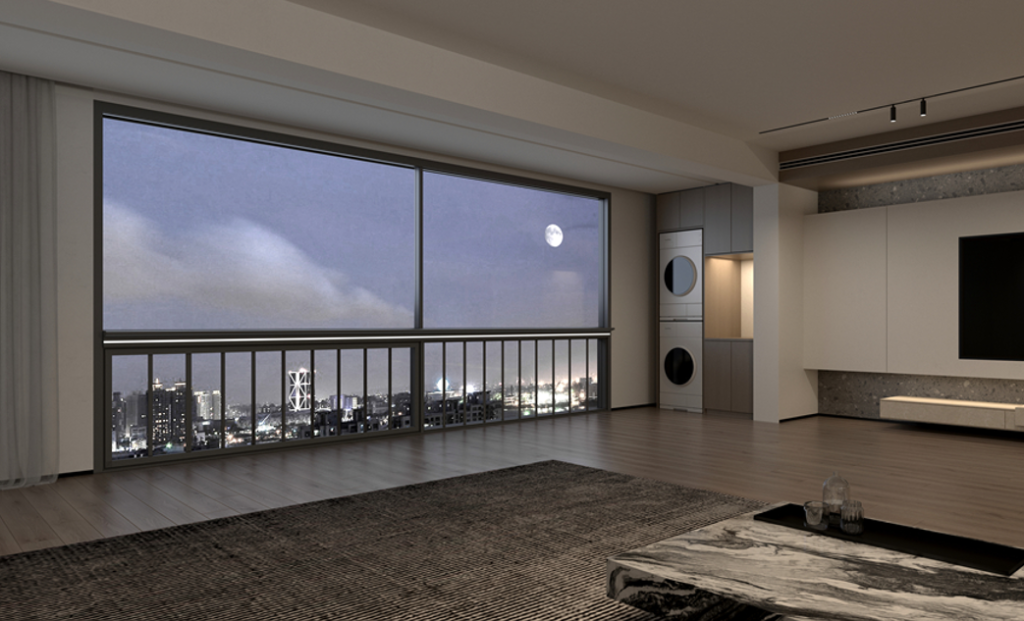
Panoramic sliding windows are designed with large glass panels that create a seamless connection between indoor and outdoor spaces. These windows are often used in living rooms facing gardens, patios, or swimming pools.
The large glass area also enhances the visual spaciousness of the interior.
9. Multi-Track Sliding Window Design
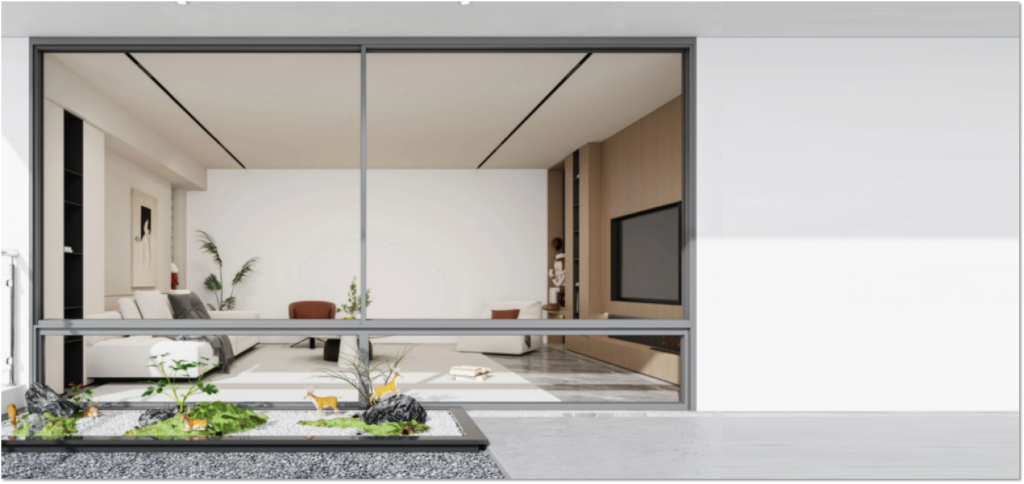
These windows are often used in living rooms, balconies, and garden-facing areas where homeowners want unobstructed views and maximum airflow. When fully opened, multiple panels stack neatly to one side, creating a larger opening between indoor and outdoor spaces.
Multi-track sliding window designs use three or more sliding panels that move along separate tracks. This system allows wider openings compared to standard two-panel sliding windows, making it ideal for large spaces.
Multi-track sliding windows are especially popular in modern villas and luxury homes. Their large glass surfaces bring in more natural light while maintaining a sleek and contemporary architectural appearance.
10. Slim Frame Contemporary Sliding Windows
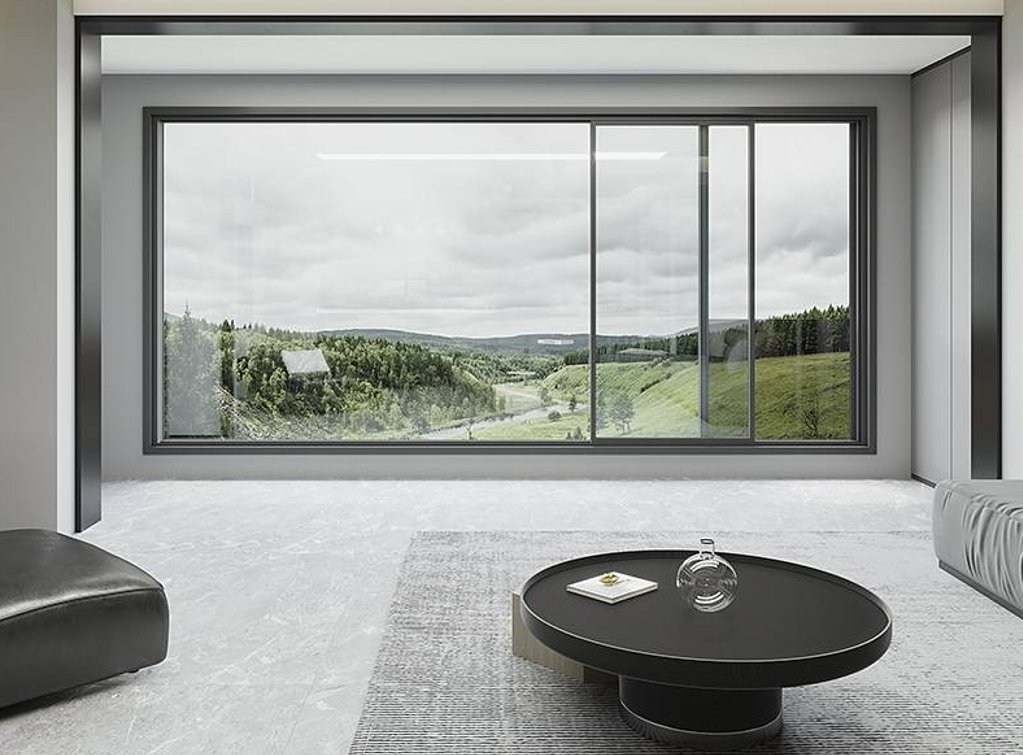
Slim-frame sliding windows focus on maximizing the glass area by reducing the visible frame width. The result is a sleek and elegant appearance that perfectly matches modern architectural styles.
These windows are especially popular in high-end residential projects.
Sliding Window vs Casement Window
| Feature | Sliding Window | Casement Window |
|---|---|---|
| Opening Method | Slides horizontally | Hinged and swings open |
| Space Requirement | Saves space | Requires opening space |
| Ventilation | Moderate | Excellent |
| Maintenance | Easy | Moderate |
Sliding windows and casement windows have their advantages, but sliding windows are often preferred for modern homes where space efficiency and large glass panels are important.
How to Choose the Right Sliding Window Design
When selecting sliding windows for your home, consider the following factors.
Frame material
Aluminum frames are durable and modern, while uPVC frames offer better thermal insulation.
Glass type
Double glazing or Low-E glass can improve energy efficiency.
Hardware quality
High-quality rollers and tracks ensure smooth operation and long-term durability.
Installation quality
Professional installation ensures proper sealing and prevents water leakage.
Conclusion
Sliding windows have become a key feature in modern home design because they combine functionality with contemporary aesthetics. From minimalist aluminum frames to panoramic glass designs, the right sliding window design can transform the look and comfort of your living space.
If you are planning a new construction project or renovating your home, choosing high-quality sliding windows is essential. PA Home provides customized aluminum sliding window designs for modern homes, apartments, and large residential projects. Contact us to get latest slider window designs!
FAQs about Sliding Windows
Yes. Sliding windows provide a clean, minimalist appearance that fits perfectly with modern architectural styles.
Sliding windows with double glazing and proper sealing can provide excellent energy efficiency.
Aluminum is one of the most popular materials because it is durable, lightweight, and suitable for modern designs.
Sliding windows are commonly installed in kitchens, living rooms, bedrooms, and balconies.
Aluminum sliding windows typically cost $400–$850 per window, including materials and basic installation. Premium or larger custom windows can range from $1,000 to $1,700 or more, depending on size, glass type, and hardware quality.
Prices vary based on factors such as window size, double-glazing, frame thickness, and installation costs.