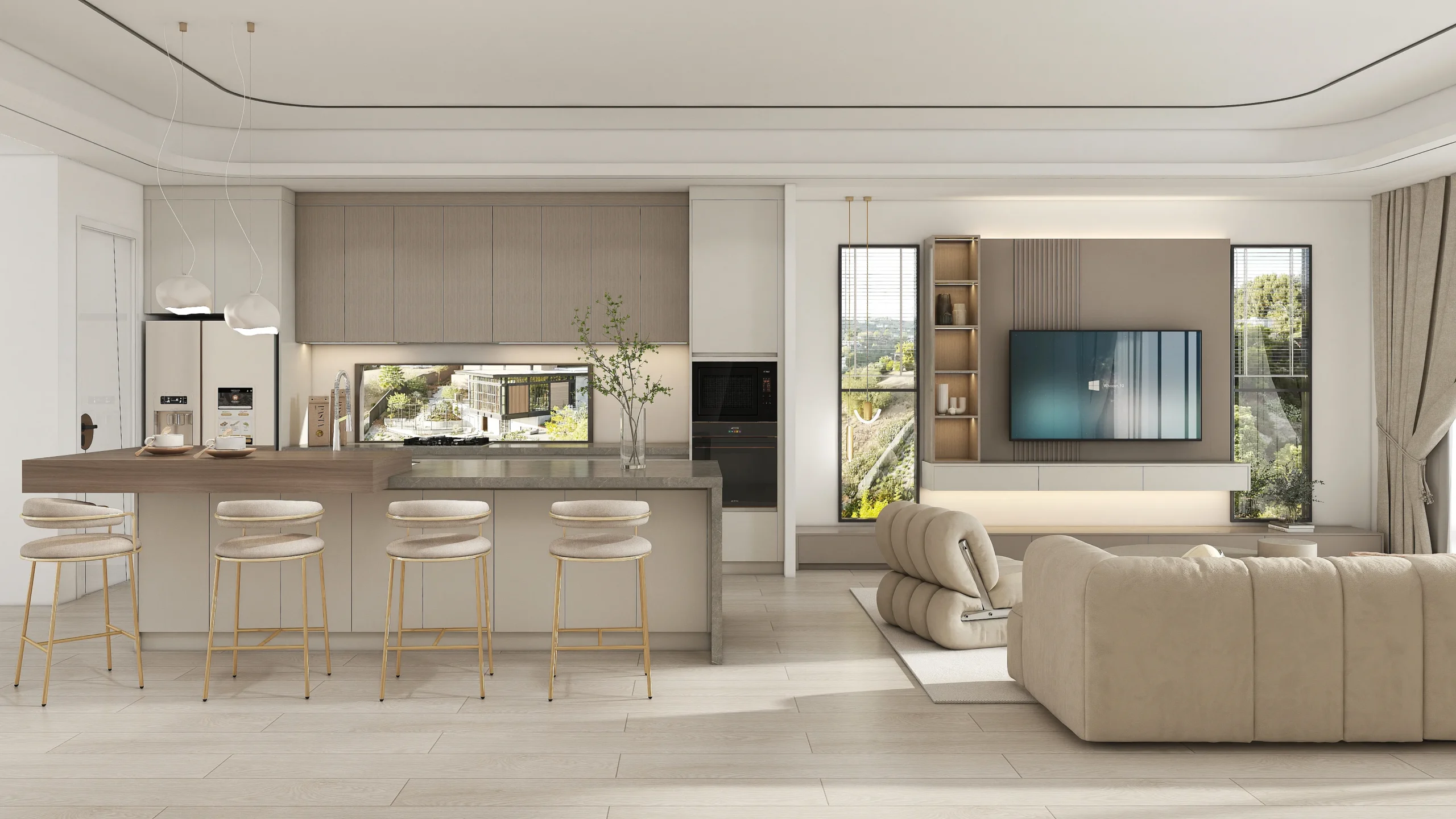

Your kitchen is more than just a cooking space; it’s the heart of your home. And in a busy kitchen, your cabinets bear the brunt of daily wear and tear, from grease and stains to scratches. Choosing the right paint for your kitchen cabinets can make all the difference—transforming your space into a stunning, durable, and easy-to-maintain focal point.
While painting can be a cost-effective option, for those considering a full-scale kitchen upgrade, PAHOME cabinets offer a ready-made, professional finish that ensures durability and style. In this guide, we’ll explore the best paints for kitchen cabinets, painting techniques, and when it’s worth considering a cabinet replacement.
What Are the Best Paints for Kitchen Cabinets?
Choosing the best paint for your kitchen cabinets can be overwhelming, given the variety of options available in the market. Each type of paint offers unique benefits and drawbacks, and the right choice depends on your specific needs, budget, and desired finish. Let’s break down the top contenders and their ideal applications to help you make an informed decision.
Types of Paint for Best Results on Kitchen Cabinets
Latex Paint
Latex paint, also known as water-based paint, is a popular choice for DIY projects. It’s environmentally friendly and contains low levels of volatile organic compounds (VOCs), making it a safer option for indoor use. This paint dries quickly, which is a significant advantage for projects requiring multiple coats. Additionally, latex paint is easy to clean up with soap and water, making the process less messy.
However, latex paint may not be as durable as other options. It is best suited for cabinets in low-traffic kitchens or for homeowners who are diligent about regular maintenance. Opt for a high-quality latex paint with built-in primers to enhance adhesion and durability.
Oil-Based Paint
Oil-based paint has long been a favorite for cabinetry due to its exceptional durability and smooth finish. It forms a hard, protective shell that withstands daily wear and tear, making it ideal for high-traffic kitchens or homes with children and pets.
The downsides? Oil-based paints emit strong odors and take longer to dry, which can be inconvenient for some homeowners. Additionally, cleanup requires mineral spirits or paint thinners, which can add to the overall effort. Despite these drawbacks, if longevity and a flawless finish are your priorities, oil-based paint remains a strong contender for the best paint for kitchen cabinets.
Acrylic-Alkyd Hybrid Paint
Acrylic-alkyd hybrid paint combines the best features of latex and oil-based paints. This innovative formula offers the durability and smooth application of oil-based paint with the easy cleanup and low VOCs of latex paint. It’s a professional-grade choice that provides a factory-like finish, perfect for modern and high-end kitchens.
This type of paint is relatively new but has quickly gained popularity among professionals and DIY enthusiasts alike. It’s especially well-suited for cabinets that require a durable, moisture-resistant finish without the strong fumes of traditional oil-based paints.
| Type of Paint | Pros | Cons | Best For |
|---|---|---|---|
| Latex Paint | Eco-friendly, quick-drying, easy cleanup. | Less durable, needs regular upkeep. | Low-traffic kitchens, DIYers. |
| Oil-Based Paint | Durable, smooth finish, great for wear. | Strong odor, slow drying, tough cleanup. | High-traffic kitchens, families. |
| Acrylic-Alkyd Hybrid | Durable, easy cleanup, low VOCs. | Higher cost, less DIY-friendly. | Modern, high-end kitchens. |
Top Recommendations for Best Paints for Kitchen Cabinets
When it comes to selecting a specific brand, there are several standout options on the market that consistently deliver excellent results. Here are our top picks:
Sherwin-Williams Urethane Trim Enamel
This premium product is renowned for its self-leveling properties, which ensure a smooth, brush-mark-free finish. Its urethane-modified formula provides unparalleled durability, making it an excellent choice for high-use kitchens. Additionally, it’s moisture-resistant and can handle the humidity and heat of a busy cooking space. With a range of colors and sheens available, Sherwin-Williams Urethane Trim Enamel offers both style and substance, solidifying its reputation as one of the best paints for kitchen cabinets.
Benjamin Moore Advance
A favorite among professionals, Benjamin Moore Advance delivers a finish that rivals that of factory-applied coatings. Its waterborne alkyd formula combines the benefits of water-based and oil-based paints, resulting in a tough, durable surface that’s resistant to moisture and stains. It’s also available in a variety of sheens, from matte to high-gloss, allowing you to customize your kitchen’s aesthetic.
Behr Cabinet Enamel
If you’re working within a budget but still want a high-quality result, Behr Cabinet Enamel is a reliable choice. It’s easy to apply and dries to a semi-hard finish that’s suitable for light to moderate use. While it may not match the durability of Sherwin-Williams or Benjamin Moore, it’s a cost-effective option for homeowners seeking a quick refresh with the best paint for kitchen cabinets in its price range.
| Brand | Key Features | Durability | Best For | Price Range |
|---|---|---|---|---|
| Sherwin-Williams Urethane Trim Enamel | Self-leveling, brush-mark-free finish. Moisture and heat resistant. Wide range of colors and sheens. | Excellent | High-use kitchens and humid environments. | High |
| Benjamin Moore Advance | Factory-like finish. Combines water-based and oil-based benefits. Available in multiple sheens. | Very Good | Customizable aesthetics and professional-grade results. | Moderate to High |
| Behr Cabinet Enamel | Easy to apply. Semi-hard finish. Great for light to moderate use. | Good | Budget-friendly quick refreshes. | Low to Moderate |
Choosing the Right Sheen for Your Best Paint for Kitchen Cabinets
Selecting the appropriate sheen for your kitchen cabinets is a crucial decision that impacts both aesthetics and practicality. The sheen, or finish, refers to the level of glossiness the paint has once it dries, and it can significantly influence the overall look and functionality of your cabinets. Let’s explore the available options in greater detail and provide practical guidance to help you make the best choice.
Options for Cabinet Sheen
Matte Finish
A matte finish is understated and elegant, offering a soft, non-reflective appearance that can work beautifully in kitchens aiming for a subtle, minimalist aesthetic. It’s a popular choice for rustic or farmhouse-style kitchens where the emphasis is on natural textures and muted tones.
However, matte finishes are more prone to showing stains, fingerprints, and grease marks, making them harder to clean. They may require frequent touch-ups or specialized cleaning products to maintain their appearance, which can be challenging in high-traffic kitchens. As such, matte finishes are best suited for lower-use areas or for homeowners who prioritize style over maintenance.
Latex Paint
Satin finishes strike a perfect balance between elegance and practicality. This finish provides a soft, velvety sheen that is slightly more reflective than matte but not overly glossy. It’s a highly versatile choice that works well in various kitchen styles, from modern to traditional.
Satin finishes are also more durable and easier to clean compared to matte finishes. They can withstand moderate scrubbing, making them an excellent option for busy households where cabinets are subject to frequent use. If you’re looking for a finish that combines visual appeal with everyday functionality, satin is a top contender.
Semi-Gloss and High-Gloss Finishes
Semi-gloss and high-gloss finishes are the most durable and easiest to clean among all the options. These finishes create a shiny, reflective surface that adds a touch of sophistication and brightness to the kitchen. High-gloss finishes, in particular, can make a small kitchen appear larger by reflecting more light.
However, the downside of these finishes is their tendency to highlight imperfections. Scratches, dents, and uneven surfaces become more noticeable under the reflective sheen. Therefore, semi-gloss and high-gloss finishes are ideal for cabinets in excellent condition or for homeowners who are meticulous about upkeep.

A Step-by-Step Guide to Using the Best Paint for Kitchen Cabinets
Painting your kitchen cabinets can transform the heart of your home, giving it a fresh and updated look without the expense of a full renovation. However, achieving a professional finish requires patience, precision, and proper preparation. Here’s a detailed guide to help you tackle this project successfully:
Preparation: Setting the Stage for Using the Best Paint for Kitchen Cabinets
Clean Thoroughly
Start by removing all grease, grime, and dirt from your cabinets. Kitchens are prone to accumulating these residues, especially near stoves and sinks. Use a degreaser or a mixture of warm water and dish soap to scrub the surfaces thoroughly. For stubborn stains, consider using a TSP (trisodium phosphate) cleaner, which effectively breaks down tough grease. Cleaning ensures that the paint adheres properly and doesn’t peel over time.
Sand the Surfaces
Sanding is a crucial step to create a smooth surface for the primer and paint to adhere to. Use medium-grit sandpaper (around 120-150 grit) to remove the existing finish, gloss, or imperfections. For intricate details or grooves, use a sanding sponge or a sanding block to ensure you reach every corner. After sanding, wipe down the surfaces with a tack cloth to remove dust, as even fine particles can interfere with the paint’s adhesion.
Repair Any Imperfections
Inspect the cabinets for dents, scratches, or holes. Use a wood filler to patch up any damage, applying it with a putty knife and smoothing it out for an even surface. Once the filler dries, sand it down until it blends seamlessly with the rest of the cabinet. This step is essential for achieving a flawless, factory-like finish.
Priming: Laying the Foundation
Priming is a non-negotiable step that sets the foundation for a durable and professional paint job. Choose a high-quality primer specifically designed for cabinets, preferably one that blocks stains and seals porous surfaces. Apply the primer evenly using a foam roller or a paint sprayer, and let it dry completely according to the manufacturer’s instructions.
Priming not only enhances paint adhesion but also prevents tannins from bleeding through, especially on wood cabinets like oak or cherry. For optimal results, sand the primed surfaces lightly with fine-grit sandpaper (220 grit) to eliminate any raised grain or roughness before proceeding to painting.
Painting: Bringing Your Vision to Life
Apply Thin, Even Coats
When it comes to painting, less is more. Apply thin coats of paint, as thick layers are more likely to drip or run. Start with the edges and corners using a high-quality angled brush, then use a foam roller for the flat surfaces to achieve a uniform finish. Allow each coat to dry completely before applying the next—this prevents uneven texture and ensures a long-lasting result.
Sand Between Coats
For a factory-like finish, lightly sand between coats with fine-grit sandpaper. This step removes any imperfections, such as brush strokes or dust particles, and helps the next coat adhere better. Wipe the surfaces clean with a tack cloth after sanding.
Use the Right Tools
The tools you choose can make or break your project. For the smoothest application, consider using a paint sprayer, which provides an even and professional finish. If a sprayer isn’t available, a high-density foam roller is an excellent alternative for achieving a sleek surface without brush marks. Pair it with a high-quality brush for detailed areas.
Limitations of Painting Old Cabinets
Painting old kitchen cabinets can be an appealing option for homeowners seeking a cost-effective way to refresh their kitchen. However, this approach has its limitations. While a fresh coat of paint can certainly improve the appearance of worn cabinets, it may not address deeper issues that impact functionality or durability. Let’s explore some of the common challenges and potential drawbacks of painting old cabinets.
Common Issues with Painting Old Cabinets
Paint May Not Adhere Well to Old or Damaged Surfaces
Older cabinets often have worn-out finishes or damage that makes paint adherence difficult. Even with sanding and priming, issues like water damage or grease stains can compromise the result.
Extensive Preparation and Time Requirements
Proper preparation involves cleaning, sanding, repairing, and priming, which can take days or weeks. For busy homeowners, this is a significant time commitment.
Results May Fall Short of New Cabinet Standards
Painted cabinets often lack the seamless finish of new ones. Over time, they may chip or discolor, and structural issues remain unresolved.
Conclusion
Transforming your kitchen doesn’t have to be complicated. While high-quality paint can refresh old cabinets, the results often fall short of the seamless, durable finish of new ones. PAHOME cabinets offer a superior solution with our specialized lacquer production line, delivering professional-grade finishes that last.
Why PAHOME?
- Precision Lacquer Finishes: Our dedicated production line ensures flawless, factory-quality coatings.
- Durable Materials: Built to resist wear, moisture, and stains.
- Effortless Installation: Pre-finished cabinets save time and hassle.
- Customizable Designs: Choose from a variety of colors and styles to fit your kitchen perfectly.

Upgrade your kitchen effortlessly with PAHOME’s ready-to-install cabinets. Visit us now for a free design consultation and see how our advanced lacquer finishes can transform your space into a masterpiece!
FAQS
What is the most durable paint for kitchen cabinets?
The most durable paint for kitchen cabinets is oil-based paint or acrylic-alkyd hybrid paint. Both offer excellent resistance to daily wear and tear, moisture, and stains. Acrylic-alkyd hybrid paint is a popular modern choice due to its durability and low VOC content.
How many coats of paint are needed for kitchen cabinets?
Typically, 2-3 coats of paint are recommended for kitchen cabinets. Start with a primer, then apply thin, even coats of paint, allowing each coat to dry completely before adding the next.
How long does it take to paint kitchen cabinets?
Painting kitchen cabinets can take 3-7 days, depending on the size of the kitchen and drying times between coats. Proper preparation and patience are key to achieving a professional-looking result.