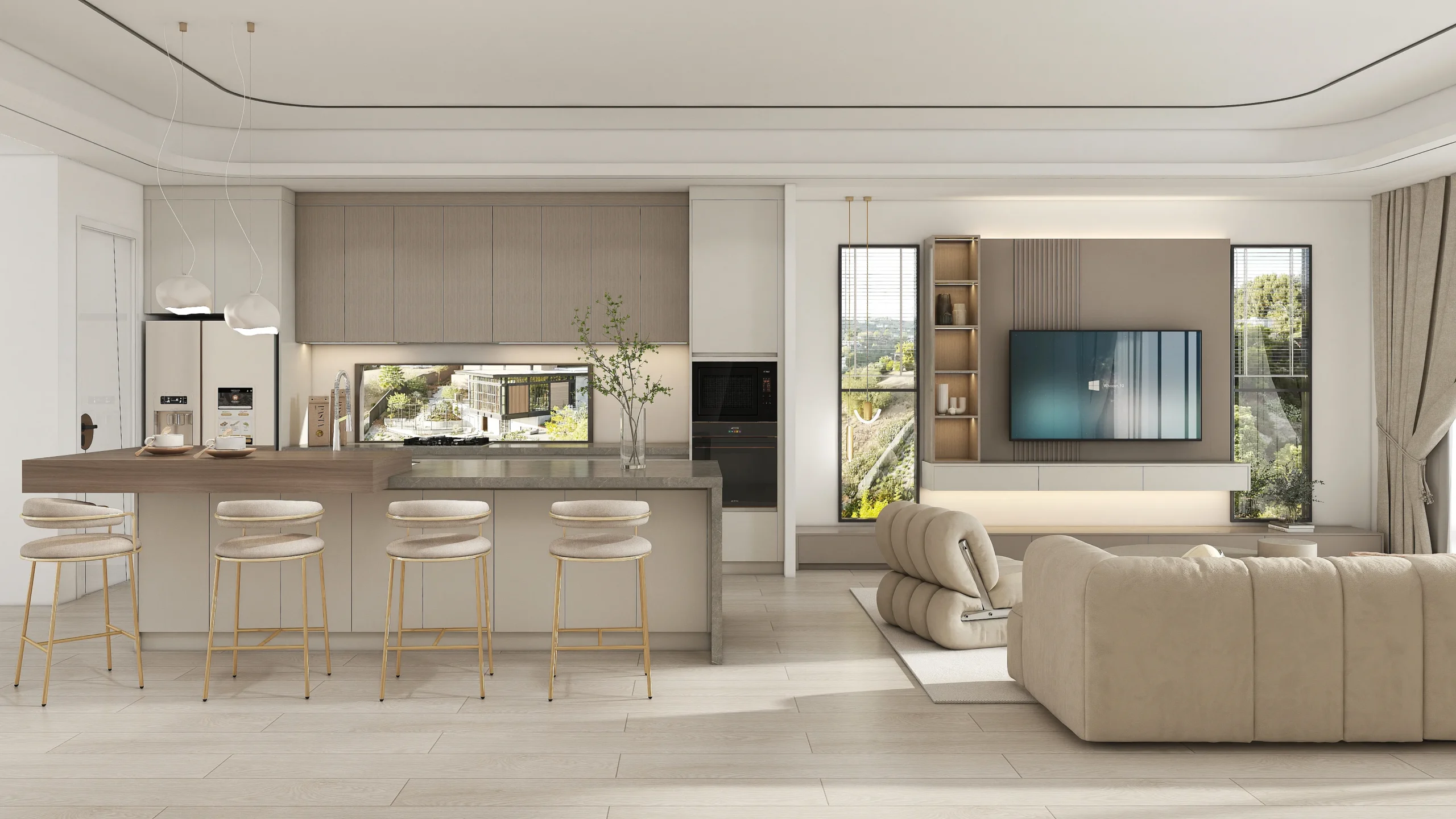
In any project of renovation primarily, kitchen cabinets have a very vast role. They are not only to place your pots and pans, but it creates the first impression of your kitchen design. From modern and edgy to classic and cozy, the right cabinet style can set the mood of any room. This is why it is crucial to know what you are working with.
There are mainly three types of cabinet to choose from: Custom, Semi-Custom and Stock. Custom cabinets are designed specifically for you and your lifestyle; If you have specific measurements or are looking to add your own touch, they are great picks. Semi-custom cabinets are a little more flexible in size and design, but they’re quite a bit pricier than stock. Stock cabinets are the fastest to get, but you may not find exactly the right design or size.
If you are considering a renovation, playing ball with folks like PA Home will simply your life. They provide a single point of solution that is readily customizable which enables you to design, choose your materials and manage installations all under one roof. This eliminates the need for hauling, making your kitchen renovation process stressfree.

Defining Your Needs in Cabinet Renovation
When you’re renovating your kitchen cabinets, the first step is to think about what you really need. This is where your storage needs and kitchen layout come into play. Are your current cabinets enough, or do you constantly find yourself searching for more space? If you have large pots or an ever-growing collection of spices, you might need cabinets that offer more storage versatility.
There are several types of cabinets to consider, depending on your kitchen’s design and your storage needs. Base cabinets are the workhorses of the kitchen — they support countertops and provide the bulk of storage. Wall cabinets, on the other hand, help maximize vertical space, making them perfect for smaller kitchens. If you’re looking for even more storage, tall/pantry cabinets can be a great option for holding bulky items like brooms or canned goods.
By evaluating your kitchen layout and understanding where you need more space, you can make smart choices about the types of cabinets that will work best for your renovation.
Budget Considerations in Cabinet Renovation
When planning your cabinet renovation, your budget will significantly influence your choices. Cabinets typically fall into three categories: custom, semi-custom, and stock cabinets. Stock cabinets are the most affordable, mass-produced options. They can usually be found in standard sizes and designs, making them a great choice for a budget-friendly renovation. However, they might limit your design choices.
On the higher end, custom cabinets allow for complete flexibility in design, materials, and size, but they come with a much higher price tag. You’re paying for craftsmanship and tailored details, which makes them ideal if you have unique needs or a particular vision for your kitchen. Semi-custom cabinets offer a middle ground, providing some customization options while staying within a more manageable price range.
Other factors can also impact the cost, like the type of material you choose — solid wood will cost more than MDF or plywood. Additional features like soft-close drawers or custom hardware will also add to the price, but these upgrades can make a big difference in functionality and longevity.
Material Selection for Cabinets
Choosing the right material for your kitchen cabinets is key to balancing style and durability. There are three common materials: solid wood, MDF (medium-density fiberboard), and plywood. Each has its strengths, and your decision will depend on your budget and design goals.
- Solid wood is the most traditional and durable option. It offers a timeless look and can be refinished over time. However, it’s also the most expensive and can warp in high-humidity environments. For a classic and long-lasting choice, solid wood is ideal, especially if you’re looking for something with natural grain patterns.
- MDF, on the other hand, is a more budget-friendly alternative. It’s smooth, doesn’t warp, and takes paint very well, making it perfect for a sleek, modern finish. However, MDF is less durable than wood and more prone to damage over time.
- Plywood offers a middle ground between solid wood and MDF. It’s durable, resistant to moisture, and can be covered with various finishes, giving you flexibility in design. If you want strength without paying for solid wood, plywood is a strong contender.

Whichever material you choose, remember that your cabinets should fit both the aesthetic and functional needs of your kitchen.
Style and Design in Cabinet Renovation
When it comes to renovating cabinets, choosing the right style and design is essential for creating the look you want. Here are some key points to consider:
Framed vs. Frameless Cabinets
Framed cabinets have a border around the front, which provides extra support and a traditional appearance. Frameless cabinets, also known as European-style cabinets, offer a sleek, modern look and more storage space due to their open design. Choosing between the two depends on your kitchen’s overall aesthetic.
Popular Design Trends
- Shaker Style: This is a timeless, clean design featuring simple, square doors. It’s versatile enough to work in both modern and traditional kitchens.
- Traditional Style: If you’re after a more classic, ornate look, traditional cabinets often feature decorative details like crown molding, arches, and raised panel doors.
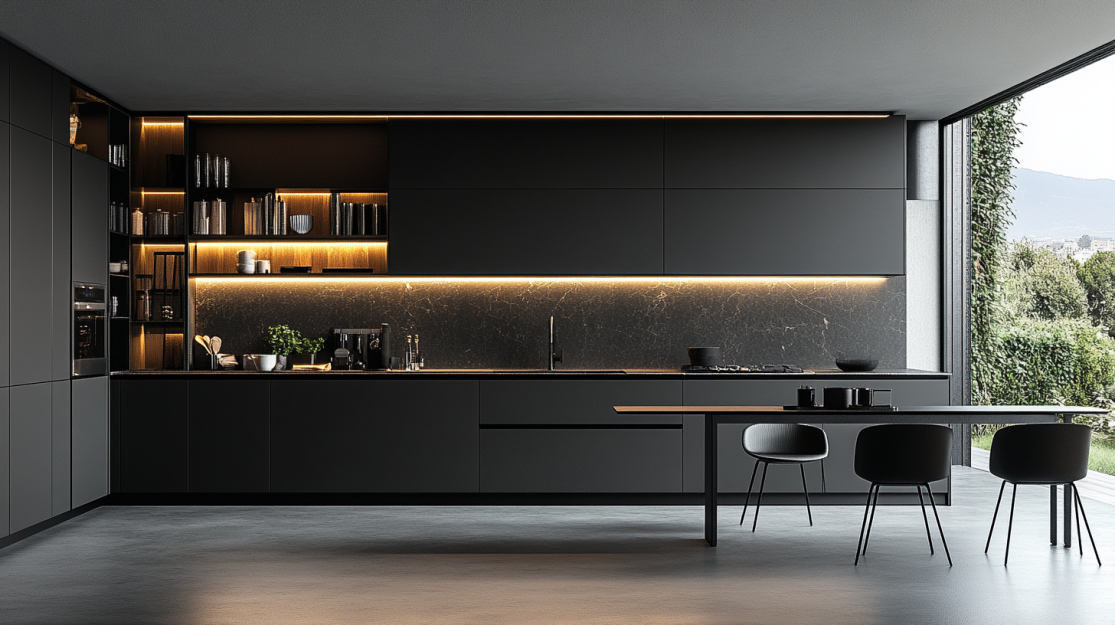
- Contemporary Style: For a minimalist vibe, contemporary cabinets focus on clean lines, smooth surfaces, and neutral colors, often using materials like glass and metal.
Matching Cabinets to Your Kitchen Aesthetic
Your cabinets have to go with the rest of your kitchen design. On the flip side, if you have a rustic kitchen you’d be best served by solid wood with a distressed finish. Flat-panel cabinets and modern sleek hardware are the best choices for today’s kitchen designs.
When it comes to updating the look of your old cabinets, the quality and functionality can take a back seat to design.
Quality and function are the most important aspects to consider when redoing your cabinets. What you do not want is to have drawers that are difficult to open and close or doors that rattle or shift. To prevent these types of problems, so be sure to pay attention to the way in which cabinets are constructed.
- Dovetail Joints: The dovetail joints on the drawer corners are extremely strong, and are more durable than glued or stapled joints. No one wants to have their drawers falling apart after only a few years and sloping them with these grooves is the difference between well-made cabinets and everyone else.
- Ball-Bearing Drawer Slides:Ball-bearing slides help your drawers open and close more smoothly. Prompt sheep liners — to keep your dressers smooth-running in any event, when they are full. Which is far more durable than common plastic slides which can break down over time.
- Soft-Close Hinges:Sick of snapping cabinet doors shut in their faces? Ask for soft-close hinges — they will change your life! They slow the door as it closes to avoid wear and tear, which means less noise and a healthier kitchen.
- Pull Out Drawers and pull-out organizers:In order to take advantage of space implement pull-out drawers or shelves. That said, they are easy to use and you can grab stuff off the back of cabinets without having to dig through everything. They can be particularly helpful in base cabinets that are deep and make it hard to reach items at the back of the cabinet.
These features are not only likely to elongate the life of your cabinets but also improve your kitchen experience day-to-day.
Customization Options in Cabinet Renovation
One of the biggest benefits to custom cabinets is its design flexibility to allow you to piece together the exact kitchen that works for you. Custom: If you’re working with unique kitchen dimensions and non-standard layouts, custom options are your tickets to not a trip to storage Ikea. Custom cabinetry is perfect for making use of awkward corners, or adapting cabinets to unusual ceiling heights. Other options:data-ga-click=”you are not locked into pre-set sizes or styles — you get to customize everything from the size and shape down to fine-grained hardware.
Bespoke cabinetry provides a unique homeowner with the opportunity to choose the materials, finishes, and specific organizational features that best meet their personal taste and lifestyle. Whether you wish to have pull-out shelving so you can access your supplies with ease or deep drawers for pots and pants alongside built-in organizers, custom solutions let you dictate the utility of your kitchen. Custom cabinets will also improve the value of your home with their fine crafted, unique appearance.
Companies such as PA Home specialize in utilizing a professional approach to create purpose-built, cost-effective designs. If you have one of these experts on your side, you can get the exact kitchen you want that is going to work with the space that you already have, and receive a professionally constructed final product.

Installation: DIY vs Professional Help
When renovating your kitchen cabinets, deciding between DIY assembly and professional installation is a crucial choice. Both options have their pros and cons. DIY assembly is attractive if you’re handy and want to save on labor costs. Ready-to-Assemble (RTA) cabinets are designed with homeowners in mind, offering easy-to-follow instructions. It’s a budget-friendly option, but it does require time, patience, and some tools. You’ll also need to be comfortable with measurements and precise installations.
However, for those who value peace of mind or have complex designs, professional installation is worth considering. Hiring a professional ensures that your cabinets are installed correctly and securely, avoiding potential issues like misalignment or damage. It’s especially useful if you’re working with custom or semi-custom cabinets, where precision is key.
Many companies, such as PA Home, offer comprehensive design services, ensuring that your cabinets are not only beautifully crafted but also properly installed. With their support, you can avoid common pitfalls and achieve a flawless finish.
Conclusion
Renovating your kitchen cabinets is a significant investment, and careful planning is essential to ensure the final result meets both your aesthetic and functional needs. From choosing the right materials and style to considering customization and installation, each decision plays a crucial role in the overall success of the project. Quality materials and smart design choices not only enhance the look of your kitchen but also improve its efficiency and durability.
If you’re looking for a seamless renovation experience, consider exploring PA Home’s one-stop custom cabinet solutions. They offer everything from personalized design services to professional installation, helping you transform your kitchen with minimal hassle and maximum satisfaction. By choosing a trusted provider, you’ll save time, avoid common mistakes, and enjoy a kitchen that reflects your unique style.

Looking to create a high-quality kitchen? Check out this 2025 Ranking of America’s Top 120 Kitchen Cabinet Companies! With decades of industry expertise, we’ve curated the most reliable cabinet brands to help you find the perfect kitchen solution. Click to learn more and start your dream kitchen journey!
FAQS
1. What are the best materials for kitchen cabinet renovation?
The best materials include solid wood, MDF, and plywood, offering a balance of durability, aesthetics, and budget.
2. Is it better to DIY kitchen cabinet installation or hire a professional?
DIY saves costs but requires time and skill, while professional installation ensures precision, especially for custom designs.
3. How much do custom kitchen cabinets cost?
Custom cabinets range from $500 to $1,200 per linear foot, depending on materials, craftsmanship, and additional features.