In remodeling a bathroom, the bathtub is often an all-or-nothing proposition. Is it not everyone’s dream to slide into a heaven like distraction after a long day? However, there are many types of bathtubs out in the market today including freestanding tubs and alcove tubs which make selecting one a little bit trickier.
Well, how to find your bathtub? Consider how big your bathroom is, what you like personally and budget wise. Better Homes & Gardens suggests that knowing the answers to these questions from the get-go can help you weed out through your choices. In addition, you will need to take into account the material of your bathtub (e. g., acrylic or cast iron), as this choice influences durability and maintenance costs.
How do you spend your time? Are you a long relax type or quick wash and go? You can think about how you use the tub and let that guide your decision. Whether you need a practical solution or an indulgent experience, this guide will allow you to make an informed decision.
These tips will have you on the way to finding a bath that fits right in your space and complements how you live.
The Right Fit: Styles of Bathtubs for Your Home
Bathtubs are not one size that fits all. Various tools cater to different users, and fortunately for all of us have range. Here we have the top trending types for you:
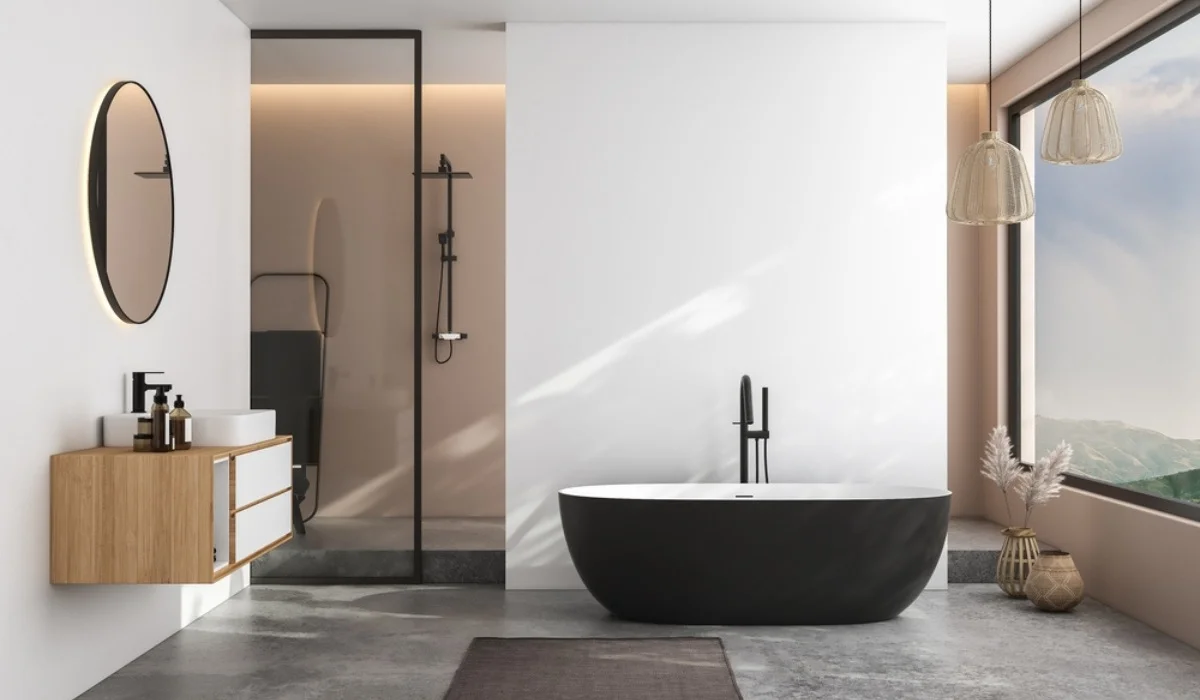
Freestanding bathtubs
These bathes are standalone and probably you want one for your bathroom to make a statement. Perfect for large bathrooms. Bob Vila suggests that they can make a space feel more like paradise but are less efficient as well as inferior, regarding square footage.

Alcove bathtubs
If you are a little tight on space then an alcove bathtub will do. It fits neatly into three walls, thus it is a very practical and space efficient setup.

Jacuzzi
How about a little relief for those sore muscles? The whirlpool tubs are fitted with massage jets providing you a spa-like experience where the stress and exhaustion of everyday life can be easily eased.
The type youre going to place depends on the size of your bathroom, how you want it to look and what exactly are you using one for. Your needs regarding space and lifestyle might differ — if you’re remodeling, or building from scratch.

What to Seek in Materials and Durability when choosing a Bathtub
Among the key factors that decide how durable and easy-to-maintain your bathtub is, material choice sits atop. The most frequently used materials are given a brief explanation below.
Acrylic
These bathtubs are made of acrylic which is cheap and also lighter than cast iron. They are easy to install, and there they come in different shapes and colors. The best part about acrylic is how hard-wearing it is, providing excellent protection from chipping and cracking to make the perfect everyday top coat. It can, however scratch if abrasive cleaners are used.

Stone
Stone bathtubs, such as marble or granite, offer a luxurious, high-end look. They retain heat well but are extremely heavy and expensive, often requiring reinforced flooring.
Cast Iron
Cast iron is probably the best option for a timeless, sturdy skillet. Enamelled bathtubs are very durable and keep the heat longer for luxurious soaking. They are super heavy and may need reinforced flooring.A cast iron batntub can last decades if cared for properly.
Fiberglass
It is cheapest of all others but it not as strong and durable as Acrylic or Cast Iron. It’s light weight,so easy to install, but unfortunately, it fades and cracksacket. Use fiberglass where traffic is relatively low, such as in guest spaces or bathrooms.
Porcelain Enameled Steel
Porcelain-enameled steel Clean and shining, cheaper than cast iron. It is very easy to clean, however if something heavy were to fall into the bathtub it can chip. Is it cheap cast iron clad in enamel? It is an ideal middle ground for those that want the appearance of cast iron but not necessarily having to pay the price.
What type of material you should buy and use also depends on your budget, as well as how much the bathroom is being used by all occupants. When choosing garage doors styles consider durability, maintenance and style to get the right fit for your need!
Size & Shape, Finding the perfect Bathtub
Choosing a bathtub that is the best size and shape for your bathroom layout makes it comfortable, puts in place whatever shared restrictions or design poetry you are working to overcome. So, what should you consider?
Size
Regular tubs measure 60 inches long, is between 30 to34 inches wide and about onlyIt stands at a depth of spaninches deep. If you have room to breathe, then larger options are available. Bob Vila says some soaking tubs are as long as 72 inches, so you can relax and enjoy. Before you purchase your tub, take a moment to measure both the space in which it will rest and also determine if the tub can fit through any doors for ease of installation.
Shape
The elegance and functionality of your bathroom are affected by the shapes of bathtubs. Some popular choices include:
- Oval Tubs :A softer, more luxurious look is better with an oval tub. Curved edgs mean they typically feel more spacious.
- Corner Tubs:Picking out the perfect size and shape is all about finding that middle ground between your bathroom dimensions, on one hand, with what best suits how you like to bathe. Are you interested in a big soaking tub or do keep the space by using an rectangular and corner placement model? These are the things to keep in mind before making your decision.

Types of Installation: What Should You Choose?
Selecting the ideal bathtub is just half of the fight — after that comes how you install it, something which affects both your bathroom look and performance. So here, we tend to break down the most common installation options on the market.
Alcove Installation
Small alcove bathtubs are the most affordable. They fit in a three-wall enclosure (exposed only the front side; taking up less floor space). This is a space-saving type, and it can be combined with the shower. It is practical for small homes, so it continues to be a popular choice of many families.
Freestanding Installation
A freestanding tub makes a statement. You can place this type anywhere in the bathroom, wall support is not necessary for it. Ideal for larger spaces, free-standing tubs make a statement creating either a contemporary or modern vintage feel.
Drop-In Installation
It is installed on a platform or deck, dropping into the space and leaves rims exposed. With this design, you have more room to experiment since it will give a cleaner spa look. Homes & Gardens said drop-in tubs feel more luxurious and are good for a bathroom upgrade.

Undermount Installation
Just like drop-in, but the lip of the tub is obscured by a shell or deck that creates an integrated finish with no joints. It make the space a kind of minimalist bathroom design.
Your choice will depend on how much space you have available and the style of your bathroom. Are you concerned with functionality or do you want to be pampered by your space? It will help change the bathroom design and function in a big way.
Top Features to Look Out for: how you can get the most out of your new bathtub
Features are just as important when buying a tub, not only size and shape. But even if you can find one, it’s still not as fully loaded with features; and here is a list of the most important factors.
Water Jets
If relaxation is the goal, a jetted soaking tub may be more your speed. The tubs have a massaging effect to relax tired and stress out muscles. But with a few catches: they tend to be more high-maintenance and harder on your water bill than regular bathtubs.
Heated Surfaces
Never sit in a cold tub again! Warm surfaces help to maintain the temperature of your water, which can enhance how enjoyable it is soakingstdcall 0×300… →Read More Definitely a worthwhile option to consider if comfort ranks high on your list.
Non-Slip Floors
Safety first! Safety is paramount, and non-slip surfaces are a must, to those with young families or older members. It comes standard in many alcove and walk-in bathtubs.
Headrests & Armrests
Need more comfort? Long soaks may get old fast, unless you have built-in headrests and armrest. They provide that extra relaxation layer without being too bulky.
Faucet Positioning
Most tubs will have pre-drilled holes for the faucets, but some can be placed wherever you prefer. It will depend on the layout of your bathroom.
Whether luxury or down to earth, the correct highlights can improve your restroom experience. These are only a few things to discuss but give thought to your normal day and what features will make it easier for you in the bath!
Budget and Maintenance: Lay Out the Long-Term Plans
When it comes to tubs, not only is the initial cost significant but also ongoing care. Here’s how to balance both.
Budget Considerations
Bathtubs range in price from a few hundred dollars to many thousands. Acrylic and fiberglass: The cheapest you can buy, most costing between $300 to $800. While these cast iron and stone bathtubs are sturdier, you can expect to pay more than $2,000 or more because of added durability. Also, consider the installation expense too as freestanding or customized designs tend to cost more.
Maintenance Requirements
You may end up having trouble with the bathtub maintenance in this situation, which will affect your long-term satisfaction level. Acrylic and fiberglass tubs are easy to clean; however, they tend to scratch or discolor over time. Avoid abrasives as they can damage. Cast iron tubs on the other hand are much heavier, but they have an enamel coating that must be resealed from time to time. However, stone tubs have to be sealed often to help prevent staining.

Water Usage and Heating
Soaking and whirlpool tubs provide a relaxing soak, but they will use significantly more water than an average shower or bath, as well as increase your energy costs. Bob Vila says these tubs can use as much water as 80 gallons, which could potentially cause stress to your hot water heater. Make sure your house is up to the challenge.
So, manage your budget and maintenance cost effectively to get both affordable as well durable bathtub that suits you best.
Conclusion
Choose a bathtub that will help conserve energy and water as well. Larger tubs such as whirlpools require more water—up to 80 gallons—costing you both on the amount spent and in heating. Using smaller tubs or installing eco-friendly fittings like low-flow faucets can help save up to 30% of water wastage from our homes. Acrylic and fiberglass holds in the heat, saving you money on energy. While lush soaks are tantalizing, laying the correct balance of water usage and energy costs is the foundation for an optimized sustainable bathroom experience.
It is so vital to choose the bath tub well as it will play a pivotal role in both style-wise, but comfort, and efficiency. From alcove to freestanding tubs, there’s a perfect solution for every home and budget, if you know what to look for. Luxurious soaking, or practical walk-in, there is a tub out there that will fit your needs and lifestyle.
Think about the materials (like wood, glass or aluminum), size and installation type among other factors. Again, professional opinion may vary — cast iron can last decades while acrylic is more economical and simpler to install. And before you make a decision, factor in lifetime maintenance and energy costs!
PA Home offers bathtubs that combine affordability with a wide variety of designs. Our tubs are priced competitively, making it easy to find a high-quality option without stretching your budget. Whether you prefer modern or traditional styles, we have an extensive range of options, including freestanding, alcove, and soaking tubs. Additionally, PA Home bathtubs are available in multiple materials such as acrylic and artifical stone, allowing you to choose based on your preferences and needs. With our blend of affordable pricing and diverse styles, PA Home bathtubs are the perfect fit for any bathroom upgrade,and also provides a one-stop bathroom solution.

At the end of the day, all you need in a bathtub are relaxation and utility. Therefore, consider in your own time and do research on which bathtub turns you bathroom into a personal piece of heaven. Happy soaking!
FAQS
1. What is the best material for a bathtub?
The best material depends on your needs. Acrylic is lightweight, affordable, and easy to maintain, making it a popular choice. Cast iron tubs are extremely durable and retain heat well, but they are heavier and more expensive. Fiberglass is a budget-friendly option, though less durable. Choose based on your budget, durability requirements, and design preferences.
2. How much water does a typical bathtub use?
A standard bathtub holds between 30 to 50 gallons of water, while larger soaking or whirlpool tubs can use up to 80 gallons. Be sure to consider water usage when selecting a tub, especially if energy efficiency is important to you.
3. What type of bathtub is best for a small bathroom?
For small bathrooms, alcove or corner tubs are space-saving options. They fit neatly into three-wall enclosures or corners, maximizing floor space while still providing a functional bathing experience.