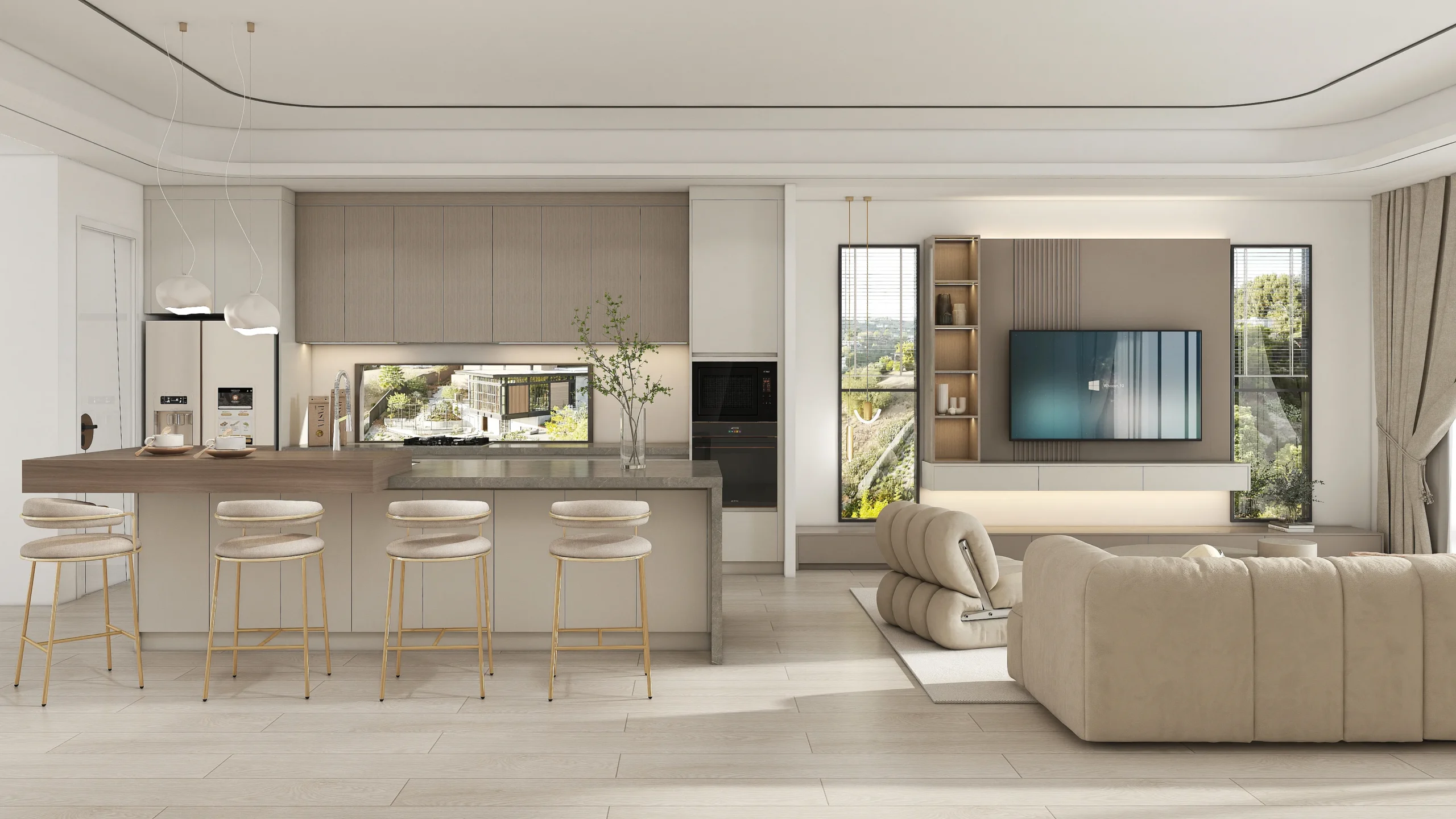
“Have nothing in your houses that you do not know to be useful, or believe to be beautiful.” — William Morris
A beautiful living room is not simply about choosing the right sofa or finding the perfect color palette. Often, it is the thoughtful details that make a space feel complete, and a well-designed living room cabinet is one of them. It can hide everyday clutter, showcase treasured objects, and bring a sense of balance to the entire room.
From sleek floating cabinets to characterful vintage finds, there are plenty of ways to combine storage with style. Whether you are furnishing a small apartment, updating an existing interior, or planning a custom media wall, these 10 living room cabinet ideas offer inspiration for different spaces, tastes, and lifestyles.
1
Built-In Living Room Cabinets
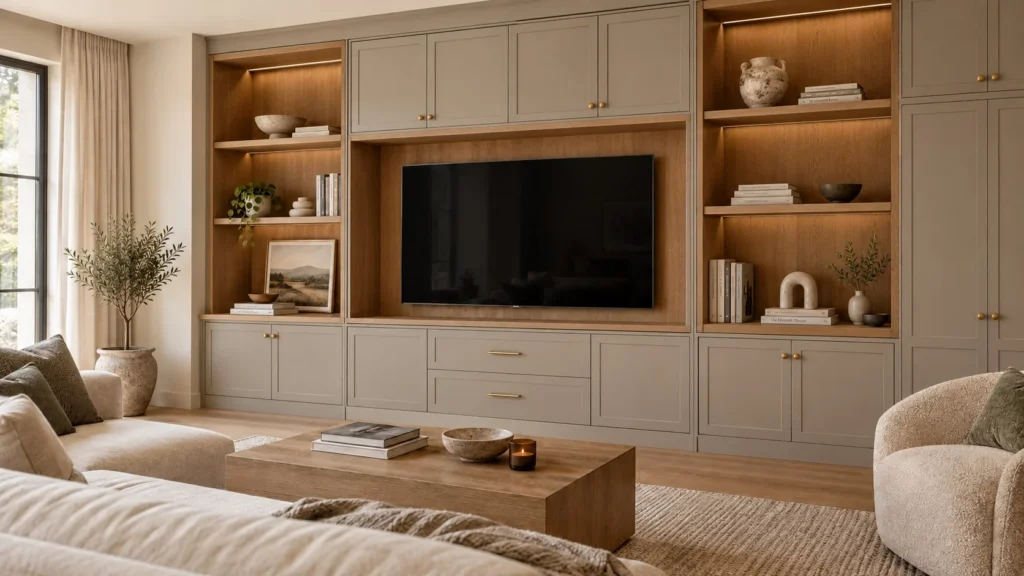
Built-in cabinets make use of wall space while giving a living room a cohesive, considered appearance. A floor-to-ceiling design can bring together closed cupboards, open shelving, and display niches, creating a home for everything from books and board games to decorative objects. For a subtle, architectural look, match the cabinet fronts to the walls. If you prefer more warmth and contrast, introduce natural wood or a different finish on the open shelves.
The secret to successful built-in storage is thoughtful proportion. A wall of cabinets can look impressive, but it should not overwhelm the room. Break up larger sections with open niches, vary the placement of shelves, and keep frequently used items within easy reach. The result is a practical living room storage solution that feels like part of the architecture rather than a collection of furniture.
2
Floating Living Room Cabinets
Floating cabinets are an excellent choice when you want a room to feel light and uncluttered. Mounted above the floor, they create a clean horizontal line and allow more of the flooring to remain visible. A long, handleless unit works beautifully beneath a television, while a smaller wall-mounted cabinet can provide discreet storage along an otherwise empty wall.
Although floating cabinets are often associated with minimalist interiors, they need not feel cold or stark. Natural oak, softly textured finishes, and warm lighting can make them feel inviting. In smaller living rooms, a shallow cabinet may be enough to store remotes, magazines, and everyday essentials without taking up valuable floor space. Just make sure the wall and fixings can safely support the cabinet and its contents.

3
Integrated TV Cabinet Designs
A television does not have to dominate the living room. With a thoughtfully designed TV cabinet, the screen can sit naturally within a wider composition of storage, wall panels, and display shelves. Some homeowners prefer a simple low console that keeps the focus on the television and surrounding artwork; others opt for a full media wall with concealed cupboards and carefully positioned niches.
When exploring living hall TV cabinet designs, consider the entire viewing area rather than the cabinet alone. The unit should feel proportionate to the screen and the wall, while its finishes should complement the sofa, flooring, and other furniture. Practical details matter, too: plan cable management in advance, allow sufficient ventilation for electronic equipment, and avoid placing decorative objects where they interfere with the screen or remote controls.

4
Open Shelving and Closed Cabinets
Some belongings deserve to be seen; others are better kept out of sight. Combining open shelving with closed cabinets gives you room for both. Books, framed photographs, ceramics, and favorite objects can bring personality to the shelves, while drawers and cupboard doors hide the everyday items that would otherwise make the living room feel untidy.
The balance between the two is what makes this arrangement work. Too many open shelves can create visual clutter, while an uninterrupted wall of solid doors may feel flat. Try placing closed storage along the bottom and reserving the upper sections for a more selective display. A mix of wood and painted finishes can add further interest without making the design feel busy. For households that want attractive living room storage ideas without sacrificing practicality, this combination is a dependable choice.

5
Glass-Front Living Room Cabinets
Glass-front cabinets offer a lovely middle ground between open display and concealed storage. They allow treasured objects to remain visible while providing a little protection from dust. Clear glass creates an airy, traditional feel, while smoked glass can give a contemporary living room a more understated, sophisticated character. Slim metal frames or warm timber surrounds further change the mood of the design.
Think carefully about what you want the cabinet to display. A collection of ceramics, a few well-loved books, or objects gathered during travels will usually make a stronger impression than shelves packed from end to end. Subtle interior lighting can highlight the arrangement in the evening, especially when the cabinet sits against a darker wall. If you have young children, consider the placement of fragile objects and choose suitable safety glass where appropriate.

6
Corner Cabinets That Make Use of Awkward Spaces
An empty corner can be surprisingly useful, particularly in a small living room where every inch counts. A corner cabinet can provide a home for books, decorative pieces, games, or household essentials without taking over the main seating area. Depending on the layout, you might choose a freestanding cabinet, a narrow floor-to-ceiling unit, or custom shelving fitted neatly between two walls.
The best design is one that works with the surrounding furniture rather than simply filling an empty space. In a bright corner near a window, open shelving can keep the arrangement feeling light. In a busier part of the room, closed doors may be more useful for hiding clutter. Before choosing a corner cabinet for your living room, check that doors can open comfortably and that the unit will not interfere with curtains, walkways, or nearby seating.

7
Under-Window Cabinets and Window Seats
The space beneath a window can offer more than a place for a radiator or a decorative plant. Low cabinets fitted along the wall can provide discreet storage while keeping the room open and bright. Where the proportions allow, the cabinetry can be extended into a window seat, creating a comfortable reading corner with room underneath for blankets, books, or board games.
For a seamless appearance, choose a finish that complements the window frames, flooring, or wall color. A cushioned seat adds softness to the straight lines of the cabinetry, while a few cushions can introduce color without overwhelming the space. Before committing to the design, check the window height, opening mechanism, and the position of any radiators or ventilation outlets. Good living room storage should make better use of the space without compromising comfort or natural light.

8
Modular Living Room Cabinets
Modular cabinets offer flexibility for homes that need to adapt over time. Individual units can be combined to create a low sideboard, a media console, or a larger wall arrangement with a mixture of open shelves and enclosed storage. This makes them particularly useful for renters, growing families, and homeowners who would rather avoid committing to a fully custom installation.
A modular system can still feel personal. Combine different unit heights, leave a little breathing room between sections, or introduce a contrasting finish to break up a repetitive arrangement. Before buying, measure the available wall space and check the dimensions of each module, including its depth. It is also worth considering whether additional units can be purchased later. Well-chosen wall units for the living room can evolve with your needs rather than becoming furniture you outgrow.

9
Natural Wood Living Room Cabinets
Natural wood brings a quality to a living room that is difficult to replicate: warmth, texture, and subtle variation. Pale oak and ash work well in light, relaxed interiors, while walnut and darker timber finishes can add depth to a room with cream walls, textured fabrics, or stone accents. Rather than treating the cabinet as a purely functional piece, let the grain and material become part of the overall design.
You do not necessarily need an entire wall of cabinetry to make an impact. A beautifully proportioned wooden sideboard can anchor a seating area, provide useful storage, and create a surface for a table lamp, artwork, or a small collection of objects. If the room already contains wood flooring or other timber furniture, look at the undertones of each finish. Different shades can work together beautifully, provided they feel intentional rather than accidentally mismatched.

10
Vintage and Statement Living Room Cabinets
Not every living room cabinet needs to be built in or bought as part of a matching furniture set. A vintage sideboard, an antique display cabinet, or a distinctive piece with sculptural doors can introduce character and make a room feel more individual. These pieces often work best against a relatively simple backdrop, where their craftsmanship, patina, or unusual proportions have space to stand out.
There is also no need to leave an older cabinet exactly as you found it. Replacing the handles, refreshing the finish, or styling it with contemporary lighting can help it sit comfortably in a modern home. If you already own a piece of furniture you love, consider whether it could serve as a cabinet in the living room before buying something new. Reusing good-quality furniture can be both budget-friendly and a more sustainable approach to decorating.

Finding More Living Room Storage Designs?
The right living room cabinet should balance style, storage, and everyday functionality. Whether you prefer sleek minimalist units or timeless natural wood, PA Home can help you create a living space that feels uniquely yours. Contact PA Home today to explore custom cabinet solutions tailored to your space and needs.
FAQs About Living Hall Cabinets
The best living room cabinet depends on your space, storage needs, and interior style. Built-in cabinets work well for maximizing storage, floating cabinets create a lighter look, and freestanding cabinets offer flexibility. For a balanced design, consider combining closed storage with a few open shelves for displaying books and decorative pieces.
Measure the available wall space, ceiling height, and walking paths before choosing a cabinet. A long, low cabinet can make a small living room feel more spacious, while floor-to-ceiling units make use of vertical space. If you plan to place a TV above or within the cabinet, ensure the proportions are comfortable for viewing.
Wood and wood veneers are popular for their warmth and versatility, while MDF and plywood are commonly used for painted finishes and custom cabinetry. Glass can add visual lightness, and metal accents introduce a contemporary touch. The right choice depends on your budget, desired appearance, durability requirements, and maintenance preferences.
The cost of custom living room cabinets varies depending on dimensions, materials, finishes, hardware, storage features, and installation requirements. Simple floating cabinets generally require less material than a full wall of built-in cabinetry. Requesting a detailed quotation based on your room measurements and design preferences is the best way to establish a realistic budget.
Yes. Custom living room cabinets can be tailored in terms of size, layout, color, material, door style, hardware, and lighting. Whether you prefer minimalist cabinetry, natural wood finishes, or a more classic statement piece, customization helps create a cohesive look that complements the rest of your home.
PA Home offers cabinetry and interior furnishing solutions for different project requirements. If you’re planning a living room renovation or a new interior project, you can contact PA Home to discuss your preferred style, space requirements, materials, and customization options.