Choosing the right building materials can have a major impact on a project’s cost, quality, and efficiency. As global sourcing becomes more common, more construction companies are turning to China for reliable suppliers, competitive solutions, and customized manufacturing options.
But why has China become such an important source for building materials?
1. A Complete Supply Chain Makes Sourcing More Efficient
One of China’s biggest strengths in the building materials industry is its complete supply chain.
Many countries have excellent manufacturers in specific categories, but China has developed large-scale industrial clusters covering a wide range of construction products. Buyers can source everything from finishing materials to architectural components through a well-connected manufacturing network.
For example, a hotel project may require tiles, bathroom fixtures, lighting, windows, doors, furniture, and decorative materials. Instead of purchasing each category from different markets, project owners can often work with Chinese suppliers who specialize in these products and coordinate production more efficiently.
This reduces communication costs and makes project management easier, especially for large developments that require consistent quality and scheduled deliveries.
2. Competitive Pricing with More Choices
Cost control is one of the most important factors in any construction project.
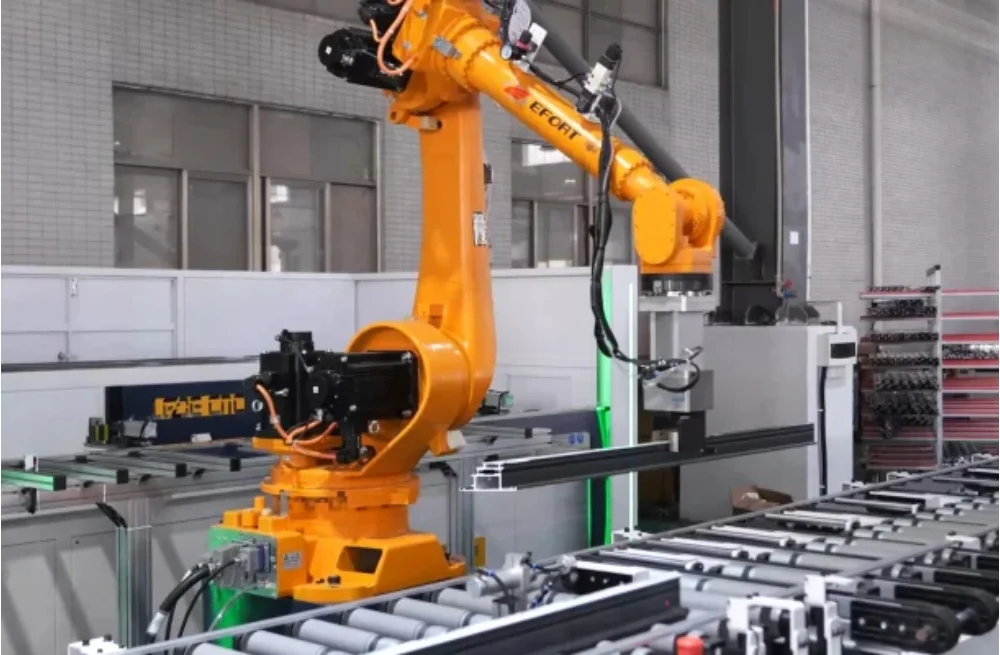
China’s large manufacturing base allows many factories to achieve efficient production through economies of scale. As a result, international buyers can often find competitive pricing across a wide range of building materials.
However, the real advantage is not just about cheaper products.
Compared with many local markets, Chinese suppliers often provide more choices in terms of design, materials, finishes, and specifications. A buyer is not limited to standard products available in local stores but can usually compare different solutions based on the project’s requirements and budget.
For construction companies, this flexibility can be especially valuable when working on projects that require large quantities or specific design concepts.
3. Custom Manufacturing Supports Unique Project Designs
Modern architecture increasingly focuses on creating distinctive spaces. Standard products may not always meet the expectations of developers, architects, or interior designers.
This is where Chinese manufacturers often provide additional value.
Many suppliers offer OEM and ODM services, allowing customers to customize products according to their project needs. Depending on the product category, customization may include dimensions, colors, materials, finishes, or functional features.
For example, a hotel developer may need bathroom products that match a specific interior style, or a residential project may require customized doors and windows to meet local design standards.
Working directly with manufacturers gives project owners more control over the final result.

4. Manufacturing Capacity for Large-Scale Projects
Large construction projects require suppliers that can provide stable production and reliable delivery.
China’s manufacturing industry has significant experience handling international orders, including high-volume production and export logistics. Many suppliers are familiar with overseas project requirements and can support everything from sample approval to bulk manufacturing.
According to the International Trade Administration, China remains one of the world’s largest construction markets, supported by a broad manufacturing and industrial ecosystem.
For overseas buyers, this means access to suppliers with experience serving different international markets rather than only producing for domestic customers.
5. Quality Control Should Always Come Before Price
Although importing building materials from China offers many advantages, choosing the right supplier is one of the most important steps in the purchasing process.
The biggest mistake many buyers make is focusing only on the lowest quotation. A cheaper price does not always mean better value. Product quality, production capability, communication efficiency, and compliance with local standards are equally important.
Before working with a supplier, international buyers should evaluate several key factors:
| Key Factor | What Buyers Should Check |
|---|---|
| Factory Experience | Production history, export experience, and previous international projects |
| Product Quality | Samples, material specifications, testing reports, and quality consistency |
| Certifications & Standards | Whether products meet local building codes and required certifications |
| Production Capacity | Ability to handle project volume and maintain delivery schedules |
| Quality Inspection | Availability of factory inspections or third-party inspection before shipment |
A reliable supplier should not only offer competitive pricing but also provide stable quality and professional support throughout the project.
For large construction projects, establishing a clear quality control process before production can help reduce risks such as delays, product replacement costs, or installation problems after delivery.

6. Logistics and Standards Need Careful Planning
Unlike small consumer products, building materials are often heavy, fragile, or oversized. Transportation planning can have a significant impact on the final project cost.
Before importing, buyers should evaluate factors such as shipping methods, container requirements, customs procedures, and delivery schedules.
Another important consideration is compliance with local standards. Building regulations vary between countries, and materials may need to meet specific requirements related to safety, performance, or environmental protection.
A successful import project requires coordination between the supplier, logistics provider, and construction team.
7. Which Projects Benefit Most from Importing from China?
Importing building materials from China can be particularly suitable for projects that require a wide range of products, customized solutions, or large-volume orders.
Common examples include:
- Residential developments
- Hotels and resorts
- Commercial buildings
- Luxury villas
- Renovation projects
- Modular construction projects
For smaller projects, local sourcing may sometimes be more convenient. However, for larger developments, international sourcing can provide access to more options and greater flexibility.
Choosing the Right China Building Materials Partner

Importing building materials from China can provide international construction companies with more options, competitive costs, and flexible manufacturing solutions. However, the success of a project depends on choosing a reliable supplier with strong production capabilities and experience in overseas markets.
As one of China’s well-known home manufacturing companies, PA Home has extensive experience in whole-house customization and integrated home solutions. From customized cabinets and wardrobes to complete home furnishing solutions, PA Home supports overseas projects with professional manufacturing capabilities and project experience.
If you are looking for a reliable partner for whole-house manufacturing or customized building material solutions in China, feel free to contact us. Our team is ready to help you explore suitable solutions for your project.
FAQs
Importing building materials from China can help reduce overall project costs, especially for large-volume orders or customized projects. However, the final cost depends on several factors, including product type, order quantity, shipping fees, import duties, and local requirements.
A professional evaluation should consider the total project cost rather than only the factory price.
China supplies a wide range of construction and home furnishing products, including tiles, sanitary ware, doors and windows, lighting products, flooring, cabinets, wardrobes, furniture, hardware, and customized interior solutions.
For projects requiring multiple product categories, working with a supplier that provides integrated manufacturing can simplify procurement.
A reliable supplier should have proven manufacturing experience, export experience, quality control procedures, and the ability to meet your project requirements.
Before placing an order, buyers should review product samples, verify factory capabilities, confirm certifications, and discuss inspection procedures.
Quality control should start before production. Buyers can reduce risks by approving samples, confirming technical specifications, conducting factory inspections, and arranging third-party inspections before shipment.
Clear communication about standards and expectations is essential for international projects.
The timeline depends on the product category, production requirements, order quantity, and shipping destination.
Standard products may have shorter lead times, while customized products usually require additional time for design confirmation, sample approval, and manufacturing.
Working directly with a Chinese whole-house manufacturer can provide advantages such as integrated production, customization flexibility, consistent product coordination, and more efficient project management.
For developers, builders, and designers, this approach can simplify the sourcing process by reducing the need to manage multiple separate suppliers.