Home / Blog / European Style Kitchen Cabinets: The Ultimate Guide for Modern Kitchen Design

European Style Kitchen Cabinets: The Ultimate Guide for Modern Kitchen Design

Table of Contents

Looking for a kitchen cabinet style that combines modern aesthetics, smart functionality, and efficient use of space? European style kitchen cabinets have become increasingly popular in contemporary kitchens thanks to their minimalist appearance, innovative storage solutions, and high-quality construction. This guide will explore the key features, styles, materials, costs, and buying considerations to help you choose the right European kitchen cabinets for your space.

What Are European Style Kitchen Cabinets?

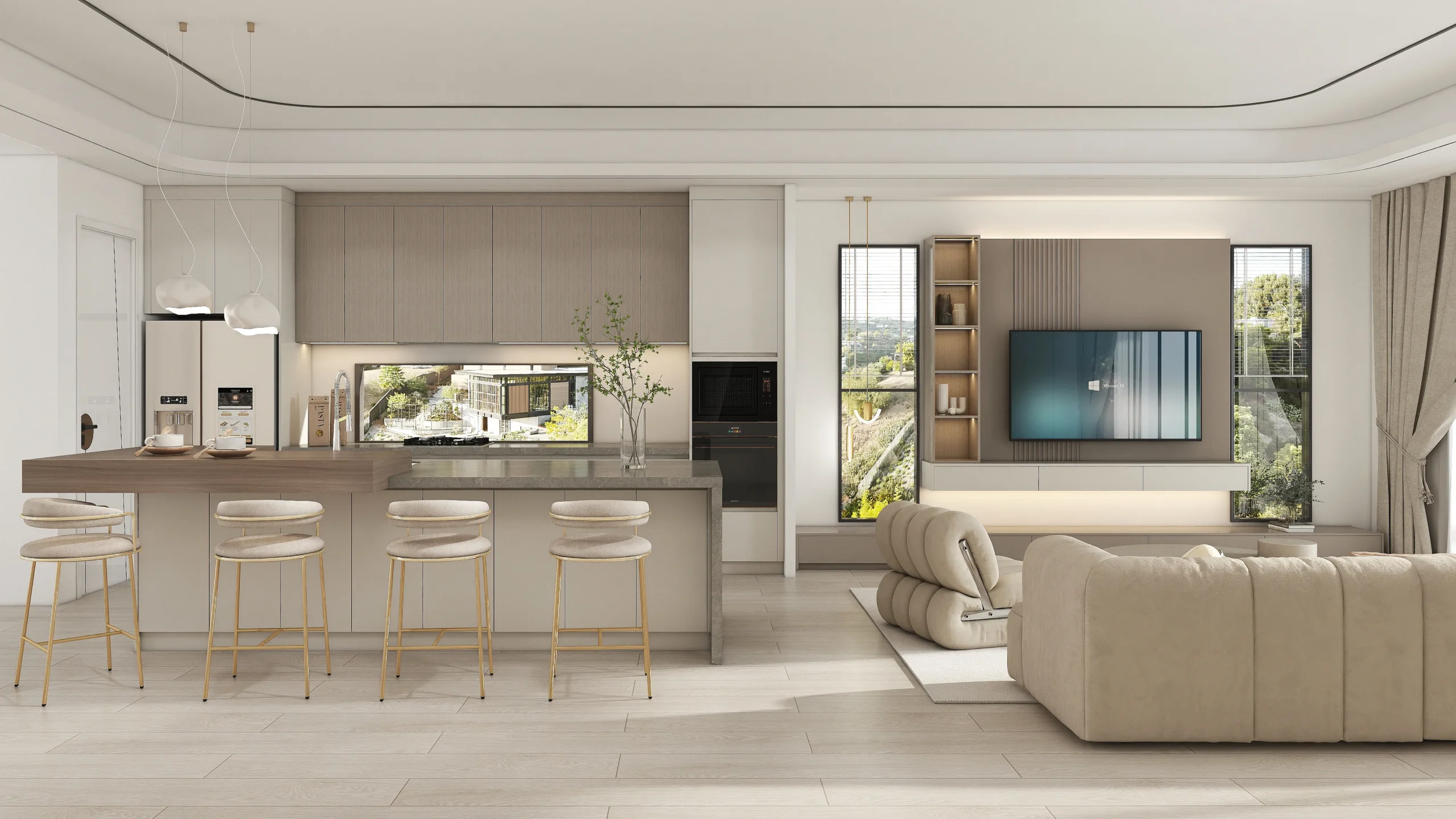
European style kitchen cabinets are modern kitchen cabinetry systems that focus on simplicity, functionality, and efficient use of space. Unlike traditional cabinet styles that often feature decorative details, European cabinets emphasize clean lines, minimalist aesthetics, and practical design.

Originating from modern European kitchen design, especially German and Italian design traditions, these cabinets are known for combining precision engineering with contemporary style. They are widely used in modern homes, apartments, and commercial projects where a sleek and organized kitchen environment is desired.

While European cabinets come in a variety of colors, materials, and finishes, they usually share a common design philosophy: creating a balance between appearance and everyday functionality. Their modern look, flexible layouts, and space-efficient features make them a popular choice for homeowners and designers worldwide.

High-End German Kitchen Cabinets

Key Design Features of European Kitchen Cabinets

European kitchen cabinets are known for their clean appearance, functional layouts, and modern design principles. While styles may vary, most European cabinets share several key features that define their unique look and performance.

Frameless Construction

Unlike traditional framed cabinets, European cabinets typically use a frameless structure, which removes the front frame and creates a seamless cabinet appearance. This design also provides better access to interior storage space and works well with modern kitchen layouts.

Full-Overlay Doors

Full-overlay doors cover the cabinet box almost completely, creating consistent lines and minimal gaps between doors and drawers. This feature gives European kitchens their clean and streamlined appearance.

Minimalist Cabinet Designs

European style kitchens often feature:

  • Flat-panel doors
  • Simple geometric shapes
  • Neutral colors
  • Smooth finishes

Instead of decorative details, the focus is on materials, proportions, and overall harmony.

Handleless and Integrated Designs

Handleless cabinets are a popular choice in modern European kitchens. Through push-to-open systems or integrated profiles, cabinets maintain a smooth surface and create a more unified look.

Efficient Storage Solutions

European kitchen cabinets are also designed around functionality. Features such as deep drawers, pull-out systems, and organized interior accessories help maximize available space and improve daily usability.

Popular European Kitchen Cabinet Styles

European kitchen cabinets are not limited to one specific look. Different European regions have developed their own approaches to materials, colors, and functionality.

1

German Style Kitchen Cabinets

German kitchen design focuses on precision, efficiency, and practical use. It is known for clean layouts, advanced hardware systems, and highly organized storage solutions.

Typical designs feature handleless cabinets, integrated appliances, flat-panel doors, and neutral finishes. This style is often chosen for modern kitchens that prioritize functionality and a streamlined appearance.

European Style Kitchen Cabinet-German Kitchen Cabinets
Italian Kitchen Cabinets

2

Italian Style Kitchen Cabinets

Italian kitchen cabinets place more emphasis on design expression and material aesthetics. They often combine refined finishes, unique textures, and carefully selected materials to create a more distinctive visual style.

Common choices include wood veneers, matte or glossy surfaces, and statement kitchen islands. Italian-style kitchens are often found in luxury residences and open-plan spaces where the kitchen becomes part of the overall interior design.

3

Scandinavian Style Kitchen Cabinets

Scandinavian kitchen design follows the principles of simplicity, warmth, and practicality. Light colors, natural wood elements, and uncluttered layouts are commonly used to create bright and comfortable spaces.

This style is especially suitable for apartments and smaller kitchens where creating a spacious feeling is important.

Scandinavian Kitchen Cabinets
Modern European Style Kitchen Cabinets

4

Modern European Style Kitchen Cabinets

Modern European kitchens combine different design influences while maintaining clean lines and functional layouts. Popular elements include matte finishes, handleless cabinets, integrated appliances, and customized storage solutions.

Best Materials Used in European Style Cabinets

The material used in European kitchen cabinets has a major impact on appearance, durability, maintenance, and overall cost. Modern European cabinetry often combines engineered materials with advanced surface finishes to achieve a balance between design, performance, and affordability.

Acrylic finish for European kitchen cabinets
Acrylic
FEATURES
Smooth surface, high gloss or matte finishes, and a modern appearance with strong visual impact.
BEST FOR
Modern European kitchens, handleless cabinets, and contemporary designs.
Wood veneer finish for European kitchen cabinets
Wood Veneer
FEATURES
Natural wood appearance with unique textures and a warm premium visual effect.
BEST FOR
Luxury European kitchens and contemporary interior designs.
MDF material for European kitchen cabinets
MDF
FEATURES
Smooth surface, stable structure, and excellent performance for painted and coated finishes.
BEST FOR
Lacquered doors, PET finishes, and minimalist cabinet designs.
Plywood material for European kitchen cabinets
Plywood
FEATURES
Strong layered structure, good durability, and better moisture resistance compared with standard boards.
BEST FOR
Premium kitchens and projects requiring long-term durability.
Particle board material for European kitchen cabinets
Particle Board
FEATURES
Cost-effective material commonly used in cabinet boxes with decorative finishes.
BEST FOR
Budget-friendly European cabinet projects and large-scale production.

European Cabinets vs Traditional American Cabinets

European style kitchen cabinets and traditional American cabinets represent two different approaches to kitchen design. European cabinets focus on minimalist aesthetics, efficient space utilization, and modern functionality, while traditional American cabinets often emphasize decorative details, framed construction, and classic styling.

Feature European Kitchen Cabinets Traditional American Cabinets
Construction Frameless construction with a seamless appearance and optimized interior space. Face-frame construction with visible cabinet frames and traditional structure.
Door Style Flat-panel and slab doors with minimalist profiles. Raised-panel doors and decorative profiles are more common.
Appearance Clean lines, simple forms, and modern aesthetics. More decorative details and classic visual styles.
Storage Space More usable interior space due to frameless cabinet design. Slightly less interior space because of face frames.
Hardware Hidden hinges, soft-close systems, and integrated solutions. More visible hardware and decorative accessories.
Kitchen Layout Designed for efficient, modern, and open-plan kitchens. Often designed around traditional kitchen layouts.

How Much Does European Style Kitchen Cabinet Cost?

The cost of European style kitchen cabinets can vary significantly depending on the cabinet materials, customization level, hardware quality, kitchen size, and installation requirements. On average, homeowners can expect to spend around $10,000 to $40,000+ for a complete European kitchen cabinet project, while luxury custom designs can exceed this range.

For more affordable projects, European-style cabinets made with materials such as MDF or particle board with quality finishes can provide a modern look at a lower price point. Mid-range options often combine durable cabinet boxes with upgraded finishes, better hardware, and customized storage solutions. High-end European kitchens typically use premium materials, advanced hardware systems, and fully customized designs, which significantly increase the overall investment.

Several factors influence the final cost of European kitchen cabinets:

Cost Factor How It Affects Cost
Cabinet Materials Premium materials such as plywood, wood veneer, and high-end finishes usually increase the overall price.
Cabinet Size Larger kitchens require more cabinets, storage systems, and installation work, which increases the total investment.
Customization Level Custom layouts, special finishes, and unique design requirements can add to the final cost.
Hardware Quality Soft-close hinges, advanced drawer systems, and premium accessories can affect cabinet pricing.
Installation Professional installation costs vary depending on project complexity, location, and labor requirements.

Compared with traditional cabinet styles, European cabinets may have a higher upfront cost because of their modern construction methods, advanced hardware, and customized design options. However, their efficient storage, durable finishes, and timeless appearance can provide long-term value for homeowners looking for a modern kitchen solution.

European Kitchen Cabinet Design Trends 2026

European kitchen cabinet trends in 2026 focus on creating spaces that combine clean aesthetics, practical functionality, and a warmer living atmosphere. Modern designs are moving beyond simple minimalism by introducing natural materials, smart features, and personalized solutions.

Warm minimalist European kitchen cabinet design
1

Warm Minimalism

Modern European kitchens are shifting from cold white interiors toward warmer neutral tones. Beige, taupe, soft gray, and natural textures create a minimalist look while making kitchens feel more comfortable.

Natural wood and mixed materials European kitchen cabinets
2

Natural Wood and Mixed Materials

Wood veneer, oak finishes, and textured surfaces are becoming popular choices for adding warmth and depth. Combining wood elements with matte finishes or stone surfaces creates a balanced contemporary style.

Handleless European kitchen cabinet design
3

Handleless Cabinet Designs

Handleless cabinets remain a key feature of European kitchens. Integrated handles, push-to-open systems, and hidden hardware help create clean surfaces and a seamless appearance.

Smart storage and integrated appliances in European kitchens
4

Smart Storage and Integrated Appliances

Modern European kitchens focus on efficiency through better organization and hidden technology. Integrated appliances, customized storage systems, and smart accessories help maximize space.

How to Choose European Kitchen Cabinets?

Choosing European kitchen cabinets requires balancing design, functionality, materials, and budget. The right choice should not only match your interior style but also support your daily kitchen needs.

1

Consider Your Kitchen Space

Start with your kitchen layout, available space, and storage requirements. European cabinets are known for efficient designs, making them suitable for both compact kitchens and open-plan spaces.

2

Select the Right Materials and Finishes

Materials affect durability, appearance, and maintenance. MDF, wood veneer, plywood, and acrylic finishes are common choices, with each offering different benefits depending on your budget and design preferences.

3

Focus on Storage and Functionality

Look beyond cabinet appearance and consider practical features such as deep drawers, pull-out systems, integrated organizers, and smart storage solutions. Good cabinet design should make everyday use easier.

4

Choose a Reliable Supplier

A quality supplier should provide clear material information, customization options, professional support, and reliable installation services. Working with an experienced manufacturer can help ensure better results and long-term value.

Where to Buy European Kitchen Cabinets?

European kitchen cabinets can be purchased from local showrooms, online cabinet suppliers, or direct manufacturers. While showrooms allow you to view materials and finishes in person, working directly with a manufacturer often provides more customization options and better pricing flexibility.

When choosing a supplier, consider factors such as cabinet materials, manufacturing experience, customization capabilities, hardware quality, and after-sales support. A reliable supplier should be able to provide clear product information and help create a kitchen design that fits your space and lifestyle.

For homeowners looking for modern European kitchen solutions, PA Home offers customized cabinet designs with a wide range of styles, finishes, and material options. From minimalist handleless kitchens to warm wood-inspired designs, PA Home helps create functional and stylish kitchen spaces tailored to different needs. Contact us now!

FAQs about European Style Kitchen Cabinets

Are European kitchen cabinets better than American cabinets?

European cabinets and American cabinets have different design approaches. European cabinets usually offer a more streamlined appearance, better interior space utilization, and modern functionality, while traditional American cabinets often focus more on decorative details and classic styles.

Are European kitchen cabinets good for small kitchens?

Yes. European cabinets are often a good choice for small kitchens because of their frameless construction and efficient storage designs. Features such as handleless doors, deep drawers, and integrated storage systems can help maximize available space.

Are European kitchen cabinets more expensive than traditional cabinets?

European kitchen cabinets can have a higher upfront cost because of their modern construction, advanced hardware systems, and customization options. However, the final price depends on the materials, finishes, cabinet size, and supplier.

What makes European kitchen cabinets different?

The main differences are frameless construction, minimalist door designs, efficient storage systems, and a focus on clean, functional layouts. European cabinets are designed to create a seamless and modern kitchen appearance.

Do European kitchen cabinets require special maintenance?

European kitchen cabinets are generally easy to maintain. Regular cleaning with a soft cloth and mild cleaner is usually enough, while the maintenance requirements may vary depending on the surface finish, such as wood veneer, acrylic, or painted MDF.

How long do European kitchen cabinets last?

The lifespan of European kitchen cabinets depends on material quality, construction methods, and usage. High-quality cabinets with durable finishes and reliable hardware can last for many years with proper care.

PA Home
Marketing Specialist @PA Home

As a leading whole-home customization brand in China with over 18 years of in-depth industry experience, our content is crafted by our seasoned product and design experts, drawing from real insights gained while serving thousands of families.

Table of Contents

Inspired by This? Share it !

Get Your Free Custom Quote in 24 Hours

Our no-obligation quote includes a free 3D design preview, ensuring your kitchen is perfectly planned before you commit.

*100% Privacy Guaranteed

PA-Logo

#1 Quality Certified Cabinet Manufacturer, We Create Custom Solutions to Fit Your Needs

Get Your Free Quote

PA One Stop Solutions in 2026

Download 2026 New Whole House Design Catalog