When sunlight passes through colorful stained glass and casts a kaleidoscope of shadows across ancient stone walls, Gothic windows become more than architectural elements — they become a timeless dialogue between light, art, and history.
Born in the medieval era, Gothic windows create a distinctive visual language through pointed arches, stone tracery, and richly colored glass. They once illuminated the soaring interiors of Notre-Dame de Paris and filled Chartres Cathedral with its unforgettable blue glow. Every pattern carved in stone and every piece of glass reflects the craftsmanship of artisans and the era’s pursuit of beauty and faith.
Today, Gothic windows continue to inspire modern architecture and residential design, reimagined through their elegant proportions and unique artistic character.
What Is a Gothic Window?
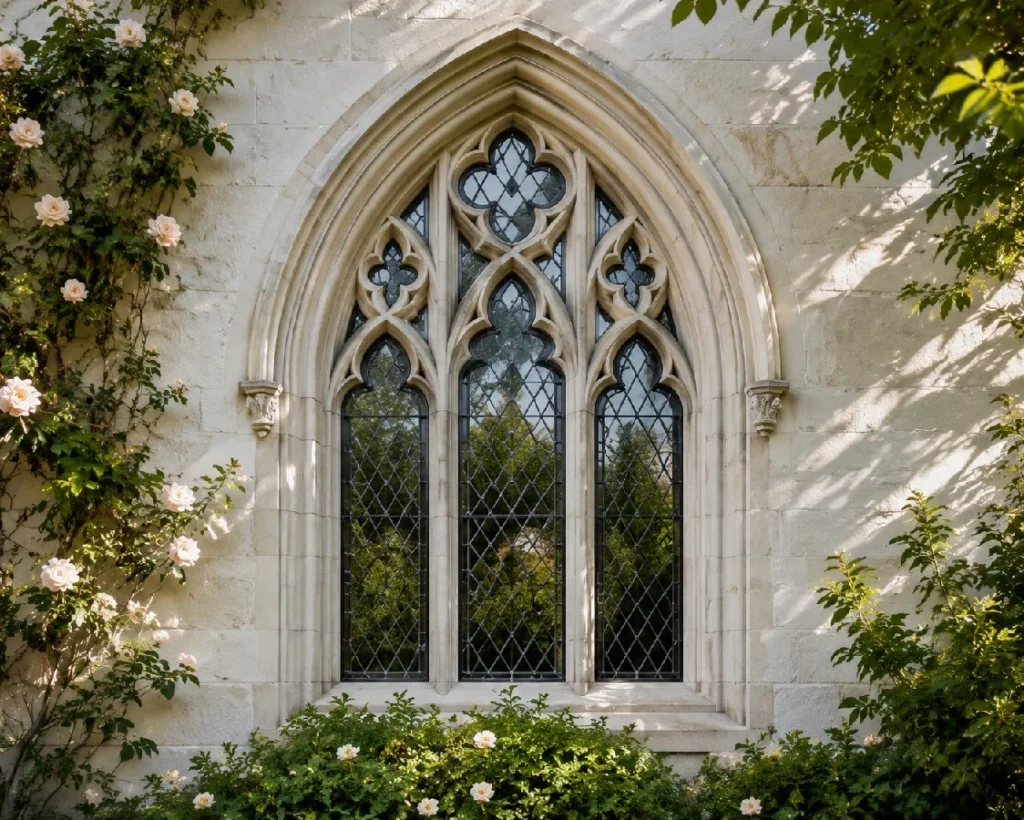
A Gothic window is an architectural window style recognized by its pointed arches, vertical proportions, and decorative tracery. Unlike traditional rectangular or rounded-arch windows, Gothic windows are designed to create a stronger sense of height, elegance, and visual movement.
The most distinctive feature of a Gothic window is the pointed arch, which gives the window its characteristic upward-reaching appearance. Another important element is tracery, the decorative framework that divides the window into intricate patterns and adds both structure and artistic detail.
Common features of Gothic windows include:
| Feature | Description |
|---|---|
| Pointed arch | Creates the signature Gothic silhouette and vertical emphasis |
| Tracery | Decorative stone patterns that divide and enhance the window |
| Mullions | Vertical supports separating different sections of the window |
| Stained glass | Adds color, storytelling, and artistic expression |
History of Gothic Window
The development of Gothic windows reflects the evolution of Gothic architecture itself — from simple openings designed for light into increasingly complex works of architectural art.
Early Gothic windows appeared in the 12th century and were often characterized by tall, narrow lancet windows with pointed arches. As construction techniques improved, architects began creating larger openings and introducing more elaborate tracery, allowing windows to become more decorative and expressive.
During the later Gothic periods, window designs became increasingly diverse across Europe. Different regions developed their own interpretations, from the elegant stained glass windows of French Gothic cathedrals to the highly vertical designs of English Perpendicular Gothic architecture.
In the 18th and 19th centuries, the Gothic Revival movement brought these historic elements back into popularity. Pointed arches, decorative tracery, and Gothic-inspired windows were adapted for homes, public buildings, and modern architectural projects.
Today, Gothic windows continue to evolve, combining traditional craftsmanship with contemporary design approaches.
Gothic Windows Across Europe: French, English, German, and Italian Styles
Although Gothic windows share common elements such as pointed arches and decorative tracery, different regions developed their own interpretations based on local architectural traditions and artistic preferences. Here are some samples for your reference!

French Gothic Windows
Key Features
- Large stained glass windows
- Rose windows
- Delicate tracery
- Strong emphasis on light
Architectural Character
French Gothic windows are known for their elegant proportions and their ability to transform natural light into a dramatic architectural experience.
Famous Examples
Notre-Dame de Paris
Chartres Cathedral

English Gothic Windows
Key Features
- Tall vertical proportions
- Lancet windows
- Perpendicular tracery
- Large east windows
Architectural Character
English Gothic windows emphasize vertical lines, structured patterns, and a strong sense of height.
Famous Examples
York Minster
Gloucester Cathedral

German Gothic Windows
Key Features
- Impressive scale
- Complex tracery
- Rich decorative details
Architectural Character
German Gothic windows often complement monumental cathedrals with dramatic scale and powerful vertical expressions.
Famous Example
Cologne Cathedral

Italian Gothic Windows
Key Features
- Decorative stone framing
- Balanced proportions
- Rich colors and ornamentation
Architectural Character
Italian Gothic windows combine Gothic influences with local artistic traditions, creating a more decorative and balanced style.
Famous Example
Milan Cathedral
Types of Gothic Windows
Gothic windows come in a wide range of forms, from simple medieval openings to highly decorative architectural features. They can be classified by their shape, decorative patterns, historical influences, and modern interpretations.
While some designs are closely associated with medieval Gothic architecture, others have evolved through the Gothic Revival movement and contemporary design. Below are some of the most recognizable types of Gothic windows.
1
Lancet Windows
Lancet windows are among the earliest forms of Gothic windows. They feature tall, narrow openings topped with pointed arches and are known for their simple yet elegant vertical appearance.
Commonly found in Early Gothic architecture, lancet windows emphasize height and light rather than complex decoration. Their clean proportions became the foundation for many later Gothic window designs.
Key Features:
- Tall and narrow shape
- Pointed arch top
- Minimal decorative elements
- Strong vertical emphasis


2
Gothic Arched Windows
The pointed arch is perhaps the most recognizable feature of Gothic architecture. Gothic arched windows use this signature shape to create a sense of height, elegance, and architectural drama.
Unlike simple arched windows with rounded tops, Gothic arches create a sharper upward movement, making them one of the most popular choices in both historic buildings and modern residential designs.
Key Features:
- Pointed arch silhouette
- Elegant vertical proportions
- Suitable for traditional and contemporary spaces
3
Gothic Rose Windows

Rose windows are circular Gothic windows featuring symmetrical patterns of tracery radiating from the center. They are among the most iconic elements of Gothic cathedrals.
Often filled with stained glass, rose windows were designed to transform natural light into colorful displays while adding symbolic and artistic meaning to religious spaces.
Key Features:
- Circular design
- Radial tracery patterns
- Often combined with stained glass
- Strong decorative impact
Famous examples include the rose windows of Notre-Dame de Paris and Chartres Cathedral.
4
Gothic Tracery Windows
Tracery windows are defined by their decorative stone patterns that divide the window into intricate sections. Tracery became increasingly sophisticated as Gothic architecture developed, allowing architects to create larger and more detailed openings.
Different tracery styles include geometric patterns, flowing curves, and complex designs that became important characteristics of later Gothic periods.
Key Features:
- Decorative stone framework
- Geometric or flowing patterns
- Adds both structure and artistic detail


5
Stained Glass Gothic Windows
Although stained glass is a decorative element rather than a window shape, it is one of the most recognizable features associated with Gothic windows.
Medieval Gothic builders used colored glass to create dramatic interior experiences, allowing sunlight to become part of the architectural design. Religious stories, symbols, and decorative patterns were often incorporated into these glass artworks.
Key Features:
- Rich colors and artistic details
- Creates unique light effects
- Often combined with tracery and rose windows
6
Victorian Gothic Windows (A Gothic Revival Style)

Victorian Gothic windows emerged during the 19th-century Gothic Revival movement, when architects and designers returned to medieval-inspired forms.
Compared with original medieval Gothic windows, Victorian versions were often adapted for residential buildings. They commonly feature pointed arches, decorative glass, wooden frames, and more personalized designs.
Key Features:
- Inspired by medieval Gothic styles
- Popular in Victorian homes and historic residences
- Decorative and romantic appearance
7
Modern Gothic Windows

Modern Gothic windows reinterpret traditional Gothic elements for contemporary spaces. Instead of strictly copying medieval designs, modern versions often combine pointed arches, geometric details, and clean lines with advanced materials.
Today, Gothic window designs can be found in custom homes, luxury interiors, and architectural projects where homeowners want a distinctive combination of history and modern comfort.
Key Features:
- Contemporary materials
- Custom shapes and sizes
- Balance between classic character and modern performance
What Are the Best Materials for Gothic Windows?
The best material for Gothic windows depends on the desired style, maintenance needs, budget, and performance requirements. Traditional Gothic windows were often made with stone frames, wood, and stained glass, while modern designs use advanced materials that offer better durability and energy efficiency.
| Material | Advantages | Best For |
|---|---|---|
| Wood | Natural appearance, traditional charm, easy to customize | Historic homes and classic Gothic designs |
| Aluminum | Durable, low maintenance, slim profiles | Modern Gothic window designs |
| Fiberglass | Strong, energy-efficient, resistant to weather changes | Long-lasting residential applications |
| Stone | Authentic historical appearance, exceptional durability | Restoration projects and landmark buildings |
| Stained Glass | Adds color, artistry, and unique visual character | Decorative Gothic window features |
For modern homes, many Gothic window designs combine traditional aesthetics with contemporary materials, creating a balance between architectural character, durability, and everyday practicality.
How to Repair or Replace Gothic Windows?
Repairing or replacing Gothic windows requires careful consideration because their unique shapes and decorative details often require specialized work.
For historic Gothic windows, restoration is usually preferred when the original frame, glass, or tracery can be preserved. Common repairs may include fixing damaged frames, restoring stained glass, improving seals, or replacing worn hardware.
If a window is severely damaged or lacks energy efficiency, replacement may be a better option. Modern custom-made Gothic windows can recreate traditional designs while incorporating updated materials, improved insulation, and better performance.
Before repairing or replacing a Gothic window, consider:
- The condition and age of the existing window
- Whether historical features need to be preserved
- Material durability and maintenance requirements
- Energy efficiency expectations
Working with an experienced window specialist is recommended, especially for custom Gothic designs or restoration projects.
Are Gothic Windows Energy Efficient?
Traditional Gothic windows were not designed with modern energy standards in mind. Historic versions often used single-pane glass and older framing methods, which could result in heat loss and lower insulation performance.

However, modern Gothic windows can achieve much better energy efficiency through advanced materials, double or triple glazing, insulated frames, and improved sealing technology.
When choosing Gothic windows, consider factors such as:
- Glass type and insulation performance
- Frame material
- Weather sealing quality
- Local climate conditions
With the right design and materials, Gothic windows can combine their classic architectural character with the comfort and efficiency expected in modern homes.
Are Gothic Windows Suitable for Your House?
Gothic windows can be an excellent choice for homeowners who want to add architectural character, elegance, and a sense of history to their spaces. Their distinctive shapes and decorative details can become a strong visual feature in both traditional and contemporary properties.
Gothic architecture windows are especially suitable for:
- Historic homes or restoration projects
- Tudor, Victorian, and European-style houses
- Luxury custom homes
- Interiors that focus on artistic details and craftsmanship
However, Gothic windows may not suit every property. Their dramatic shapes and decorative appearance work best when they complement the overall architectural style rather than appear as an isolated feature.
For modern homes, a simplified Gothic window design can offer a balance between classic inspiration and contemporary living. By combining traditional elements with modern materials and energy-efficient glazing, Gothic windows can create a unique connection between timeless design and everyday comfort.
Where to Buy Gothic Windows?

Gothic windows are not usually something you pick up as a standard off-the-shelf product. Because of their unique shapes and decorative details, they are often made by custom window manufacturers or suppliers specializing in bespoke designs.
Depending on your project, you can find Gothic windows through custom window companies, architectural suppliers, or designers who work with traditional and modern window styles. Some focus on recreating classic features like pointed arches and stained glass, while others create modern interpretations using updated materials and construction methods.
If you are looking for Gothic windows for a home, the best choice is usually a supplier that can balance the look you want with practical needs such as durability, maintenance, and energy performance.
Conclusion
Gothic windows have remained fascinating for centuries because they bring together architecture, craftsmanship, and the beauty of natural light. From medieval cathedrals to modern residences, their pointed arches, intricate details, and artistic character continue to inspire new interpretations.
Today, Gothic windows are not only a reminder of the past but also a way to add personality and elegance to contemporary spaces. With thoughtful design and the right materials, this timeless style can be adapted to suit different homes and lifestyles.
At PA Home, we believe every design detail contributes to the character of a space. By combining customization, quality craftsmanship, and modern solutions, PA Home helps create windows that are not only functional but also reflect the unique style and vision of each home. Now contact us for your projects!
FAQs about Gothic Style Windows
Maintenance depends on the materials used. Wood frames may require periodic finishing, stained glass may need professional care, and modern materials such as aluminum or fiberglass usually require less maintenance. Regular cleaning and checking seals can help extend the window’s lifespan.
The cost of Gothic windows depends on factors such as size, materials, glass design, and the level of customization required. Simple Gothic-inspired windows may be relatively affordable, while handcrafted designs with stained glass or detailed decorative elements can require a larger investment.
The lifespan of Gothic windows depends on the materials, craftsmanship, and maintenance. Well-made wooden, aluminum, or fiberglass Gothic windows can typically last for several decades, while stone-framed or carefully restored historic windows can last much longer with proper care. Regular maintenance and timely repairs can help extend their service life.
Yes. Gothic windows are often made as custom designs because their shapes, sizes, and decorative details can vary significantly. Homeowners can customize elements such as arch styles, frame materials, glass types, and decorative tracery to match the overall design of a property.
Gothic windows are typically available from custom window manufacturers, specialty suppliers, and companies offering made-to-order designs. Since many Gothic windows require unique shapes and details, custom solutions are often the best option.
Gothic window frames are commonly made from materials such as wood, aluminum, fiberglass, or stone. Traditional designs often use wood or stone, while modern Gothic window frames may use durable materials that offer better performance and easier maintenance.
Yes. Gothic windows can work well in modern homes when the design is carefully balanced with the existing architecture. Simplified Gothic-inspired designs can add character without making a space feel overly traditional.
No. While Gothic windows are strongly associated with medieval cathedrals and historic architecture, they can also be used in modern homes. Many contemporary designs reinterpret Gothic elements such as pointed arches, decorative patterns, and vertical proportions to create a unique architectural feature.