Balcony doors may look like a small part of an apartment project. But they do more than open and close. They connect indoor rooms with outdoor space, bring in daylight, support ventilation, and shape the facade.
They also protect each unit from wind, rain, noise, heat, and daily wear. If the wrong system is used, problems can appear quickly. Water leaks, hard-to-slide panels, poor insulation, and tenant complaints can all follow.
So, how should balcony doors for apartment buildings be selected? The answer is not just about price or style. It starts with understanding the project conditions, performance needs, installation details, and long-term maintenance goals.
Before comparing products or requesting quotes, it helps to know what really affects performance. Let’s look at what really makes balcony doors perform well in apartment projects.
What Are Balcony Doors in Apartment Buildings?
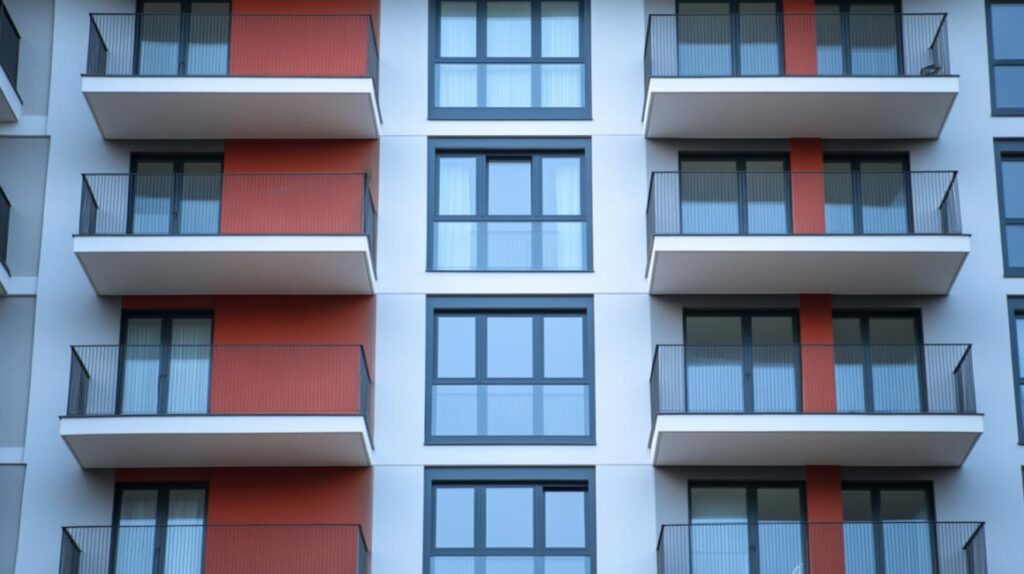
Apartment balcony doors are exterior door systems that connect an apartment interior to a balcony. They are often used in living rooms, bedrooms, studios, and serviced apartments.
They may look similar to patio doors or sliding glass doors. But apartment projects usually bring tougher demands. A single home may only need one or two doors. A multi-family building may need dozens or hundreds, all with consistent size, finish, and quality.
That is why consistency matters. Size control matters. Color matching matters. Installation support also matters. Well-designed apartment balcony doors should support both daily comfort and long-term building performance.
Why Do These Doors Matter for Apartment Projects?
Balcony doors are part of the building envelope. In apartment buildings, they work like a moving wall between each unit and the outdoors. If that moving wall performs poorly, the room feels less comfortable.
Good balcony doors can support several project goals:
- Better natural light
- Better ventilation
- Improved sound insulation
- Better energy efficiency
- Stronger weather resistance
- More comfortable living spaces
- Cleaner facade design
- Lower long-term maintenance
Energy performance is especially important. According to the U.S. Department of Energy, U-factor measures heat flow through windows, doors, and skylights, and a lower U-factor means better insulating performance.
One weak door may seem like a small issue. Across a full building, it can affect comfort, energy use, and maintenance costs. That is why early specification matters.
What Opening Styles Are Best for Apartment Balcony Doors?
There is no single best opening style for apartment balcony doors. The right choice depends on the apartment layout, balcony size, building height, facade design, budget, and long-term maintenance needs.
Before choosing the frame material or glass type, it is useful to compare the main opening styles used in apartment projects.
1. Sliding Balcony Doors

Sliding balcony doors move horizontally on tracks, so they do not need indoor swing space. They are often used in standard apartments, rental units, and compact layouts where space efficiency is important.
For apartment projects, the track system, rollers, drainage design, and sealing performance should be checked carefully. Poor-quality tracks can make the panels hard to slide over time.
2. French Balcony Doors

French balcony doors open on hinges and offer a more traditional appearance. They can work well for smaller openings, bedrooms, or apartment units with a classic facade design.
However, they need enough indoor or outdoor swing space. This makes them less suitable for very compact apartment layouts.
3. Lift-and-Slide Balcony Doors

Lift-and-slide balcony doors are often used for premium apartments, large openings, and units with wide balcony views. The panel lifts slightly when operated, allowing smoother movement and better sealing when closed.
They can provide a higher-end user experience, but they usually require more precise installation and a higher budget.
4. Folding Balcony Doors

Folding balcony doors can open multiple panels and stack them to one side, creating a wider opening between the indoor room and balcony.
They are more common in luxury apartments, penthouses, and special balcony layouts. For large apartment projects, hardware quality, panel alignment, and maintenance requirements should be reviewed carefully.
Apartment Balcony Door Opening Style Comparison
| Opening Style | Best For | Main Benefit | What to Consider |
|---|---|---|---|
| Sliding balcony doors | Standard apartments and compact units | Saves indoor space | Track quality, rollers, drainage, and sealing |
| French balcony doors | Small openings or traditional designs | Classic appearance | Swing space and hinge durability |
| Lift-and-slide doors | Premium apartments and large openings | Smooth operation and better sealing | Higher cost and precise installation |
| Folding balcony doors | Penthouses and wide balcony layouts | Larger opening area | Hardware complexity and maintenance |
After the opening style is confirmed, the next step is to choose the right frame material and glass system. These choices affect strength, insulation, sound control, appearance, and long-term maintenance.
Which Material Is Better for Balcony Doors?
Material affects strength, appearance, insulation, maintenance, and price. For apartment projects, it also affects delivery consistency and future repair costs.
Aluminum Balcony Doors
Best for: Apartment buildings and modern residential projects
Strengths: Strong, slim, durable, and low-maintenance
Consider: Frame quality, finish, and thermal performance
Aluminum works well with large glass panels and clean facade designs. It is often a practical choice for projects that need consistent quality across many units.
uPVC Balcony Doors
Best for: Budget residential projects
Strengths: Affordable, low-maintenance, and good basic insulation
Consider: Frame strength, large opening limits, and appearance
uPVC can work when cost control is important. But it may not be ideal for high-rise buildings or premium facades.
Wood Balcony Doors
Best for: Villas and boutique projects
Strengths: Warm, natural, and visually premium
Consider: Maintenance, moisture protection, and durability
Wood offers a classic look, but it needs more care over time. It is less common in large apartment buildings.
Thermal Break Aluminum Doors
Best for: Energy-efficient apartment projects
Strengths: Better insulation, strong structure, and modern design
Consider: Higher cost and glass system compatibility
Thermal break aluminum helps reduce heat transfer through the frame. It is useful when energy performance is a key requirement.
The right material should match the building type, climate, budget, facade design, and maintenance plan.
What Glass Should Balcony Doors Use?
Glass also affects acoustic and thermal comfort. Laminated glass can help reduce outdoor noise, while double glazing and Low-E glass can improve insulation. For urban or energy-focused apartment projects, these options are worth reviewing early.
For balcony door systems in apartment projects, common glass options include:
- Tempered glass for safety
- Laminated glass for security and noise reduction
- Double glazing for better insulation
- Low-E glass for energy efficiency
- Acoustic glass for urban projects
What Installation Details Should Be Checked Before Ordering?
Installation details should be checked before production, not after installation. For apartment projects, small design gaps can turn into water leakage, air drafts, hard sliding, or long-term maintenance problems.
1. Drainage Design
Water must leave the track and balcony floor smoothly. Poor drainage can cause water to collect near the sill and lead to leakage over time.
2. Sill Waterproofing
The sill is a common leakage point. The connection between the sill, floor, wall, and exterior finish should be confirmed early.
3. Seal Quality
Good seals help reduce water leakage, air drafts, noise, and energy loss. Gasket quality and replacement options are also worth checking.
4. Frame Fixing Method
The frame must be fixed securely to the opening. Weak fixing can cause movement, leakage, or poor operation.
5. Track Leveling
If the track is not level, the panels may become hard to slide. This can damage rollers and shorten service life.
6. Shop Drawings
Shop drawings help confirm opening size, threshold height, drainage, fixing method, and facade coordination before manufacturing.
How Should You Choose a Balcony Door Supplier?
A good supplier should do more than provide products. For apartment projects, the right supplier can help reduce design, quality, delivery, and installation risks.
Stable production, consistent quality, clear communication, and reliable after-sales support are important for projects with many units.
These points can help evaluate a supplier for project-based balcony door requirements.
| What to Check | Why It Matters |
|---|---|
| Apartment project experience | Reduces project risk |
| Custom sizes and colors | Matches different unit types |
| Shop drawing support | Helps avoid installation issues |
| Glass and hardware options | Supports different performance needs |
| Quality control | Keeps bulk orders consistent |
| Production capacity | Supports project deadlines |
| Export packaging | Reduces shipping damage |
| Warranty and spare parts | Lowers maintenance risk |
Before choosing a manufacturer, ask practical questions: Have they supplied apartment buildings before? Can they customize sizes and colors? Can they provide shop drawings, performance data, and spare parts support?
Supplier experience becomes easier to understand when it is connected to a real project. The next example shows how balcony door choices can be matched with actual apartment building needs.
Residential Reference: PA Home New Zealand Villa Project

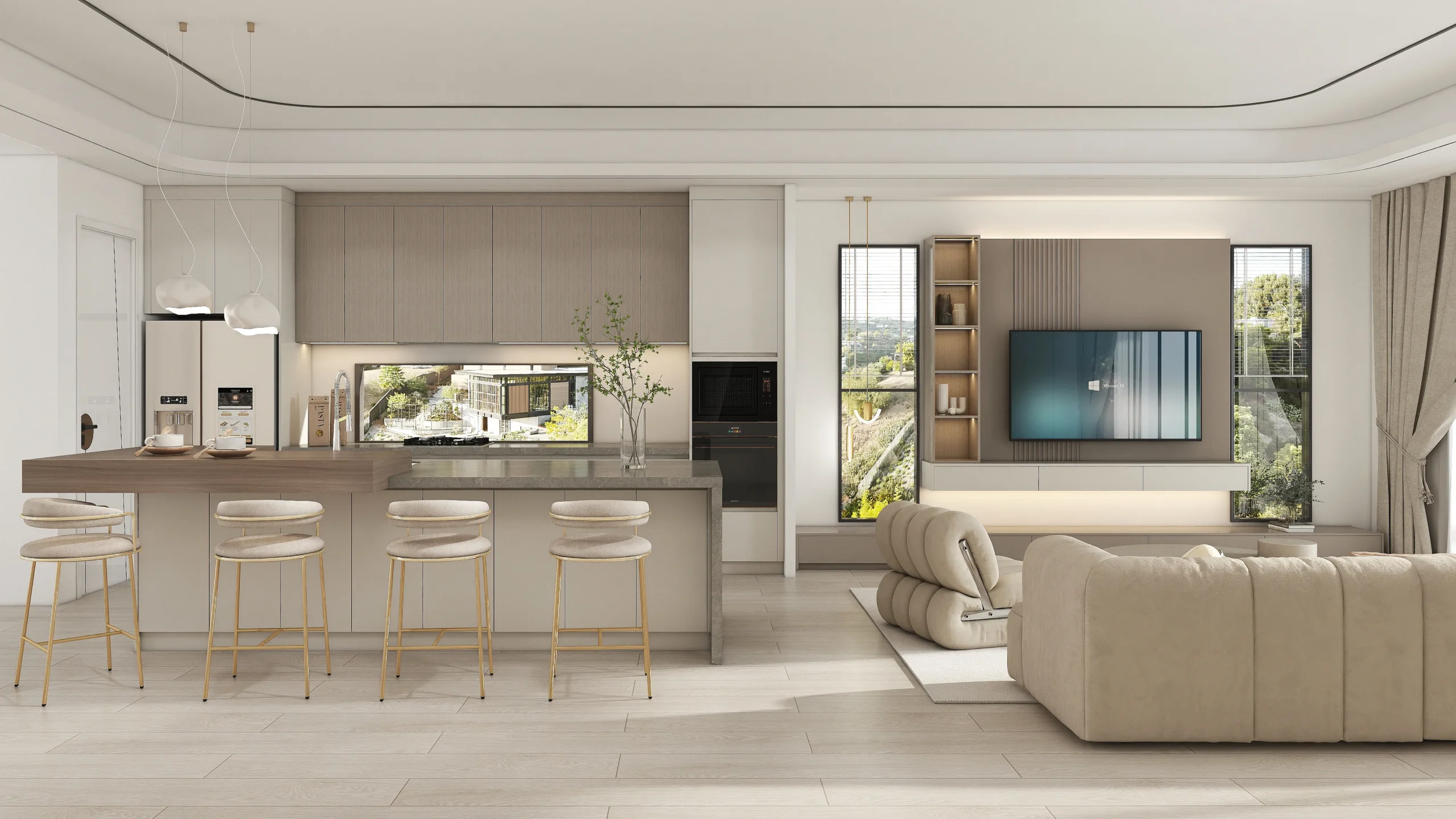
Although this is a villa project, it offers a useful reference for residential balcony door planning. Here, the balcony doors were not treated as a separate product. They were part of the whole living experience.
The home has an open living area, a modern kitchen, and a terrace facing the outdoor view. Large glass balcony doors were used to bring more light into the room and make the indoor space feel closer to the outside.
New Zealand’s weather can change quickly, so the door system also needed to handle rain, sunlight, and daily use. The slim dark frames matched the kitchen, cabinetry, and other interior details, giving the home a clean and consistent look.
For this project, PA Home focused on three things: natural light, smooth access, and design consistency. The result is a brighter home that feels open, calm, and connected to the outdoor space.
For apartment projects, the lesson is similar. Good balcony doors should not only look right. They should also fit the climate, layout, facade style, and long-term use of the building.
FAQs About Balcony Doors
Choosing only by price is the most common mistake. A low-cost door may lead to weak rollers, poor sealing, leakage, and higher maintenance costs later.
Drainage design, glass type, installation details, and supplier experience should also be reviewed early.
There is no single best option for every project. For many apartment buildings, sliding balcony doors with durable frames, suitable glass, good sealing, and smooth operation are a practical choice.
The final choice should depend on building height, climate, facade design, budget, and long-term maintenance needs.
Custom balcony doors are useful when standard sizes, colors, or configurations cannot match the project design.
They are also worth considering for special facade requirements, larger openings, high-rise buildings, coastal projects, or apartment layouts with unique balcony conditions.
Long-term maintenance can be reduced by choosing durable frames, quality rollers, strong seals, and suitable hardware from the start.
Proper drainage, accurate installation, and replaceable parts also help prevent common issues such as leakage, hard sliding, and hardware failure.
Conclusion
Choosing balcony doors for apartment buildings is not only about appearance. It is about comfort, safety, energy performance, weather resistance, and long-term maintenance.
The right door system should match the project location, building style, opening size, glass requirements, installation details, and supplier capability. When these factors are considered early, the whole project becomes easier to manage.
If you are planning an apartment, villa, or residential project, PA Home can help you explore suitable balcony door solutions based on your design and project needs.
Need balcony doors for an apartment, villa, or residential project? Contact us to discuss custom sizes, glass options, frame systems, and project-based solutions.