Choosing modern interior doors is not just a finishing detail. Doors affect how clean a wall looks, how open a hallway feels, and how private a bedroom can be. That is why the flush door vs panel door decision matters in modern interior design.
A flush door has a flat, smooth surface that helps the door blend into the wall and keeps the room visually calm. A panel door has framed details that add depth, structure, and character. Both options can work in modern homes, but they serve different design goals.
In general, a flush door is the better choice for minimalist, contemporary, Japandi, and space-saving interiors. A panel door is a better fit when the room needs more detail, warmth, or a modern classic look. The right choice depends on whether you want the door to disappear into the design or become part of the visual style.
What Is a Flush Door in Modern Interior Design?
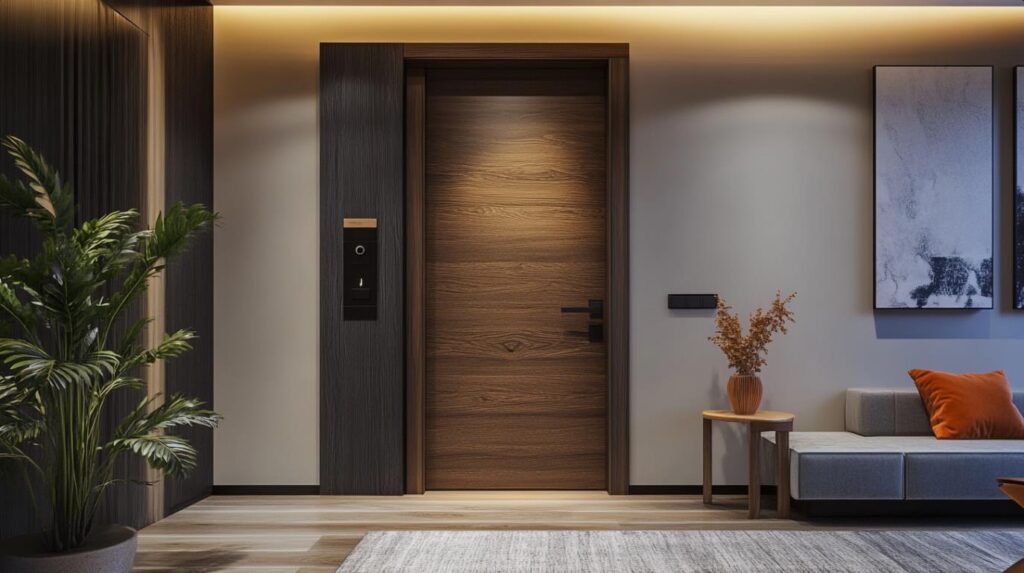
A flush door has a plain, flat surface. It has no raised panels, deep grooves, or decorative frames. This simple design makes it a natural fit for modern interiors because it helps walls look smoother and rooms feel less crowded.
A flush door is often used in modern homes, apartments, hotels, and offices because it creates a clean and seamless look.
Common flush door finishes include:
- Laminate: practical, durable, and easy to clean
- Wood veneer: adds warmth and a more natural look
- Paint: can match the wall for a seamless effect
- PVC: useful for moisture-prone or high-use areas
- Melamine: affordable and easy to maintain
- Matte lacquer: smooth, modern, and refined
- High-pressure laminate: strong and suitable for busy spaces
The core is just as important as the surface. It affects weight, strength, privacy, and sound control.
Common flush door core options include:
- Hollow core: lighter, more affordable, and suitable for closets or low-use rooms
- Cellular core: a balanced choice for general interior rooms
- Solid core: heavier, stronger, and better for bedrooms, offices, and hotel rooms


A hollow-core door is usually cheaper, but it offers less privacy and sound control. A solid-core flush door feels more substantial and performs better in spaces where quietness matters. Lowe’s notes that hollow-core doors offer less sound insulation than solid-core doors and are also less sturdy.
What Is a Panel Door in Modern Interior Design?

A panel door has visible structure. It usually includes rails, stiles, and panels that create lines, shadows, and depth. Compared with a flat door, a panel door has more presence and decorative value.
Many people associate panel doors with traditional homes. But they can still look modern when the design is simple, balanced, and clean.
Common panel door designs include:
- Shaker panel door: clean, simple, and suitable for modern classic interiors
- Flat recessed panel door: subtle and refined, good for transitional spaces
- Raised panel door: more traditional and formal
- Slim panel door: lighter and more modern in appearance
- Matte black panel door: bold, modern, and suitable for contrast
- Natural wood panel door: warm, elegant, and suitable for luxury interiors
A panel door works best in modern interiors when the details are controlled.
To keep a panel door looking modern, choose:
- Simple profiles
- Slim frame lines
- Matte or satin finishes
- Neutral colors such as white, gray, beige, or black
- Clean modern hardware
- Balanced proportions
- Avoid heavy carvings, thick moldings, and overly ornate details in minimalist spaces. These details can make the room feel crowded or dated. A well-designed panel door should add character without overwhelming the space.
How Do Flush Door vs Panel Door Compare at a Glance?
Choosing between these two door types usually comes down to appearance, maintenance, cost, durability, and room function. A side-by-side comparison makes the trade-offs easier to understand.
| Factor | Flush Door | Panel Door |
|---|---|---|
| Visual effect | Smooth, clean, and minimal | Detailed, structured, and decorative |
| Best design role | Blends into the wall or room | Adds depth and character |
| Maintenance | Easier to wipe clean | Grooves and frames need more care |
| Cost | Usually more budget-friendly | Often higher, especially in solid wood |
| Best interior styles | Minimalist, Japandi, Scandinavian, contemporary | Modern classic, transitional, luxury |
| Best rooms | Bedroom, bathroom, office, apartment, hotel room | Entryway, living room, hallway, feature area |
These two interior door styles do not compete in the same way. One reduces visual noise. The other creates visual interest. Your choice depends on what the room is missing.
Which Door Looks More Modern: Flush Door or Panel Door?
A flush door often feels more modern because it reduces visual noise. Its smooth surface keeps the wall clean and uninterrupted, which suits contemporary spaces, small rooms, apartments, and narrow hallways. It can make the room feel larger, calmer, and more organized.
That is why a flush door works well in minimalist, contemporary, Japandi, and Scandinavian interiors. These styles rely on clean lines, soft colors, natural textures, and openness.
A panel door is better when the room needs more depth or a stronger design feature. The key is simplicity: slim profiles, flat panels, matte finishes, and clean hardware help it look modern without making the space feel busy.
Minimalist Interior
Best choice: Flush door
A flush door keeps the space clean, calm, and free from visual clutter.
Contemporary Interior
Best choice: Flush door
Its smooth surface matches open layouts, simple lines, and modern finishes.
Japandi Interior
Best choice: Wood veneer flush door
A wood veneer finish adds warmth while keeping the design simple and natural.
Scandinavian Interior
Best choice: Flush door or simple panel door
Both can work if the design stays light, soft, and understated.
Modern Classic Interior
Best choice: Panel door
A panel door adds elegant detail without making the room feel too traditional.
Luxury Modern Interior
Best choice: Premium flush door or slim panel door
A premium flush door creates seamless luxury, while a slim panel door adds quiet depth.
Which Is More Practical: Flush Door or Panel Door?

For everyday use, a flush door is usually more practical. Its smooth surface is easier to clean and collects less dust, making it a good fit for bedrooms, bathrooms, kitchens, offices, rentals, hotels, and other high-use spaces.
A panel door can also be durable, especially with solid wood or a quality engineered core. But its grooves, frame lines, and recessed details need more cleaning and care over time.
Structure matters too. A solid-core flush door or solid wood panel door usually offers better strength and privacy than a lightweight hollow-core door. For humid areas, a moisture-resistant flush door is often easier to maintain because its sealed surface is simpler to clean.
In short, choose a flush door for low maintenance and daily practicality. Choose a panel door when you want more visual character and do not mind a little extra upkeep.
Which Interior Door Works Best for Each Room?
The best interior door depends on the room. A bathroom door has different needs from a closet door. A bedroom door needs more privacy than a pantry door.
Use this guide as a starting point:
| Room or Space | Recommended Door | Why It Works |
|---|---|---|
| Bedroom | Solid-core flush door | Clean look, better privacy, and improved sound control |
| Bathroom | Moisture-resistant flush door | Easier to clean and better suited to humid areas |
| Kitchen | Laminate flush door | Practical, stain-resistant, and easy to maintain |
| Home office | Solid-core flush door | Supports privacy and focus |
| Living room | Flush door or simple panel door | Depends on whether the door should blend in or add detail |
| Main entrance | Solid panel door or premium flush door | Needs strength, durability, and visual presence |
| Closet | Hollow-core or standard flush door | Simple, lightweight, and cost-effective |
| Apartment | Flush door | Space-friendly, clean, and easy to match |
| Villa | Panel door or premium flush door | Can match either a luxury or minimalist design |
| Hotel room | Solid-core flush door | Durable, consistent, and better for privacy |
This does not mean every home must use only one door style. In many projects, flush doors work best for private rooms, while panel doors are better for feature areas.
When Should You Choose a Flush Door or a Panel Door?
The choice depends on the role of the door. A flush door is better when the door should blend into the space. A panel door is better when the door should add detail and character.

Choose a Flush Door When:
- You want a clean, simple, and modern interior.
- The room is small, narrow, or visually busy.
- You want the door to blend with the wall.
- You prefer low-maintenance modern interior doors.
- You need the same door style across many rooms.
- The door is for a bedroom, bathroom, closet, office, apartment, hotel, or rental property.
- You want a seamless or hidden-door effect.
- You need a practical option that is easy to clean and easy to match.
A flush door works best when the goal is visual calm. Its flat surface reduces clutter and keeps the room looking clean.

Choose a Panel Door When:
- You want more depth, detail, and visual character.
- The room feels too plain or unfinished.
- You prefer modern classic, transitional, or luxury interior door styles.
- The door should stand out instead of blending in.
- The door is for a main entrance, living room, hallway, dining room, or feature area.
- You like shaker, recessed, or slim panel designs.
- You want the door to feel more architectural.
- You do not mind slightly more cleaning around grooves and frame lines.
A panel door works best when the room needs structure and personality. For modern interior doors, the key is to keep the panel design simple, balanced, and clean.
Conclusion
In this door comparison, a flat flush-style option is better for clean, simple, and low-maintenance spaces. A framed panel-style option works better when the room needs depth, detail, or a modern classic look.
Need help choosing the right doors for your home, apartment, villa, hotel, or commercial project? For whole-house, apartment, villa, hotel, or commercial projects, PA Home can customize interior door materials, finishes, and core options according to room function, design style, budget, durability, sound control, and moisture-resistance needs.
FAQ
A flush door is often more cost-effective for full-home projects because it is simpler, easier to match, and usually lower maintenance. A panel door is worth considering when design impact matters more.
Yes. This often works well. Use flush doors for bedrooms, bathrooms, closets, and offices. Use a panel door for the main entrance, living room, or feature area. This keeps the home clean while adding character where it matters.
For bedrooms, bathrooms, offices, and rental spaces, a solid-core flush door or moisture-resistant flush door is usually more practical. It is easier to clean, easier to match, and better suited for daily use.
This is the first question to ask. Choose a flush door if you want the door to blend into the wall and keep the room clean. Choose a panel door if you want the door to add depth, detail, or a stronger design presence.