Choosing aluminum doors is not just about price, color, or frame style. A low-cost door system may look attractive at first, but poor sealing, weak hardware, water leakage, heat loss, and difficult operation can quickly turn it into a costly problem.
Different projects need different aluminum door solutions. A villa may need wide views and better comfort. A storefront needs strength, safety, and daily traffic resistance. A coastal project requires corrosion-resistant finishes, reliable drainage, and strong sealing.
This guide explains how to choose the right aluminum door system based on your project type, climate, glass, frame quality, hardware, cost, and long-term performance.
Why Are Aluminum Doors a Strong Choice for Modern Projects?
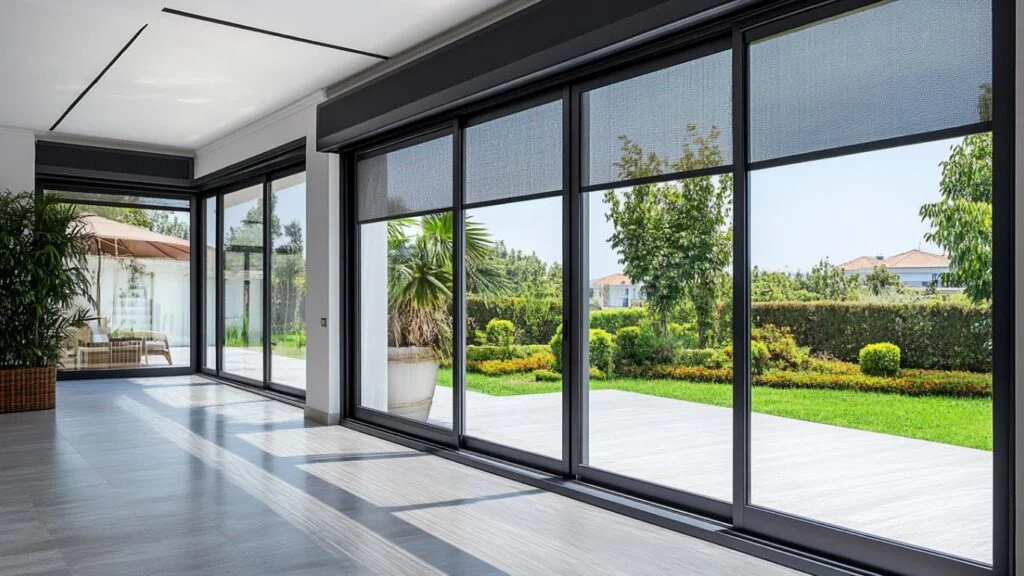
Aluminum doors are widely used because they combine strength, slim design, and low maintenance. Aluminum is lightweight, rustproof, durable, and infinitely recyclable, and the Aluminum Association notes that more than 60% of aluminum used in today’s buildings comes from recycled material.
For modern architecture, the material also supports narrow frames and large glass panels. This helps bring in daylight, expand views, and create a clean look. If the glass is the picture, the frame is the border. The right border should support the view without stealing attention.
Using aluminum for door frames gives designers more flexibility in color, size, and finish. It can be powder coated, anodized, or finished in wood-grain colors. That makes it suitable for homes, apartments, hotels, offices, retail spaces, and mixed-use buildings.
What Types of Door Systems Can You Choose?
Before choosing aluminum doors, it helps to understand the main door systems. Each type solves a different need. Some save space, some create a wider opening, and others are designed for commercial traffic.
1. Sliding Door Systems

Sliding door systems move along a track instead of swinging open. They are ideal for balconies, patios, villas, apartments, and living areas where space-saving and wide views matter.
2. Hinged Door Systems

Hinged door systems open inward or outward on hinges. They are simple, practical, and suitable for bedrooms, offices, service rooms, and standard entrances.
3. Pivot Door Systems

Pivot door systems rotate around a pivot point instead of side hinges. They are often used for luxury entrances, villas, hotels, and modern architectural spaces.
4. Bi-Fold Door Systems

Bi-fold door systems fold and stack to one or both sides. They are a good choice for patios, terraces, cafés, restaurants, and indoor-outdoor spaces.
5. Storefront Door Systems

Storefront door systems are designed for commercial spaces such as shops, malls, offices, and restaurants. They usually combine aluminum frames with large glass panels for visibility and easy access.
Comparison of Common Door Systems
| Door Type | Best For | Main Benefits | Key Considerations |
|---|---|---|---|
| Sliding Door Systems | Villas, patios, balconies, apartments | Space-saving, wide views, large glass panels | Roller quality, track drainage, sealing |
| Hinged Door Systems | Homes, offices, rooms, side entrances | Simple, practical, cost-effective | Needs enough swing space |
| Pivot Door Systems | Luxury entrances, villas, hotels | Bold design, premium appearance | Higher hardware and installation requirements |
| Bi-Fold Door Systems | Patios, cafés, restaurants, terraces | Large opening, indoor-outdoor connection | More panels and precise installation |
| Storefront Door Systems | Shops, malls, offices, commercial entrances | High visibility, traffic resistance, security | Commercial-grade glass, locks, and closers |
This structure helps buyers compare door systems more easily. Instead of choosing by appearance alone, they can match the door type to the space, traffic level, budget, and performance needs.
Which Aluminum Doors Fit Different Projects?
Not every project needs the same door system. Good aluminum door design should consider space, traffic, climate, design style, and long-term use.
- For villas: Choose sliding, pivot, or bi-fold systems if the project needs wide views, natural light, and a premium look.
- For apartments: Sliding or hinged systems are usually more practical because they help save space and control cost.
- For hotels: Choose systems with smooth operation, durable hardware, good sealing, and sound control.
- For offices: Aluminum-framed glass doors work well when the space needs openness, light, and privacy at the same time.
- For storefronts: Commercial entrance systems are better because they support daily traffic, visibility, safe glass, and stronger security.
- For coastal projects: Choose powder-coated or anodized systems with corrosion-resistant hardware, good drainage, and reliable sealing.
In short, choose based on real project needs. Design-focused spaces need better views and appearance. Commercial spaces need strength and security. Coastal areas need corrosion resistance and sealing.
What Should You Check Before Buying?
Before buying a door system, look beyond the frame and glass. A high-quality door should work as a complete system. Each part affects safety, comfort, durability, and daily use.
Frame & Profile Quality
The frame supports the glass and keeps the door stable. Check the profile thickness, frame depth, alloy grade, and structural strength. Thin profiles may lower the price, but they may not suit large panels or high-traffic areas.
Best for: villas, hotels, commercial entrances
Watch out for: thin profiles, weak corners, unclear specs
Glass
Glass affects safety, comfort, noise control, and energy performance. Tempered glass is suitable for general use. Laminated glass improves security. Low-E or double glazing helps improve insulation.
Best for: homes, offices, storefronts
Watch out for: wrong glass type, poor insulation, weak safety performance
Thermal Performance
For hot, cold, or energy-sensitive projects, consider a thermal break system. It helps reduce heat transfer through the aluminum frame, especially when paired with Low-E or double-glazed glass.
Best for: villas, hotels, offices
Watch out for: standard frames used in extreme climates
Hardware
Hardware affects daily operation. Rollers, hinges, locks, handles, and closers should match the door size and usage frequency. Weak hardware can make even a good-looking door fail quickly.
Best for: sliding doors, pivot doors, storefronts
Watch out for: poor rollers, weak hinges, basic locks
Sealing, Drainage & Finish
Good sealing helps reduce water leaks, air drafts, and noise. Proper drainage keeps water from collecting inside the frame. A durable finish, such as powder coating or anodizing, protects the aluminum from weather and corrosion.
Best for: balconies, patios, coastal projects
Watch out for: poor weatherstripping, blocked drainage, weak coating
How Much Do Aluminum Doors Cost?
Price depends on size, opening style, glass type, frame system, finish, hardware, and installation needs. A standard hinged unit will usually cost less than a large custom pivot or bi-fold system.
| Cost Factor | Lower-Cost Option | Higher-Cost Option |
|---|---|---|
| Door Style | Hinged system | Pivot, sliding, or bi-fold system |
| Glass Type | Tempered glass | Low-E laminated double glazing |
| Frame System | Standard aluminum frame | Thermal break aluminum system |
| Surface Finish | Standard powder coating | Wood grain, anodized, or PVDF finish |
| Hardware | Basic lock, handle, and hinge | Branded heavy-duty rollers, locks, and hinges |
| Door Size | Standard size | Oversized or fully customized opening |
| Installation Needs | Simple standard installation | Complex opening, structural adjustment, or special sealing |
If you are comparing materials, aluminum for door systems is often chosen because it balances cost, strength, and design flexibility. Still, the cheapest quote is rarely the safest choice. A low price may hide thin profiles, weak glass, poor rollers, limited sealing, or a short warranty.
How Do You Choose a Reliable Manufacturer?
A good manufacturer should do more than send a price list. They should help confirm sizes, provide drawings, recommend glass, explain hardware options, and support the project before production starts.
They also need real project experience. Residential projects require design, comfort, and cost control. Commercial projects need stronger hardware, safety glass, and better durability. Coastal projects require corrosion-resistant finishes, good sealing, and proper drainage.
Before ordering, ask:
- What profile system do you use?
- What glass options are available?
- Can you provide shop drawings?
- What hardware brands do you offer?
- Can you support custom colors and sizes?
- What surface finishes are available?
- What is your lead time?
- How do you package products for shipping?
- What warranty do you provide?
For buyers searching for the best aluminum door, supplier capability matters as much as product style. A reliable supplier should explain options clearly and help you avoid costly mistakes.
This is where PA Home can help. With project-based experience in customized home solutions, PA Home provides aluminum door solutions for residential and commercial projects. From profile selection to glass, finishes, packaging, and project support, PA Home helps buyers choose doors that fit both design goals and performance needs.
Project Case: Australian Villa Sliding Door System

This Australian villa project shows how PA Home used a practical sliding door system to improve natural light, outdoor access, and everyday living comfort.
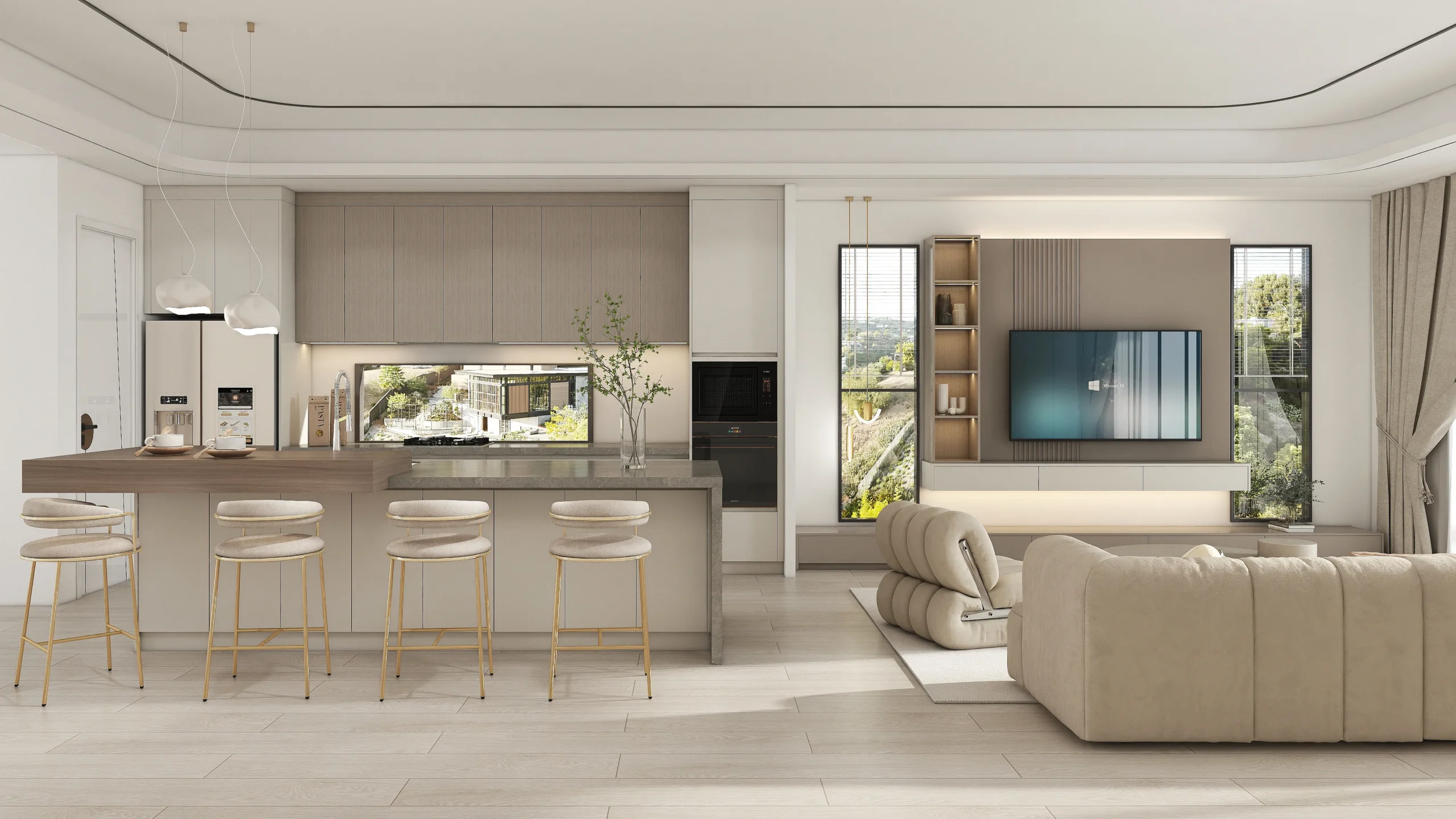
The villa features a bright open-plan layout with a modern white kitchen, warm wood flooring, and a private backyard. To connect the indoor living area with the outdoor space, PA Home provided sliding doors with large glass panels. The design brings more daylight into the home while keeping the interior clean and open.
The sliding system also helps save space. Since the panels move along the track, the door does not take up extra room when opened. This is especially useful for family homes where the kitchen, dining area, and backyard need to feel connected.
For better daily performance, PA Home focused on stable aluminum profiles, smooth tracks, quality rollers, and reliable sealing. These details help the door open easily, reduce drafts, and support long-term use.
The final result is a bright, practical villa with better indoor-outdoor flow, improved natural light, and a comfortable modern living experience.
What Mistakes Should You Avoid?
Many problems start during selection, not after installation. The most common mistake is choosing by price alone. A low quote may look attractive, but it can lead to poor sealing, weak hardware, and higher repair costs later.
Avoid these mistakes:
- Choosing only the cheapest option
- Ignoring profile thickness
- Selecting the wrong glass type
- Forgetting local climate conditions
- Using weak rollers for large sliding panels
- Ignoring drainage and sealing design
- Not checking hardware quality
- Not confirming drawings before production
Even a strong aluminum door system can fail if measurements, sealing, drainage, and hardware adjustment are not handled properly.
Conclusion
The best aluminum door system is the one that matches your project type, climate, design style, and long-term use.
Before making a decision, review the full system: opening style, frame strength, glass performance, hardware quality, surface finish, and supplier support. When these parts work well together, your aluminum doors will look better, operate more smoothly, and last longer.
For a tailored solution, PA Home can help you choose aluminum door options that fit your residential or commercial project. Contact us to discuss your project needs and get professional support.
FAQ
Commercial buildings usually require storefront doors, heavy-duty hinged doors, or automatic entrance systems. The best choice depends on traffic volume, security needs, glass type, opening size, and overall building design.
Yes, especially in hot, cold, or energy-sensitive areas. They help reduce heat transfer through the frame and improve indoor comfort.
Tempered glass works for general use. Laminated glass improves security and sound control. Low-E double glazing is better for energy performance.
Yes. Most project-based suppliers can customize size, color, glass type, opening style, hardware, and surface finish based on design and performance needs.
During installation, check alignment, drainage, sealing, hardware adjustment, and smooth operation. Even a strong door system can fail if it is installed poorly.