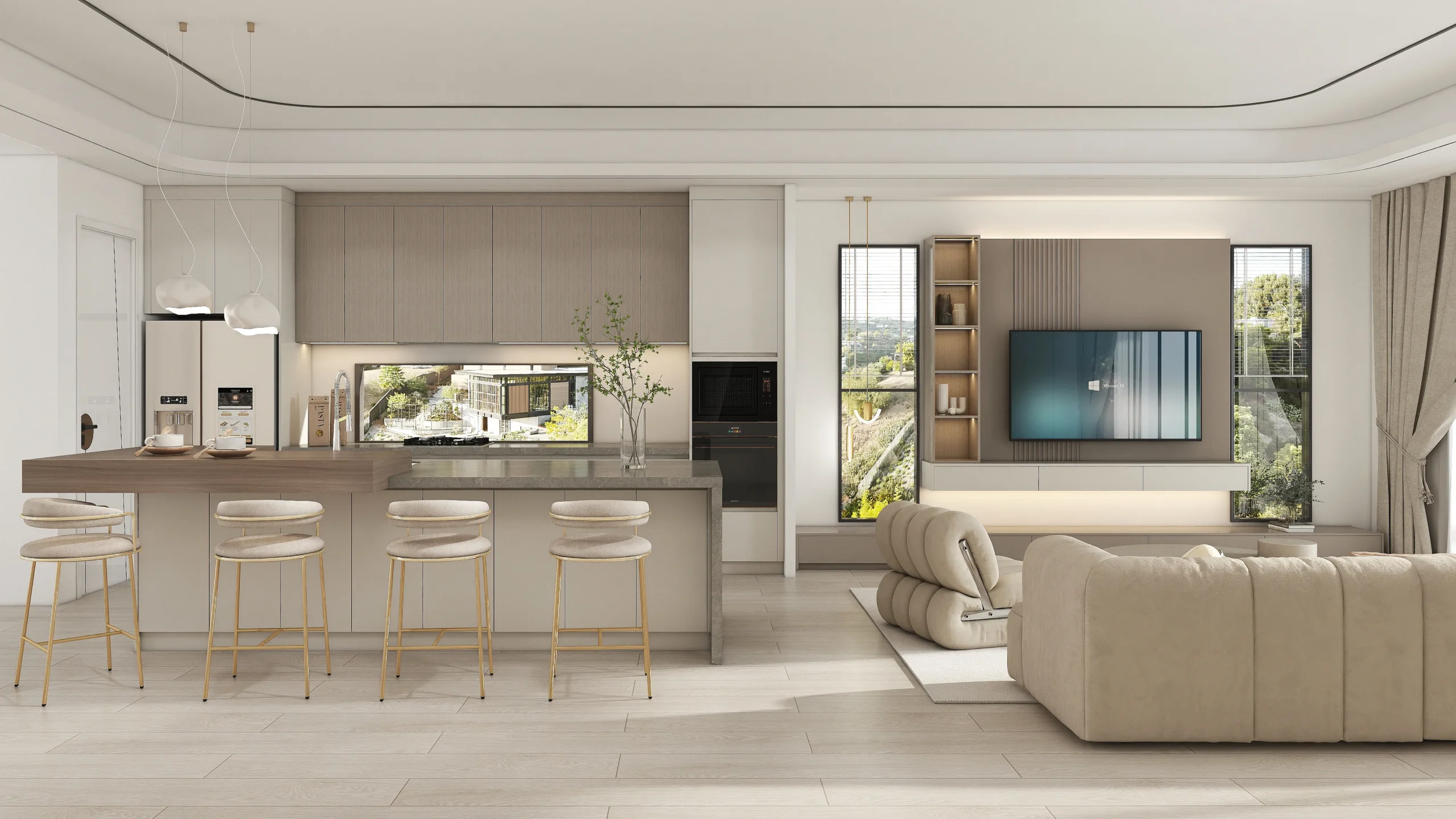
Ordering cabinets for an apartment building is more than a design choice. One wrong size, finish, or delivery plan can affect dozens or even hundreds of units.
In 2026, that planning matters even more. According to CBRE’s Q1 2026 U.S. multifamily market report, U.S. multifamily vacancy fell to 4.8%, as demand outpaced supply for the first time in three quarters. Average monthly rent also rose to $2,217. For apartment owners and developers, this means unit readiness, turnover speed, and long-term maintenance still matter in a competitive rental market.
That is why multifamily kitchen cabinets need to do more than look clean. They should fit accurately, install smoothly, and work across repeated apartment layouts. A well-planned cabinet order helps reduce mistakes before production begins.
Why Do Multifamily Kitchen Cabinets Matter for Apartment Buildings?
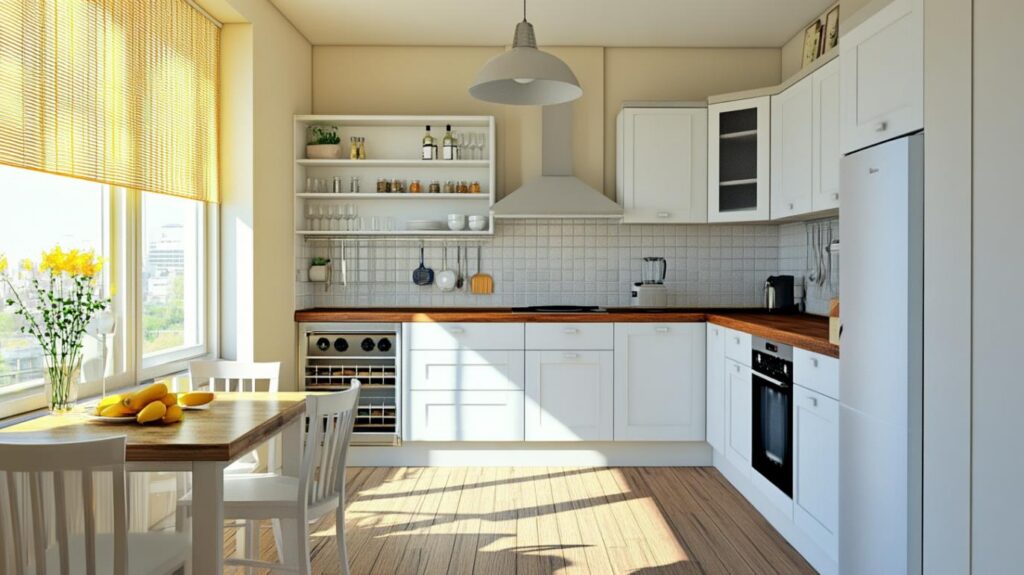
Multifamily kitchen cabinets matter because they affect more than how a kitchen looks. In apartment buildings, cabinets influence tenant experience, repair costs, schedules, and long-term property value.
Here is why they need careful planning:
- Heavy daily use: doors, drawers, shelves, and finishes must handle repeated use.
- Tenant experience: clean, modern cabinets help make units more attractive.
- Maintenance cost: weak boxes, poor finishes, and low-grade hardware can lead to more repairs.
- Project schedule: late or poorly organized cabinets can delay countertops, plumbing, appliances, and move-ins.
For large projects, the cabinet package should be durable enough for daily rental use and simple enough for installers to repeat across multiple units.
What Should You Confirm Before Requesting a Cabinet Quote?
A clear quote starts with clear project details. Before asking for pricing, confirm the unit count, unit mix, cabinet scope, and project schedule.
A studio kitchen may not need the same cabinet package as a two-bedroom unit. A renovation may also require more field checks than new construction. Existing walls, plumbing, and electrical locations can create layout changes.
Prepare these items before requesting a quote:
- Floor plans
- Kitchen elevations
- Cabinet schedule
- Finish schedule
- Appliance specifications
- Hardware requirements
- Delivery details
- Site access information
It also helps suppliers price apartment cabinets for multifamily projects more accurately.
How Should Measurements and Appliance Specs Be Verified?
Many ordering mistakes happen before production. Measurements and appliance specs should be verified before final approval.
Do not rely only on old drawings. Field measurements help confirm real site conditions. This is especially important for renovations, where walls may not be square and ceiling heights may vary.
Appliance specs also affect the layout. Refrigerator width, dishwasher location, range size, microwave placement, and sink dimensions all matter. A small appliance change can affect fillers, panels, and base cabinets.
If the project includes accessible units, review clearance needs early. The U.S. Access Board notes that knee and toe space at sinks must meet specific width and depth requirements where accessibility rules apply.
Which Materials, Finishes, and Hardware Work Best for Rental Units?
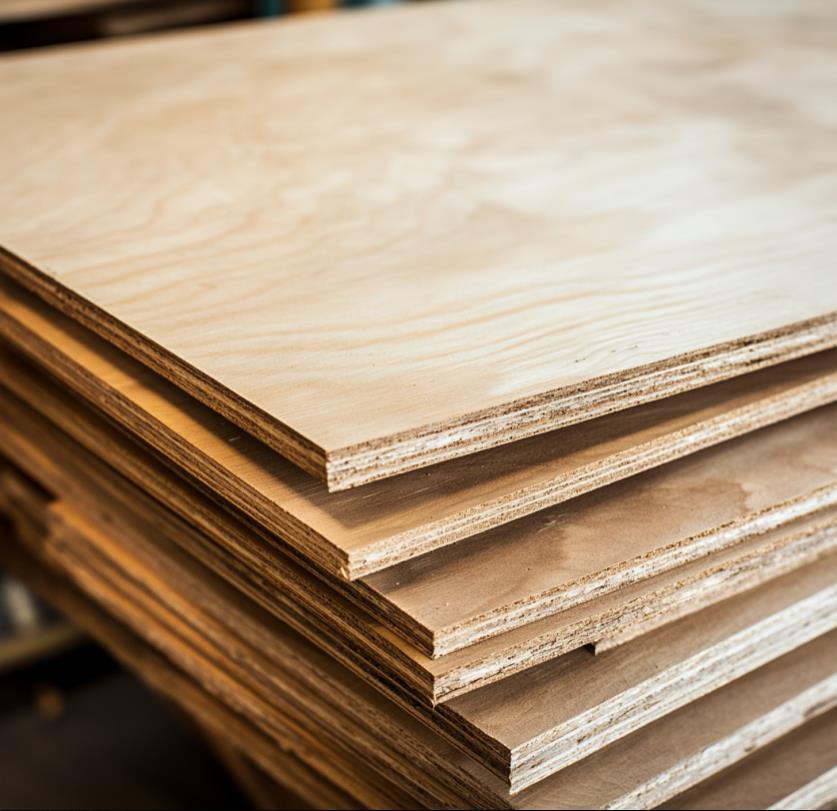
The right materials help multifamily kitchen cabinets last longer in high-use rental units. The best option depends on budget, property level, and maintenance goals.
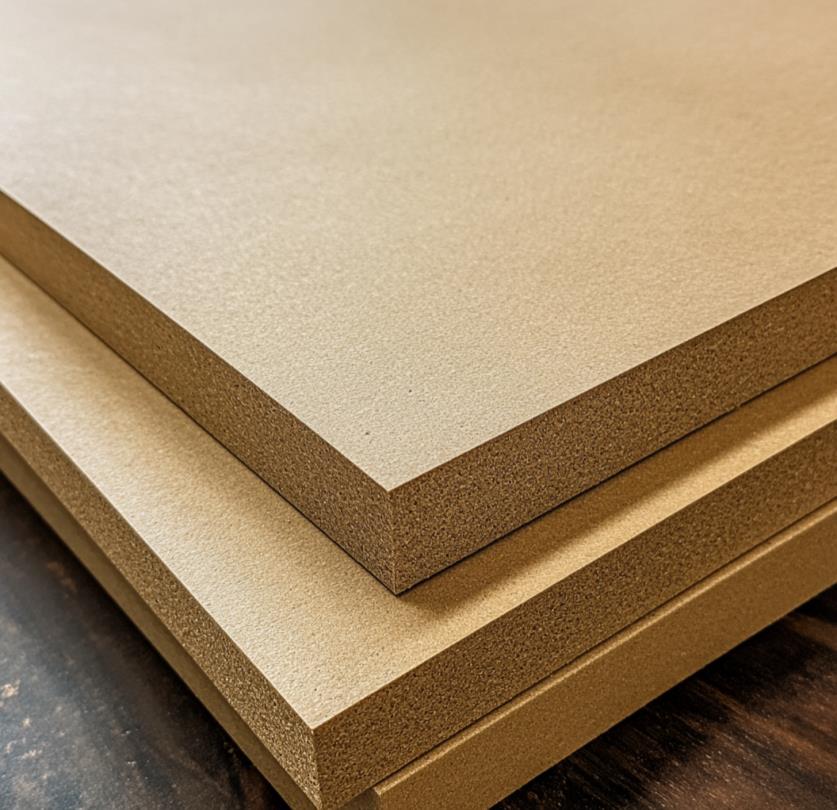
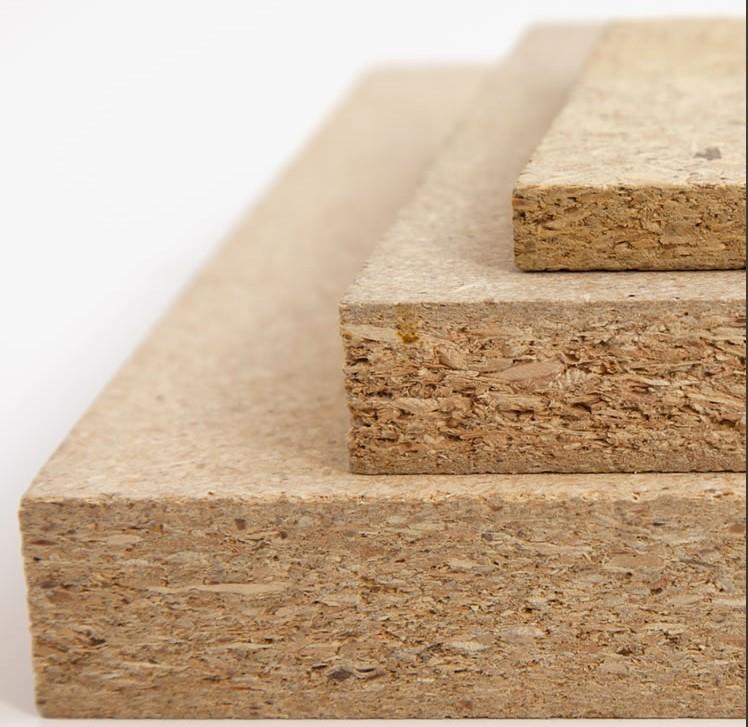
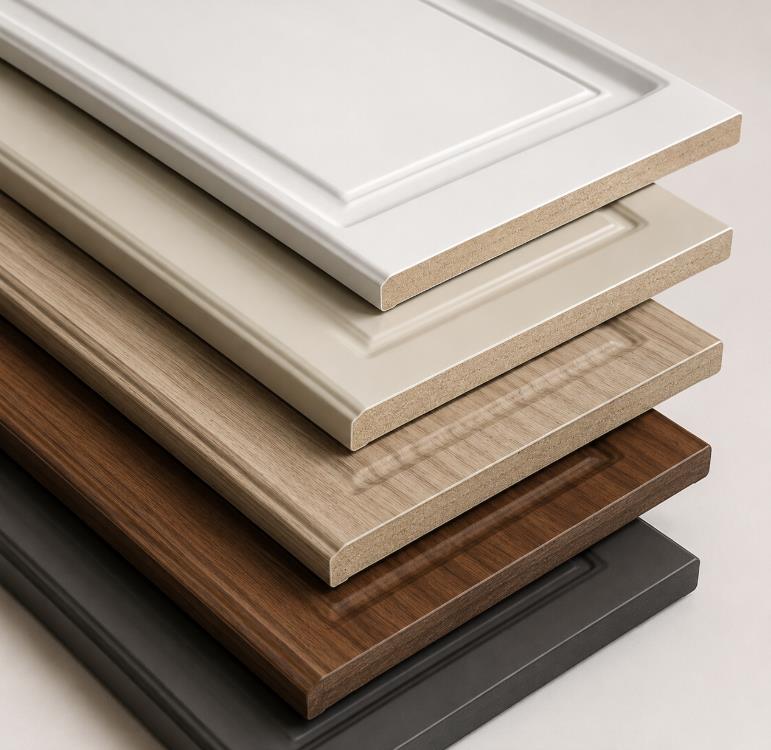
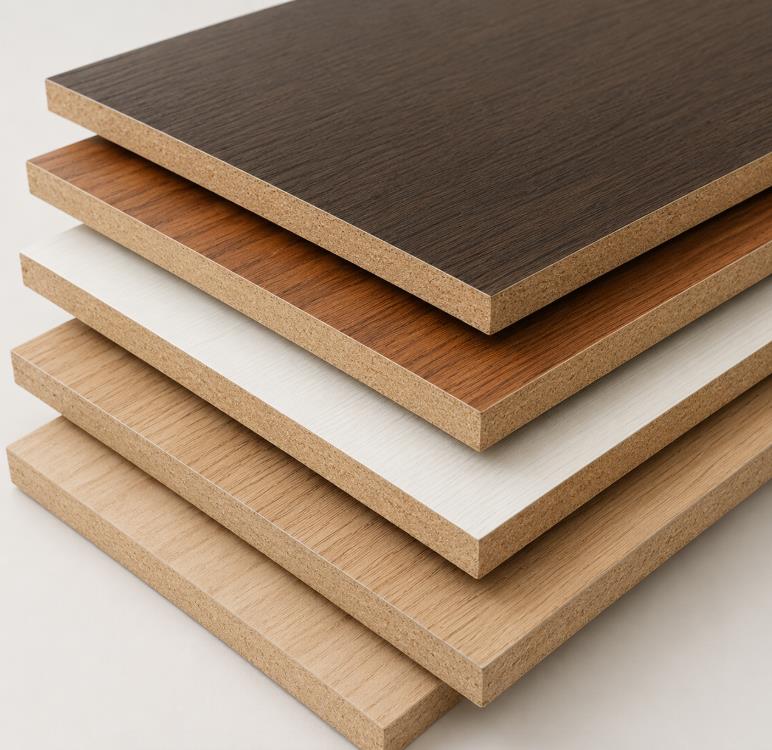
| Option | Best For | Watch Out For |
|---|---|---|
| Plywood | Long-term durability | Higher cost |
| MDF | Painted doors | Moisture sensitivity |
| Particleboard | Budget projects | Lower moisture resistance |
| Thermofoil | Easy cleaning | Heat and peeling risks |
| Laminate / Melamine | High-use rental units | Edge quality |
For finishes, use neutral, moisture-resistant, and scratch-resistant options. They are easier to clean and easier to replace across multiple units.
Hardware also matters. Soft-close hinges, full-extension drawer slides, durable pulls, reinforced drawers, and standardized parts can reduce service calls.
Should You Choose RTA, Assembled, Stock, or Custom Cabinets?
Cabinet type affects cost, freight, labor, storage, and installation speed. Do not compare options only by unit price.
| Cabinet Type | Best For | Main Concern |
|---|---|---|
| RTA Cabinets | Budget renovations | Assembly quality |
| Assembled Cabinets | Faster installation | Freight and storage |
| Stock Cabinets | Standard layouts | Limited options |
| Semi-Custom Cabinets | Mid-range projects | Longer lead time |
| Custom Cabinets | Luxury or unusual layouts | Higher cost |
RTA cabinets can help control freight costs, but they require reliable assembly. Assembled cabinets usually install faster, but they need more storage space. Stock cabinets work well for standard layouts, while semi-custom and custom options offer more flexibility.
- The best choice depends on the full project cost, including labor, storage, lead time, installation speed, and replacement parts.
What Should a Multifamily Cabinet Quote Include?

A quote for multifamily kitchen cabinets should show more than cabinet boxes. It should clearly explain what is included, excluded, and priced as an add-on.
A complete quote may include:
- Cabinet boxes
- Doors and drawer fronts
- Hardware
- Finish upgrades
- Shop drawings
- Samples or mock-ups
- Freight
- Installation labor
- Replacement parts
- Warranty service
Before approval, ask whether freight, shop drawings, samples, phased deliveries, damaged-item coverage, and warranty support are included.
The lowest quote is not always the lowest total cost. A cheaper price may exclude services that matter during construction.
How Should You Choose a Multifamily Cabinet Supplier?

For apartment buildings, the supplier should understand repeated layouts, large unit counts, and jobsite coordination.
Look for a supplier that can support:
- layout review
- shop drawings
- material and finish selection
- sample approval
- unit-based labeling
- phased delivery
- replacement part coordination
PA Home, for example, can support multifamily projects with layout review, finish matching, production planning, and unit-based delivery coordination. This helps keep cabinet packages consistent from quote to installation.
Before choosing a supplier, ask:
- Have you handled similar apartment building projects?
- Can you support large unit counts?
- Do you provide shop drawings or layout review?
- Can you provide samples or mock-ups before production?
- Can cabinets be labeled by building, floor, and unit?
- Do you support phased delivery?
- How fast can replacement parts be provided?
How Can the Right Supplier Prevent Costly Cabinet Mistakes?
A real project can show why supplier experience matters. For large apartment developments, the challenge is not only producing cabinets. It is keeping every unit, size, finish, and delivery step under control.
Case Study: Saudi Arabia Apartment Project

In this Saudi Arabia apartment project, PA Home supplied multifamily kitchen cabinets, built-in wardrobes, open storage, and drawer systems for a multi-unit residential building. The cabinets used light wood-grain finishes, clean white fronts, and compact layouts to match the modern apartment design.
The key challenge was consistency across repeated units. Each kitchen and wardrobe needed accurate sizing, matching finishes, and clear delivery organization. PA Home supported the project with layout review, finish coordination, custom production, and unit-based delivery planning. This helped reduce jobsite confusion and kept the cabinet package consistent across multiple apartment units.
How Should Delivery, Labeling, and Installation Be Planned?
Delivery planning is critical when ordering cabinets for apartment buildings. If cabinets arrive without clear labels, installers may spend hours sorting boxes instead of installing them.
For large projects, multifamily kitchen cabinets should be delivered by building, floor, unit, room, and phase. Each package should show the project name, building number, floor, unit number, cabinet type, finish color, and installation phase.
Jobsite storage should also be planned before delivery. Cabinets need protection from moisture, dust, damage, and theft. If space is limited, phased delivery may work better than one large shipment.
Installation should align with countertops, plumbing, appliances, and inspections. Clear labeling helps reduce sorting time and misplaced parts.
Pre-Order Checklist for Multifamily Kitchen Cabinets
Project Details
- Unit count confirmed
- Unit mix confirmed
- Floor plans approved
- Cabinet scope defined
- Timeline reviewed
Design and Specs
- Cabinet layout approved
- Finish selected
- Hardware selected
- Appliance specs confirmed
- Accessible units reviewed if needed
Measurements
- Field measurements completed
- Ceiling heights checked
- Plumbing rough-ins checked
- Electrical locations checked
- Appliance clearances checked
Quote and Delivery
- Quote reviewed
- Freight confirmed
- Installation clarified
- Samples approved
- Shop drawings approved
- Lead time confirmed
- Unit labeling confirmed
- Warranty process confirmed
This checklist keeps the order organized. It also helps reduce reorders, missing parts, and unclear responsibilities.
Frequently Asked Questions About Multifamily Kitchen Cabinets
For rental apartments, cabinets with strong box construction, moisture-resistant panels, durable edge banding, reinforced drawers, and reliable hardware usually last longer. Plywood boxes are often preferred for long-term durability, while high-quality laminate or melamine finishes can help resist daily wear and cleaning.
Plywood cabinets can be worth the extra cost for long-term rental properties, high-turnover units, or projects where durability is a priority. They usually offer better screw-holding strength and moisture resistance than basic particleboard. However, for budget projects, well-made particleboard or MDF cabinets with good edge sealing may still work if the project has clear maintenance and replacement plans.
Phased delivery means cabinets are shipped according to the construction or installation schedule instead of arriving all at once. For example, cabinets may be delivered by building, floor, unit type, or installation phase. This helps reduce jobsite storage pressure, lowers the risk of damage, and makes it easier for installers to find the right cabinets for each unit.
Apartment cabinets may need to meet different standards depending on the project location and buyer requirements. Common items to check include CARB Phase 2, TSCA Title VI, low-formaldehyde materials, fire safety requirements, and any local building or accessibility rules. For large multifamily projects, buyers should confirm required certifications before production begins.
Conclusion
Ordering multifamily kitchen cabinets for apartment buildings is easier when every detail is planned early. Clear layouts, verified measurements, durable materials, complete quotes, and organized delivery all help reduce delays and extra costs.
The right cabinet package should look consistent across units, install smoothly, and stay easy to maintain after tenants move in. For large apartment projects, that balance matters more than simply choosing the lowest price.
If you are planning cabinets for apartment buildings, PA Home can help review your layouts, materials, finishes, production needs, and delivery schedule. Share your floor plans, unit mix, cabinet schedule, or project checklist with PA Home to get a more accurate cabinet solution and quotation.