A regular exterior door may look fine on a calm day, but in a hurricane-prone area, looks are only part of the job. Your door also needs to handle strong wind, flying debris, heavy rain, and sudden pressure changes. That is why more homeowners now pay attention to hurricane doors when building, remodeling, or replacing an entry door.
What Are Hurricane Doors?
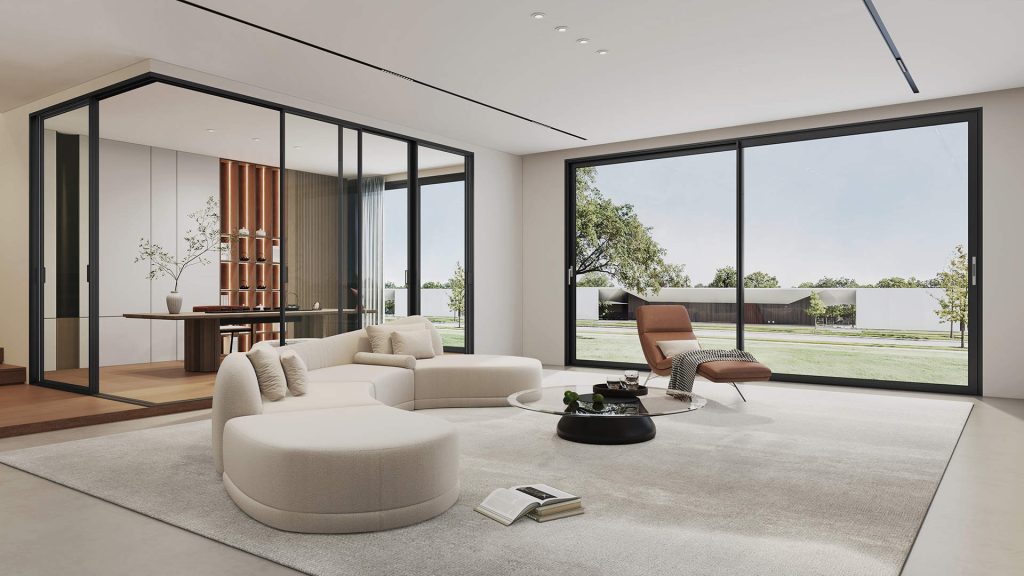
Hurricane doors are exterior doors made for homes in high-wind and storm-prone areas. You may also see them called hurricane impact doors or impact-rated doors. Compared with a standard exterior door, they are built to perform better under extreme weather conditions, especially when wind pressure and flying debris become a serious risk.
Most hurricane doors use stronger frames, heavier hardware, and more secure construction. If the design includes glass, it usually uses laminated impact glass rather than standard glass. These doors are commonly used at front entries, patio openings, and other exterior access points where storm protection matters.
In simple terms, a hurricane door is designed to help the home stay safer and more stable during severe weather. It is not just about strength. It is also about protecting the opening itself so wind and rain are less likely to cause major interior damage.
How Do Hurricane Impact Doors Work?
Hurricane impact doors work by combining several protective features into one system. The frame is stronger, the hardware is more secure, and the door slab is built to handle greater pressure than a regular exterior door. When glass is included, the glass is usually made with multiple layers bonded together, so even if it cracks after impact, it is less likely to break apart and leave the opening exposed.
That matters because storm damage often gets worse once the building envelope is breached. If a door fails, strong wind and rain can push inside quickly and put more pressure on the rest of the home. A properly rated hurricane door helps slow that process and gives the opening a much better chance of staying intact.
Of course, performance does not depend on the door panel alone. The frame, anchors, hinges, locks, and installation all matter. A strong door installed poorly will not perform the way it should.
Are Hurricane Doors Really Hurricane-Proof?

Not exactly. The term hurricane-proof is common in marketing, but it is not the most accurate way to describe these products. No door can promise zero damage in every storm. What hurricane doors are designed to do is resist impact, handle high wind loads, and reduce the chance of catastrophic failure compared with a standard exterior door.
So the better way to think about them is this: hurricane doors are storm-ready and impact-rated, not invincible. A well-made door that meets the right testing standards and is installed correctly can offer a much higher level of protection, but real performance still depends on the product rating, the opening size, the site conditions, and the severity of the storm.
That distinction is worth making because it helps homeowners set realistic expectations. A hurricane door is one of the smartest upgrades for a storm-prone home, but choosing the right product matters just as much as choosing the category.
How Much Do Hurricane Doors Cost?

Hurricane door pricing can vary quite a bit. A basic impact-rated front door may start around $900 to $1,000 for the product itself, based on current retail listings. On Home Depot, for example, several impact-resistant fiberglass front doors are listed at $898 and $998. Once you move into larger glass areas, upgraded finishes, double doors, or custom patio systems, the price goes up quickly.
Installation is a separate part of the budget. Angi says exterior door installation can range from about $200 to $7,000, depending on the door type, labor, and whether the frame or opening also needs work. It also notes that exterior doors themselves can range from about $150 to $6,000 or more before labor, which shows how wide the price gap can be between a simple entry door and a more complex custom unit.
In practical terms, a standard single hurricane front door usually sits at the lower end of the range, while double doors, larger openings, and custom impact patio doors are usually quote-based. So for most homeowners, it makes sense to expect a low four-figure product cost for a basic unit, and a noticeably higher total once installation and site conditions are included.
Hurricane Doors vs Standard Exterior Doors

At a glance, both may look like normal exterior doors. The real difference is what they are built to handle. A standard exterior door is made for daily use, basic weather exposure, security, and insulation. A hurricane door is built for tougher conditions, especially high wind pressure and wind-borne debris. If it includes glass, that glass is usually laminated impact-resistant glass designed to hold together even after a hit, instead of failing like regular glass can.
That difference matters most in coastal and hurricane-prone areas. In places with stricter wind and debris requirements, approved opening protection is part of the broader code approach for storm resilience, so a regular decorative exterior door is not always enough for the location.
Chart : Hurricane Doors vs Standard Exterior Doors
| Type | Standard Exterior Door | Hurricane Door |
|---|---|---|
| Main purpose | Everyday entry and weather protection | Storm protection plus everyday use |
| Glass option | Standard glass may be used | Laminated impact-resistant glass is common |
| Structure | Regular frame and hardware | Reinforced frame, hardware, and tested assembly |
| Best for | Mild to moderate conditions | High-wind and hurricane-prone regions |
| Price | Usually lower | Usually higher |
So, if your main goal is curb appeal and routine performance, a standard exterior door may be enough. But if your home is in a storm-exposed area, a hurricane door is built for a job a regular door was never designed to do.
Hurricane Door vs Storm Door
These two are often confused, but they are not the same thing. A storm door is a second outer door installed in front of your main entry door. Its job is usually to protect the main door from rain and everyday weather, improve ventilation, and add another light barrier at the entry. Andersen and Lowe’s both describe storm doors this way.
A hurricane door, by contrast, is the main exterior door system itself. It is built and rated to resist stronger wind loads and debris impact. In other words, a storm door is an add-on layer, while a hurricane door is a storm-ready primary door.
That is why a storm door should not be treated as a substitute for a true impact-rated hurricane door. A storm door can help with airflow, entry comfort, and day-to-day weather protection, but it is not the same as a tested impact entry system for hurricane zones.
What Are the Best Materials for Hurricane Doors?

Material affects more than looks. It also changes maintenance, durability, and where the door works best. For most front entries, fiberglass is usually the safest all-around pick. Steel works well for homeowners who want strength at a lower cost. Aluminum is more common on larger patio and sliding systems, where structural strength matters more.
| Material | Best For | Main Advantage | Main Caution |
|---|---|---|---|
| Fiberglass | Most front doors | Durable, low maintenance, energy-efficient | Usually costs more than basic steel |
| Steel | Budget-conscious entry doors | Strong, practical, often more affordable | Can dent over time |
| Aluminum | Impact patio and sliding doors | Strong for larger openings | Less common for decorative front entry doors |
| Wood | High-end custom appearance | Warm, premium look | Needs more maintenance |
What Is the Best Glass for Hurricane Doors?
Glass choice is really about performance first. In a hurricane door, the baseline is laminated impact-resistant glass. From there, you can upgrade based on what matters most to you, such as energy savings, privacy, or sun control.
| Glass Type | Best For | Main Advantage | Main Caution |
|---|---|---|---|
| Laminated impact glass | Most hurricane doors | Core protection against debris impact | More expensive than standard glass |
| Low-E insulating laminated glass | Hot or sunny climates | Better comfort and energy efficiency | Higher cost |
| Obscure or frosted impact glass | Private entry areas | Adds privacy | Reduces clear view |
| Tinted impact glass | Strong sun exposure | Helps reduce glare and heat gain | Can slightly darken the look |
Are Hurricane Doors Energy Efficient?
They can be. A hurricane door is not automatically energy efficient just because it is impact-rated, but many modern models are designed to do both jobs at once. The key is the spec, not the label. Features like an insulated core, tighter weatherstripping, and Low-E insulating laminated glass can improve comfort and reduce heat transfer. ENERGY STAR also notes that certified doors are independently verified to meet energy-efficiency guidelines.
If you want better day-to-day performance, pay attention to the NFRC label. The two most useful numbers are U-Factor and SHGC. A lower U-Factor means better insulation. SHGC tells you how much solar heat the glass lets in. In hotter climates, a lower SHGC is usually the better choice because it helps reduce cooling load.
Where Should You Use Hurricane Doors?
Hurricane doors make the most sense anywhere the exterior opening faces real storm exposure. That usually means coastal homes, hurricane-prone regions, and entries with a lot of glass, especially front doors, patio doors, and other large openings. In places that fall within wind-borne debris regions, code may require glazed openings to be impact-resistant or protected, which is why hurricane-rated doors are much more than just an upgrade in those locations.
How to Install Hurricane Doors?

Hurricane doors should be installed by experienced professionals. Even a well-made door will not perform properly if the frame, anchors, seal, or hardware are installed the wrong way. In storm-prone areas, correct installation matters just as much as the door itself.
For most homeowners, the best approach is simple: choose a code-compliant product, confirm it matches your opening, and hire a qualified installer who understands local wind and impact requirements. That is the safest way to get the protection you are paying for.
How to Choose the Right Hurricane Door?
Start with your location and local code. The right door for a mild inland area may not be enough for a coastal or high-wind zone. After that, think about the opening itself. A front entry, a patio door, and a large glass opening may need very different solutions.
Then compare the basics: door type, frame material, glass option, and overall rating. It is usually smarter to choose a door that fits your climate, layout, and daily use, not just the one that looks strongest on paper.
If you are unsure, ask a qualified supplier or installer to recommend a door based on your opening size, exposure, and code requirements. That usually leads to a better result than choosing by style alone.
Where to Buy Hurricane Doors?
You can buy hurricane doors from local door dealers, building material suppliers, or manufacturers that offer impact-rated exterior door systems. The right source depends on what you need. A standard replacement may be easier to find through a local dealer, while larger openings, custom sizes, or design-focused projects often work better with a manufacturer that can provide more tailored options.
The most important thing is not just where you buy, but what you are buying. Make sure the door is suitable for your area, matches your opening, and meets the required performance standards for your project. A good supplier should also help you compare door types, materials, glass options, and installation needs instead of only quoting a price.
If you are looking for hurricane doors with custom design support, PA Home can help. We offer tailored exterior door solutions for different project needs, with support on style selection, configuration, and quotation. Contact PA Home to get design advice and a quote for your project.
FAQs about Hurricane Doors
Not always, but if the door includes glass, impact-resistant laminated glass is usually the better choice. In many storm-prone areas, this is also important for code compliance.
Yes, especially in coastal or high-wind areas. They can improve storm protection, reduce the risk of opening failure, and add long-term value to the home.
That depends on the material, climate, and installation quality. A well-made and properly installed hurricane door can last for many years with normal maintenance.
In some coastal and high-wind areas, impact-rated doors or other approved opening protection may be required. It is always best to check local building code before buying.
It depends on the material and maintenance. Fiberglass and steel doors can last many years with low upkeep, while wood doors need regular care to stay stable.
A regular exterior door is built for normal weather and daily use. A hurricane door is built for harsher coastal conditions, with laminated glass, added reinforcements, and higher required performance ratings in some regions.
Yes. The key is that they use laminated impact-resistant glass and a reinforced door system, not regular decorative glass. That helps the glass stay in place after impact instead of breaking apart like standard glass.
Not really. A storm door is usually a secondary outer door that helps with everyday weather, ventilation, and entry protection, but it is not the same as a true hurricane impact door. Hurricane-rated doors are built and tested as primary exterior door systems for high wind and debris impact. Some impact-rated systems are even designed so that, during a storm, you simply close and lock the door without adding shutters or plywood.
Not always in the sense of a unique lock type, but they do need the right approved hardware. The lock, deadbolt, frame, hinges, and anchors need to work as part of the full tested door system. Therma-Tru, for example, says its systems use either a multipoint lock or an approved double-bored lock and deadbolt system meeting ANSI Grade 1 or Grade 2 requirements. Some impact door lines also use multipoint locking systems for added security and performance.
Start with local door dealers, window and door showrooms, or manufacturers that serve your area. It is best to choose a supplier that can explain impact ratings, local code requirements, installation, and quote options, not just product price.