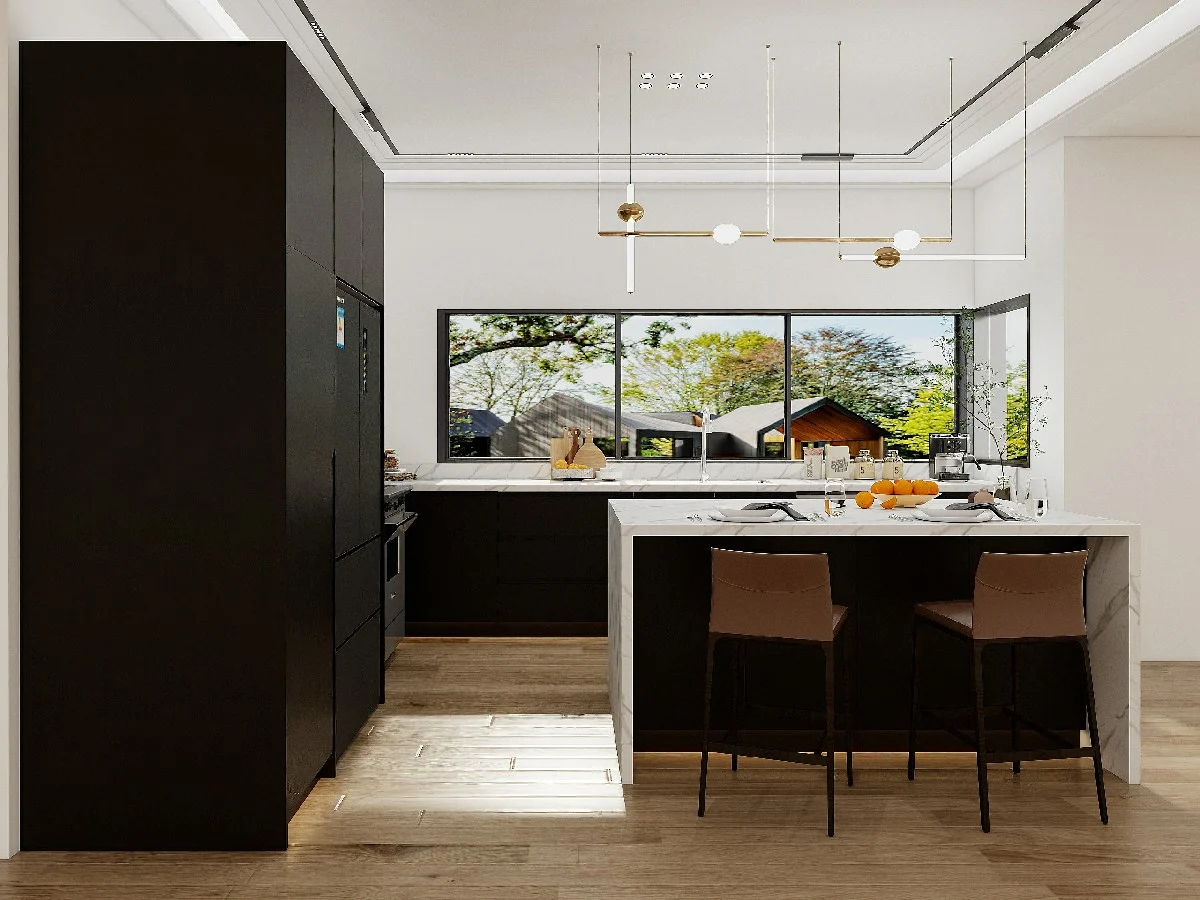
Handleless kitchen cabinets have become a defining feature of contemporary kitchen interiors. By eliminating visible hardware, this approach creates a cleaner façade, stronger visual continuity, and a more refined overall appearance. As a result, handleless kitchen cabinets design is now widely used in modern, minimalist, and open-plan kitchens.
However, a kitchen cabinet without handle design is not a single solution. Different handleless systems vary significantly in structure, usability, and visual impact. Understanding these differences is essential when exploring handleless kitchen cabinet ideas, as the right choice depends on layout, cabinet configuration, and design priorities. The following sections present ten widely used handleless kitchen cabinet ideas, each highlighting a distinct design approach and its ideal application.
1. Gola Profile Handleless Kitchen Cabinets Design
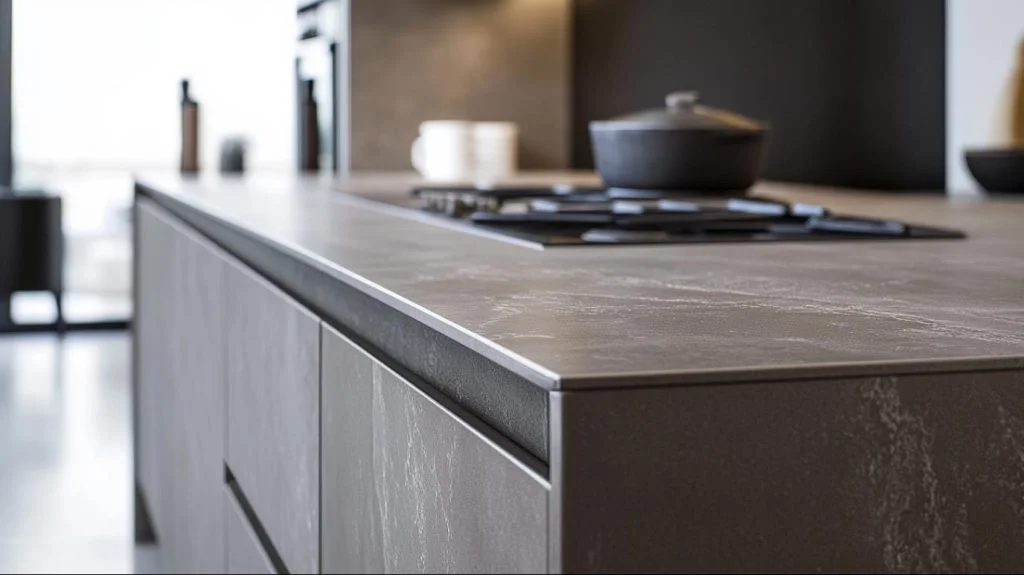
Gola profile systems use aluminum channels installed between cabinet fronts, providing a recessed grip without visible handles. This handleless kitchen cabinets design is widely adopted in European kitchens due to its balance of minimal appearance and structural clarity.
The aluminum profile protects cabinet edges and works well with large drawers and tall units. For projects that require a durable and well-defined kitchen cabinet without handle design, Gola profiles remain one of the most reliable handleless kitchen cabinet ideas.
2. Handleless Kitchen Cabinets Design with an Island Focus
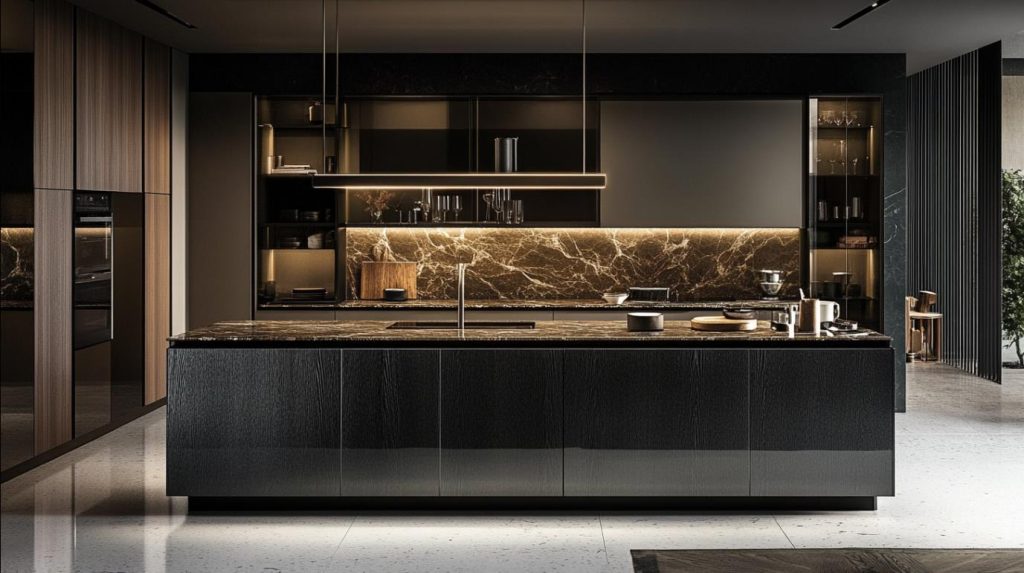
Kitchen islands are well suited to handleless kitchen cabinets, as they are viewed from multiple angles. Removing handles enhances symmetry and improves visual flow around the island.
In many layouts, the island is fully handleless while perimeter cabinets incorporate discreet recessed pulls for functional clarity. This approach allows handleless kitchen cabinet ideas to stand out without overcomplicating the design.
3. J-Pull Handleless Kitchen Cabinets

J-Pull Handleless Kitchen Cabinets integrate a J-shaped or C-shaped groove directly into the cabinet door, allowing the door front itself to act as the handle. This creates one of the most seamless handleless kitchen cabinets design options, with uninterrupted surfaces and a strong architectural presence.
Because the groove is part of the door panel, material selection and edge finishing are critical. High-density boards and durable surface treatments perform better over time, while matte and soft-touch finishes help maintain a clean appearance. Among all handleless kitchen cabinet ideas, J-pull designs are best suited to kitchens where visual consistency is a key priority.
4. Flat Slab Handleless Kitchen Cabinets Design
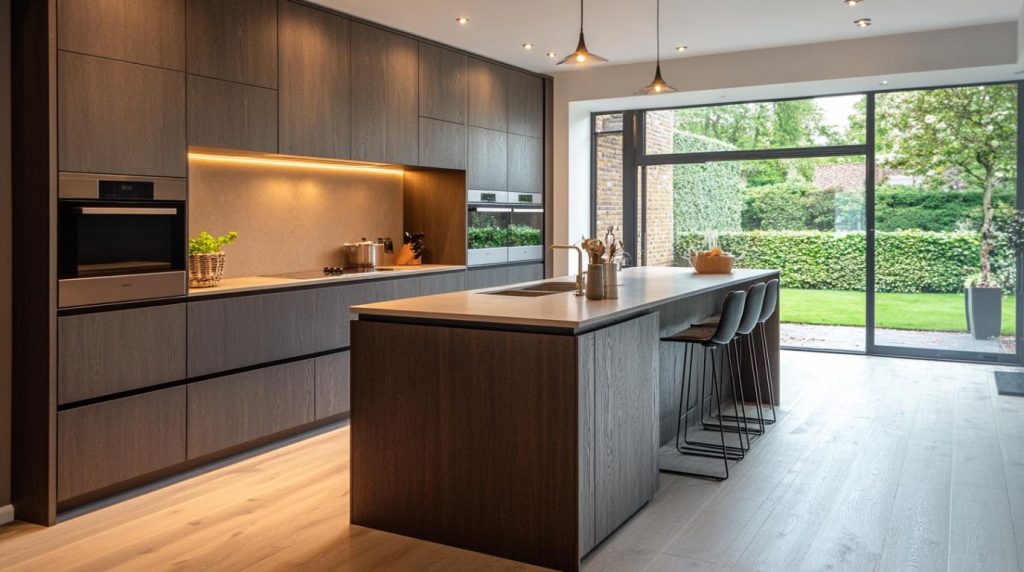
Flat slab cabinets remove all visible detailing, allowing color, texture, and lighting to define the kitchen. With no handles or grooves, this kitchen cabinet without handle design emphasizes proportion and surface quality.
This approach is best suited to larger kitchens and open layouts, where the simplicity of slab fronts feels intentional and refined. Neutral palettes and subtle surface textures help these handleless kitchen cabinets remain timeless.
5. Push-to-Open Handleless Kitchen Cabinet Design
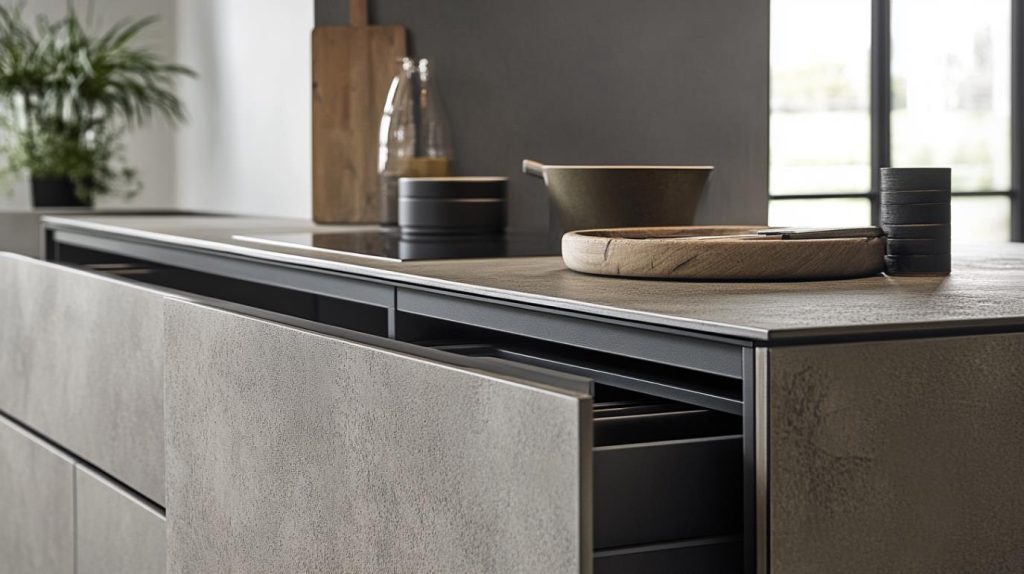
Push-to-open systems rely on concealed mechanisms that release the door when pressure is applied. Visually, this creates an extremely clean handleless kitchen cabinets façade, with no grooves or profiles interrupting the surface.
This handleless kitchen cabinets design is most effective when applied selectively. It is commonly used for upper cabinets, drawers, or secondary storage areas, where a minimal appearance is desired without introducing unnecessary complexity.
6. Integrated Finger Pull Handleless Kitchen Cabinets
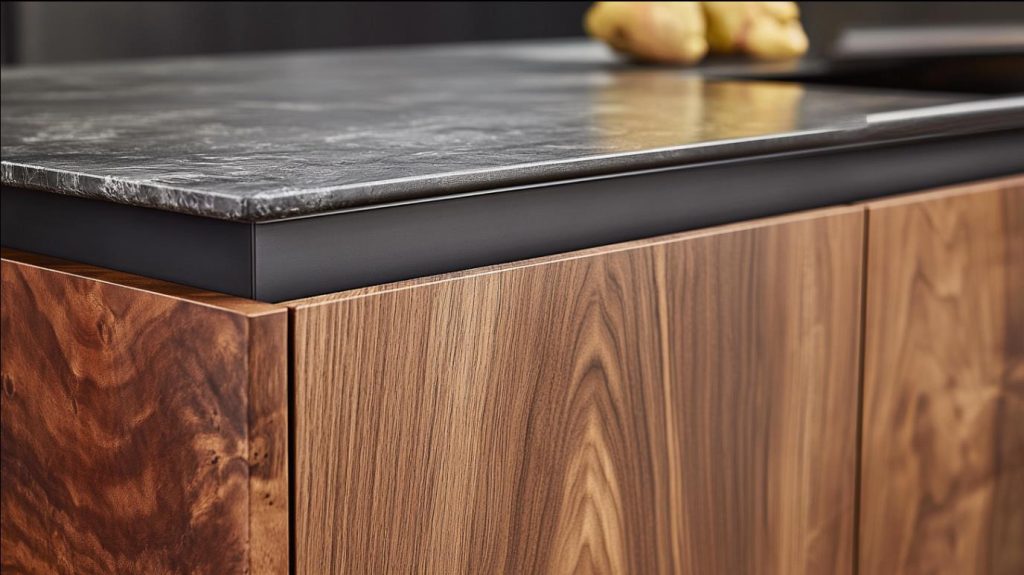
Integrated finger pull designs feature subtle recessed channels along the edge of the door, offering a softer alternative to deep grooves. This kitchen cabinet without handle design maintains a clean look while providing a clearly defined opening point.
Often used in Scandinavian and contemporary interiors, this handleless kitchen cabinets design pairs well with wood finishes and neutral tones. It is one of the most balanced handleless kitchen cabinet ideas in terms of appearance and long-term suitability.
7. Two-Tone Handleless Kitchen Cabinet Ideas
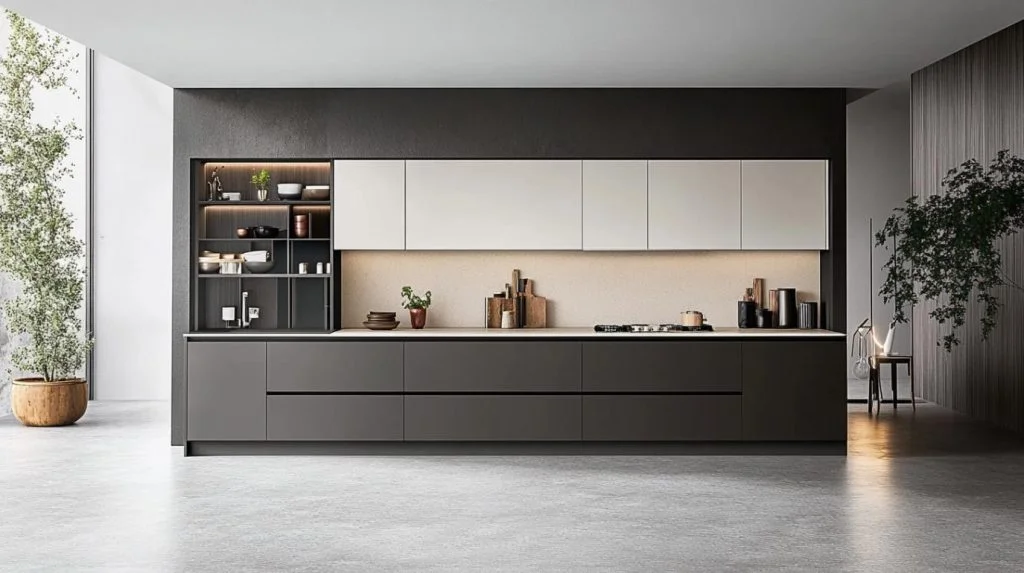
Two-tone handleless kitchen cabinet ideas introduce contrast while maintaining visual order. A common configuration combines darker base cabinets with lighter upper cabinets, adding depth without disrupting the clean façade.
This handleless kitchen cabinets design is frequently used in renovation projects, offering a modern update that remains visually balanced. Limiting the palette to two coordinated tones ensures clarity in the overall kitchen cabinet without handle design.
8. Handleless Kitchen Cabinets for Compact Layouts

In compact kitchens, reducing visual interruption is essential. Handleless kitchen cabinets create continuous lines that help the space appear more open and organized.
Light finishes, vertical alignment, and streamlined layouts further support this kitchen cabinet without handle design, making it a common choice for apartments and space-efficient interiors.
9. Luxury Handleless Kitchen Cabinets Design with Premium Materials
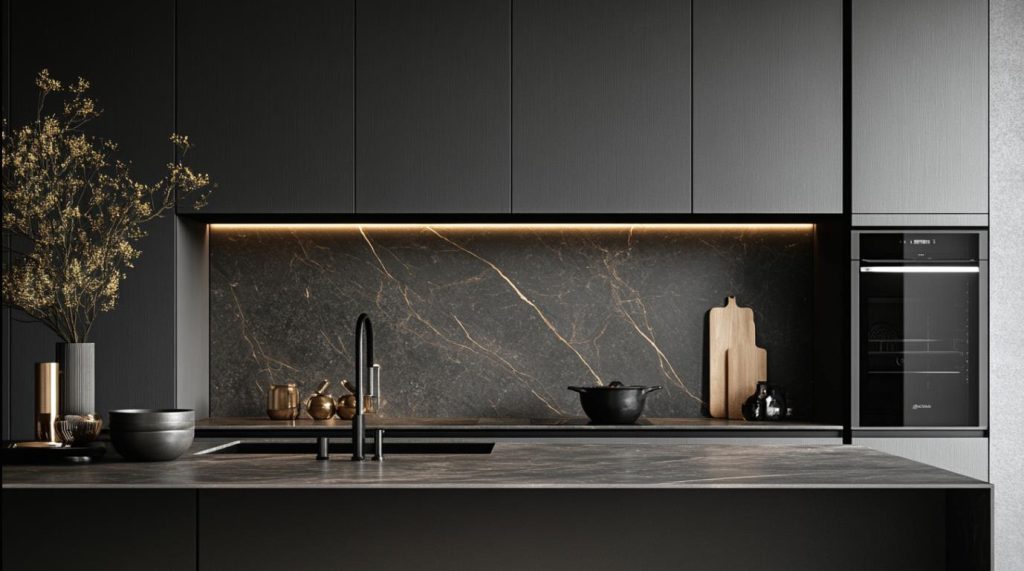
In high-end kitchens, handleless kitchen cabinets design emphasizes material expression rather than decoration. Stone veneers, wood veneers, and refined metal accents define the space through texture and precision.
These luxury-oriented handleless kitchen cabinet ideas rely on careful detailing, clean shadow gaps, and consistent material transitions to achieve a restrained and sophisticated result.
10. Practical Handleless Kitchen Cabinets for Everyday Use
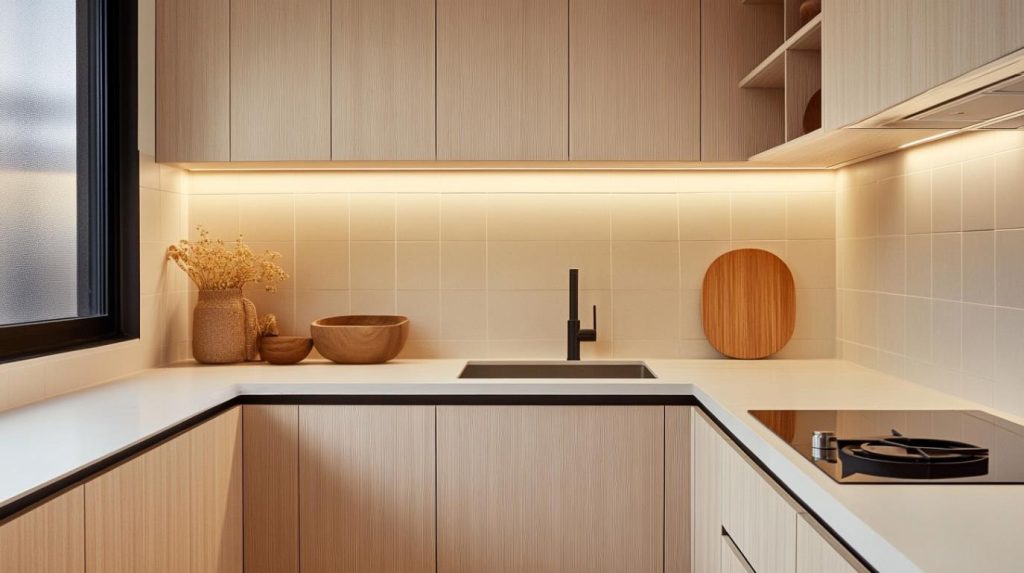
Practical handleless kitchen cabinets for everyday use emphasize usability within a clean, modern framework. Instead of applying a fully handle-free solution everywhere, this approach combines handleless drawers with discreet recessed or low-profile pulls on larger cabinet doors.
This creates a kitchen cabinet without handle design that remains visually consistent while allowing smoother operation across different cabinet types. Among all handleless kitchen cabinet ideas, this option offers the best balance between appearance and practicality, making it suitable for kitchens that require long-term flexibility without compromising design clarity.
Conclusion
There is no single formula for handleless kitchen design. From J-pull systems to Gola profiles and integrated finger pulls, each solution serves a distinct functional and visual role. The most effective approaches are those that respond to the layout, cabinet configuration, and overall design intent, rather than relying on one fixed style.
For new kitchens or custom cabinetry projects, PA Home offers professional support across design development, material selection, and full customization—helping ensure the final solution works seamlessly with both space and lifestyle.
FAQs About Handleless Kitchen Cabinets
Yes, handleless kitchen cabinets can be practical when the right system is chosen. Designs such as Gola profiles or integrated finger pulls offer better durability and usability than fully push-to-open systems. The key is matching the handleless solution to cabinet function, door size, and frequency of use, rather than applying one method across the entire kitchen.
J-pull handleless kitchen cabinets use a groove built directly into the door panel, creating a seamless and minimalist look. Gola profile systems use an aluminum channel between cabinets, offering a clearer grip point and better edge protection. J-pull designs emphasize visual purity, while Gola profiles focus more on durability and everyday usability.
Fingerprint visibility depends more on surface finish than the handleless system itself. Matte, textured, or soft-touch finishes hide fingerprints better than glossy surfaces. In any kitchen cabinet without handle design, choosing the right finish is essential for maintaining a clean appearance over time.
Yes, handleless kitchen cabinet ideas are especially effective in small kitchens. By removing visible hardware, cabinets create continuous lines that reduce visual clutter and make compact spaces feel more open. Light colors, vertical alignment, and simple layouts further enhance this effect.