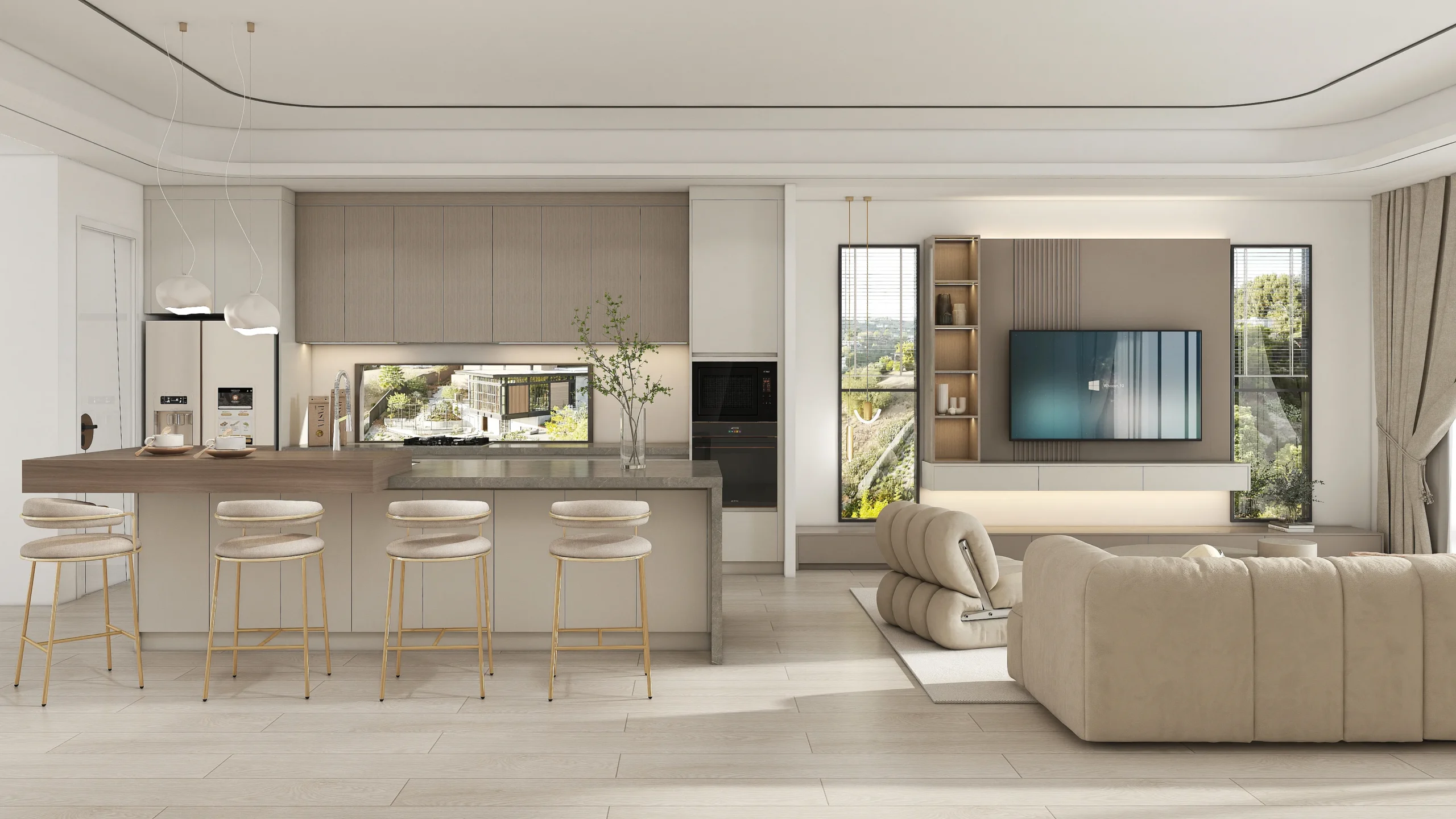
Looking for an elegant window option for your home renovation? Consider French windows! With their timeless design, these windows open up your space, offering a touch of sophistication and a greater sense of openness.
What is a French Window?
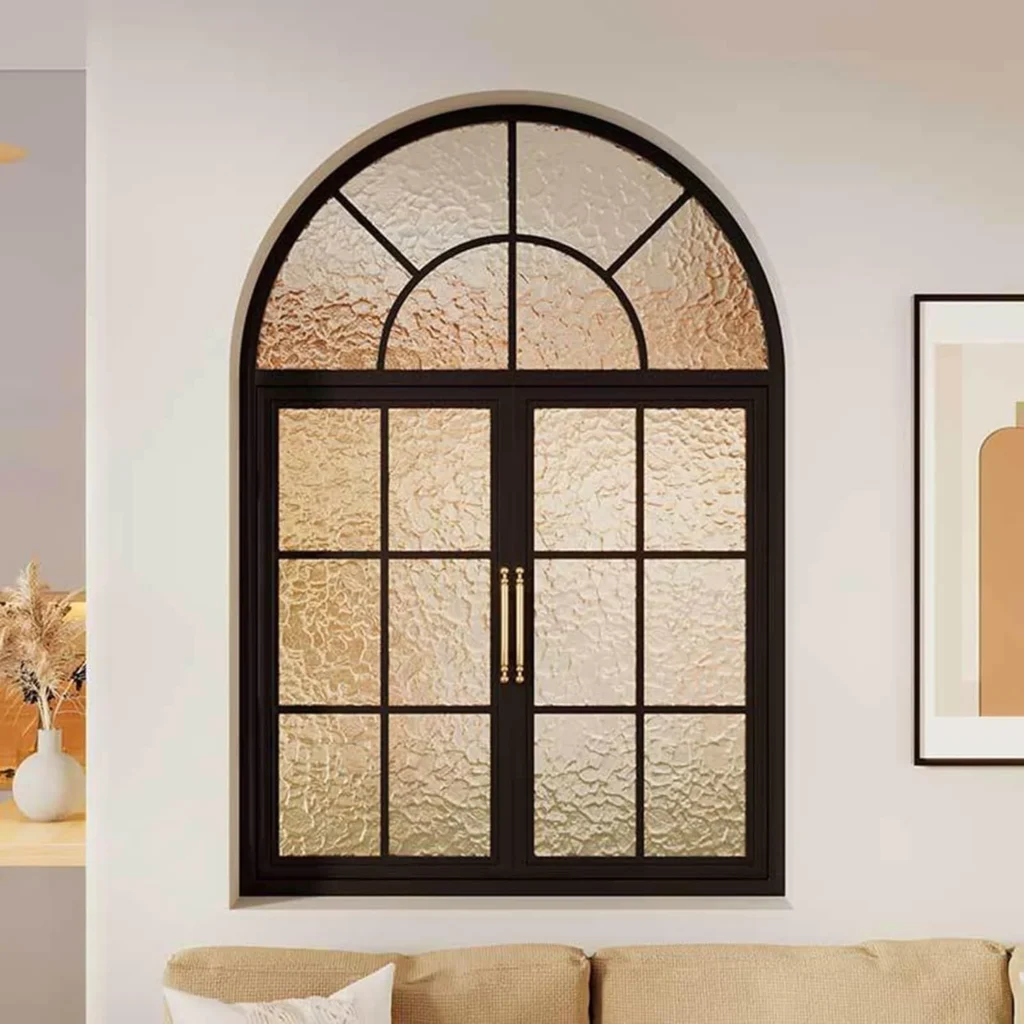
A French window is a type of window design that is often seen in European homes, particularly in France, where they are traditionally called “porte-fenêtre” (meaning “door-window”). This window design typically consists of two tall panels, often with glass panes, that open outward, similar to French doors. French windows were initially popularized during the Renaissance era and have since evolved to become a quintessential part of European architecture, especially in homes that feature an open layout.
These france windows are known for offering a clear view to the outside, allowing natural light to flood into the space, and are often used to connect indoor spaces with outdoor areas like gardens, balconies, or patios. The term “French window” in English-speaking countries refers to these elegant, multi-paned windows, which are a staple of timeless interior design.
How Much Do French Windows Cost?
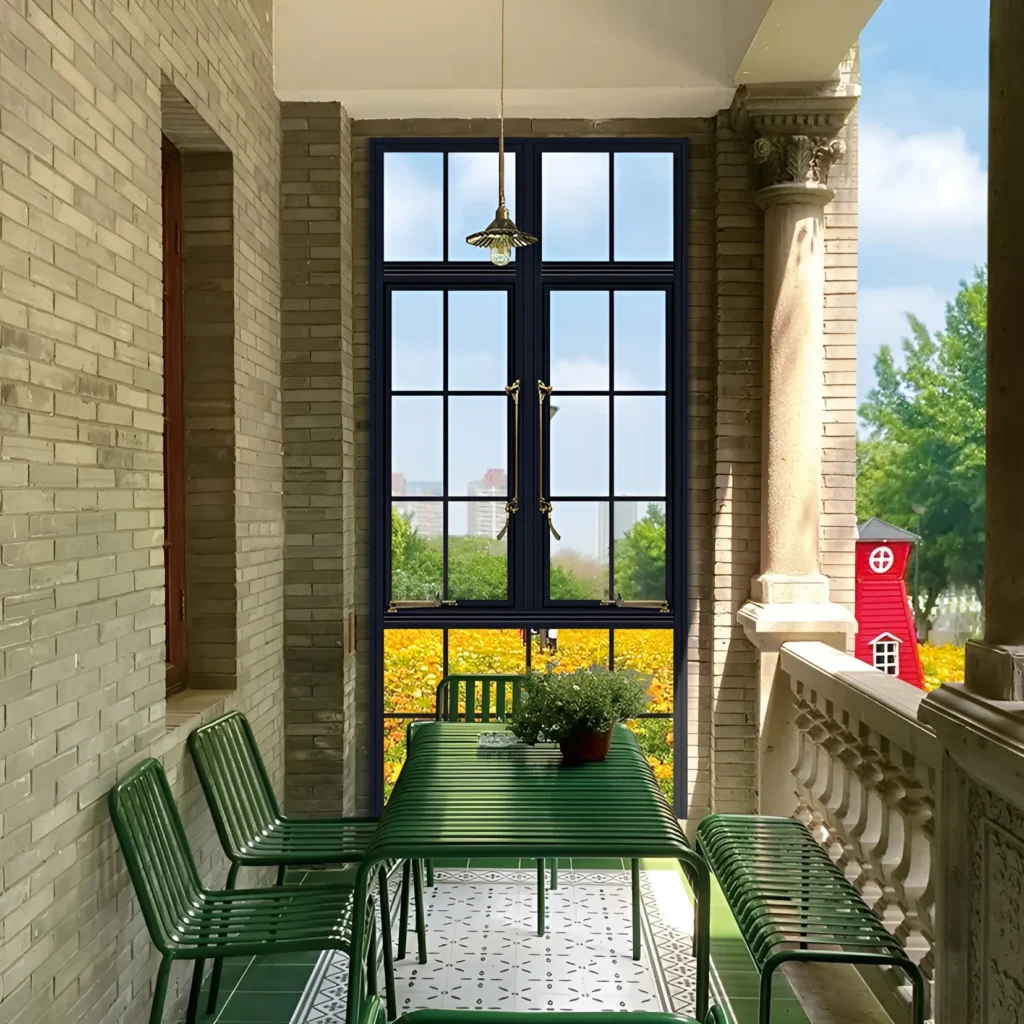
The cost of French style windows can vary significantly depending on several factors, including the material, size, and glazing options. On average, French windows are more expensive than regular windows due to their elegant design and larger glass panels.
Material: Wood, aluminum, and uPVC are common materials used for French style windows, each with varying price ranges. Wood tends to be the most expensive option, while uPVC is more affordable.
Size: Larger French windows or custom-made designs will typically cost more than standard sizes.
Glazing: Double-glazed or energy-efficient glass options can increase the price but provide long-term savings in energy efficiency.
In general, you can expect to pay between $300 to $500 per window for standard French windows, with prices rising for customizations or premium materials.
What is the Difference Between a French Window and a Normal Window?
The main difference between a French style window and a regular window is the way they open. While normal windows typically have one fixed panel with one moveable sash, French windows feature two movable panels that open outward like doors. This gives the window an elegant, door-like appearance, allowing for wider openings and better airflow.
French syle windows also offer more visual appeal compared to standard windows due to their classic, symmetrical design. Unlike regular windows, which may only allow partial light or airflow, French windows open fully, offering a grand view and ample ventilation. Additionally, French windows are often made with multiple glass panes, which makes them stand out aesthetically from single-pane or even double-pane windows.
 More Concerns
 More Concerns
What Are the Pros of French Windows?
French style windows offer numerous advantages, making them a popular choice for homeowners. Here are the main pros:
Natural Light
With their large glass panes, French windows allow an abundance of natural light into the room, making spaces appear brighter and more open.
Ventilation
They can be opened fully, allowing air to flow freely into the room, enhancing ventilation and freshness in your home.
Aesthetic Appeal
French windows add a classic, timeless look to any room. Their symmetrical, elegant design enhances the beauty of both traditional and modern homes.
Indoor-Outdoor Connection
French windows are perfect for homes with gardens, terraces, or balconies, creating a seamless transition between indoor and outdoor spaces.
Energy Efficiency
When paired with double-glazing or energy-efficient glass, French windows can help reduce energy consumption by keeping heat in during the winter and cool air inside during the summer.
What Are the Cons of French Windows?

While French windows offer many benefits, there are a few drawbacks to consider. First, the large glass panes can lead to privacy concerns, especially if your home is close to the street or neighbors. Additionally, the outward-opening design may not be suitable for spaces with limited room, as they require extra space to open fully.
Another downside is security; the bigger glass panels can be more vulnerable to break-ins if not fitted with strong locks or additional security features. Moreover, French windows often require more maintenance than standard windows, with cleaning and upkeep needed to keep the frames and hinges functioning properly.
Where is a French Window Used?
French windows are versatile and can be used in various parts of the home. They are most commonly found in the following areas:
1
Living Rooms
French windows bring a sense of architectural elegance to living rooms, especially when placed beside a balcony or garden.
The tall glass proportions visually lift ceiling height and draw the eye outward, making the space feel more refined and less enclosed. They also work well as a design feature, even when kept closed.

2
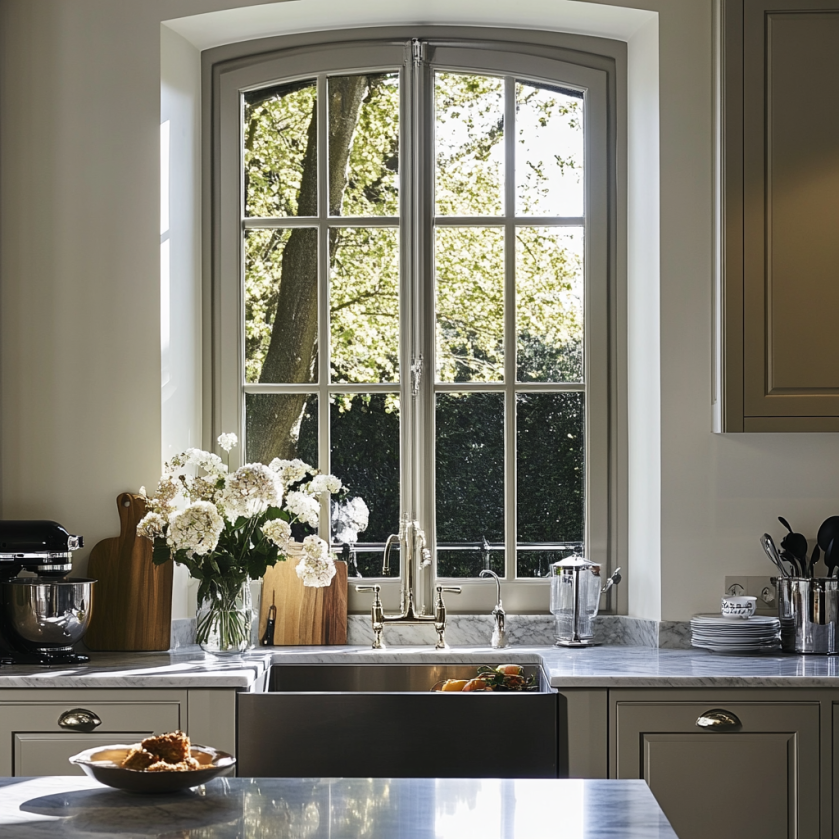
Kitchens
French windows are often used in kitchens to introduce daylight without relying solely on artificial lighting.
Positioned above counters or near dining areas, they improve air circulation and make the kitchen feel lighter and more comfortable during daily use. The visual connection to greenery can also soften the overall kitchen atmosphere.
3
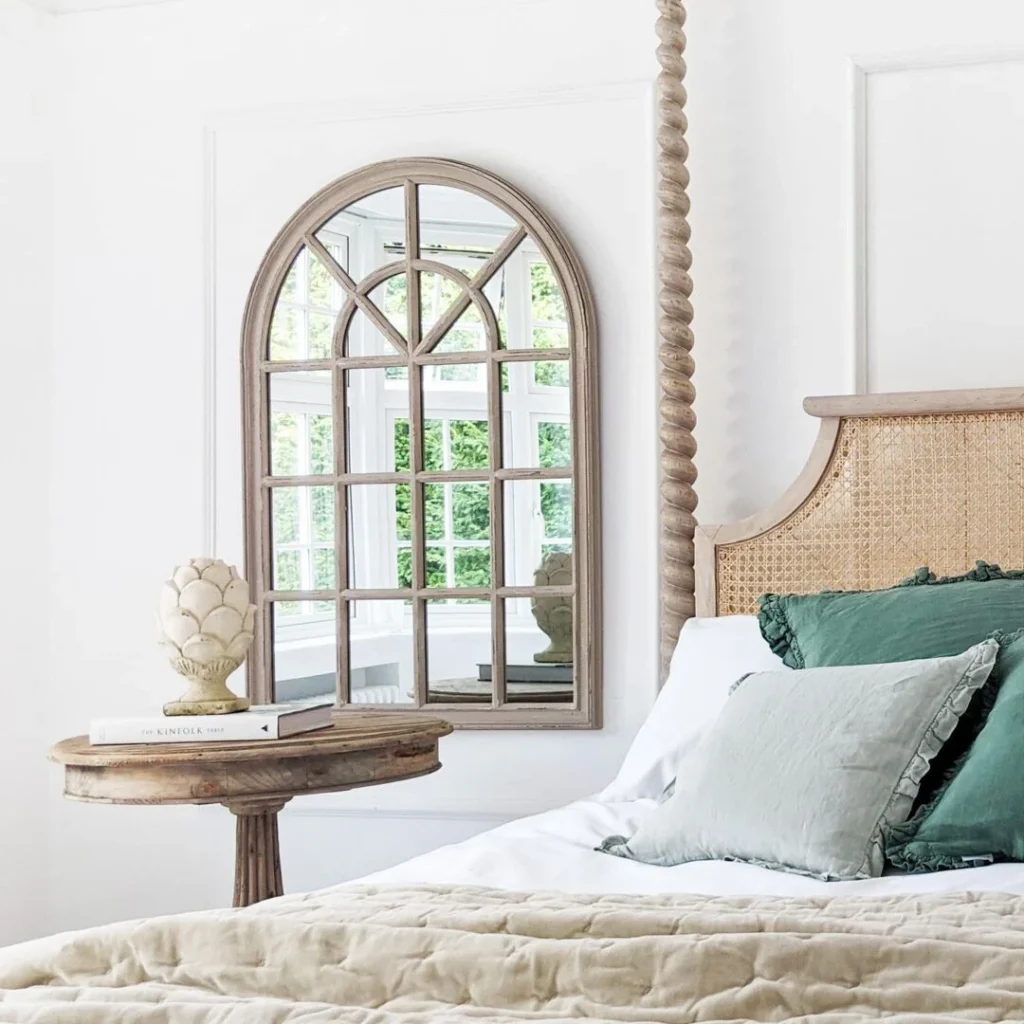
Bedrooms
In bedrooms, French windows create a gentle transition between private space and the outdoors.
Rather than acting as a main focal point, they frame views naturally and enhance the room’s sense of calm. With the right window treatments, they balance openness during the day and privacy at night.
4
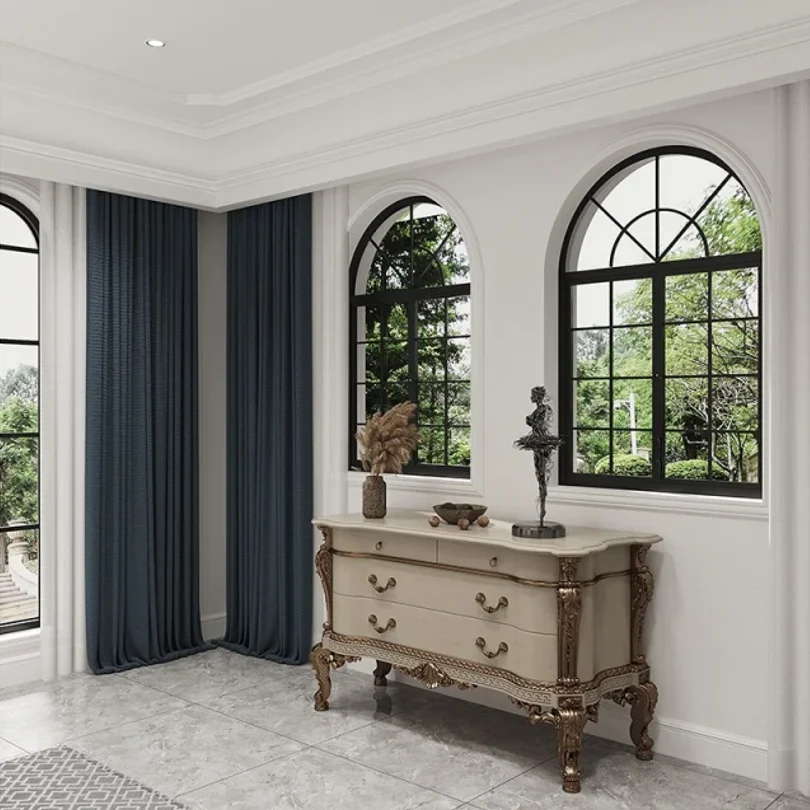
Hallways
Hallways benefit from French windows by gaining natural light where it’s usually limited.
Instead of feeling like a purely functional passage, the space becomes brighter and more visually engaging. In larger homes, French windows can also help define rhythm and symmetry along long corridors.
Are French Windows Good?
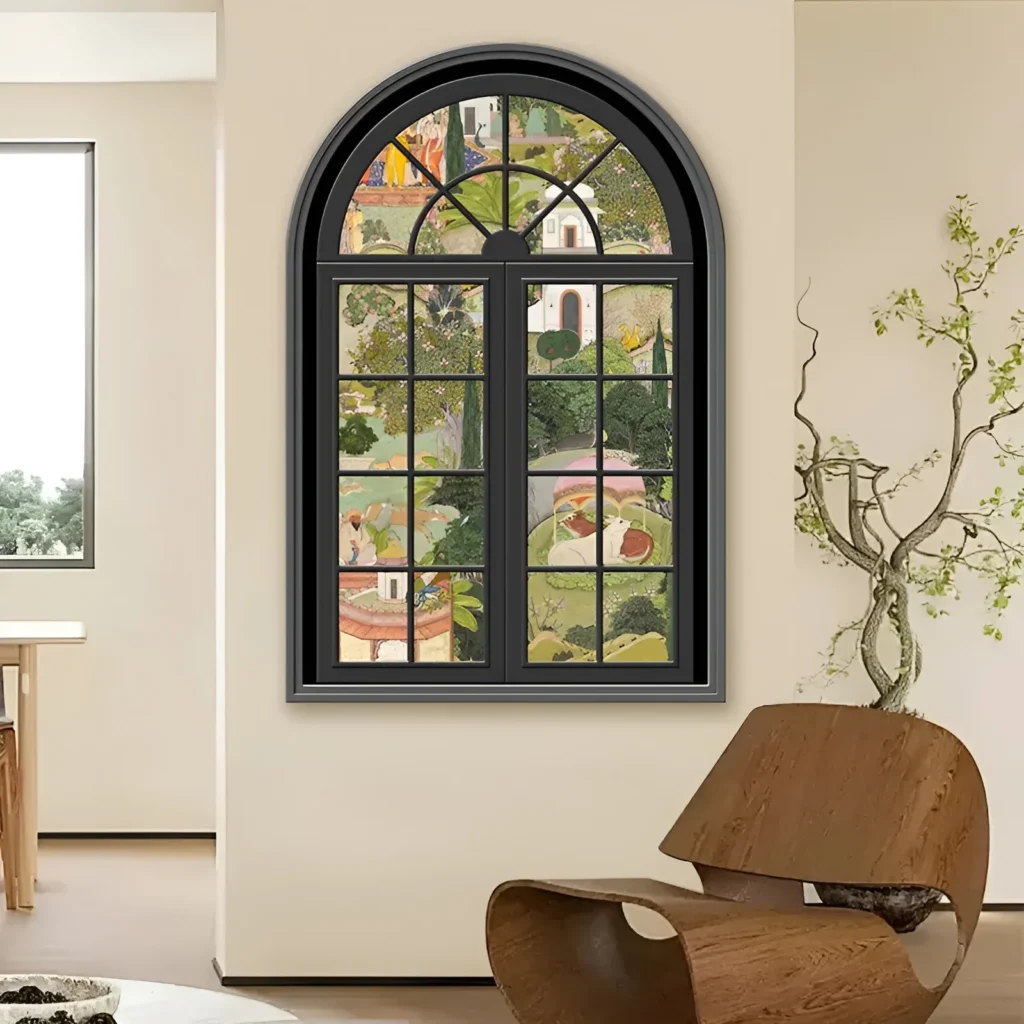
French style windows are a great investment for homeowners seeking elegance, functionality, and energy efficiency. They provide more natural light, better ventilation, and a stylish way to connect indoor spaces with the outdoors. However, it’s important to consider factors such as privacy, security, and maintenance before making a decision.
For homes that can accommodate their features and where these concerns can be addressed, French windows are undoubtedly a fantastic choice. Their ability to enhance the visual appeal of a home and their practical benefits make them a popular option in both modern and traditional design schemes.
Where to Buy French Windows?
If you’re considering installing French windows in your home, PA Home offers a wide range of high-quality, customizable window options. Whether you’re looking for French casement windows, double-glazed options, or energy-efficient designs, PA Home can provide expert advice and tailored solutions to fit your needs.
Contact PA Home today to learn more about our French window designs and to get a free consultation on installation options.
FAQs about French Windows
French windows typically consist of two tall, narrow panels made mostly of glass, with multiple panes. The design is elegant and symmetrical, often used to create a seamless connection between indoor and outdoor areas.
No, French windows are far from outdated. They remain a popular choice in modern and traditional homes due to their classic design, ability to bring in natural light, and their seamless connection between indoor and outdoor spaces.
A casement window has a single panel that opens outward, usually hinged at the side. In contrast, French windows are typically made up of two panels that open from the center, offering a wider opening and a more symmetrical design.
French window design is characterized by its symmetrical, double-panel structure with large glass panes. These windows typically open outward, providing a spacious feel and seamless connection between indoor and outdoor spaces. They offer ample natural light and an elegant, classic look suitable for various home styles.
Yes, French windows are versatile and can be a beautiful addition to modern homes. Their elegant design complements contemporary interiors, allowing for plenty of natural light and enhancing the connection between indoor and outdoor spaces. Many modern designs feature sleek frames and energy-efficient glass for a more streamlined look.
French windows can last decades when properly maintained. The lifespan depends on the materials used; wood windows may need more upkeep but can last 20–30 years, while aluminum or uPVC windows can last 40+ years with minimal maintenance. Regular cleaning and maintenance ensure they stay functional and visually appealing for many years.