
Do you dream of having a door in your home that not only divides spaces but also allows sunlight and views to flow freely? Interior French doors are the “elegant communicators” you’ve been looking for. More than just functional entryways, they elevate your home’s style and create a bright, open atmosphere. This guide will take you through everything you need to know about interior French doors—from the basics to design inspiration—helping you find the perfect “light and shadow door” for your home.
What Are Interior French Doors?
Interior French doors are a classic double-door design, characterized by glass panels (typically small square or rectangular panes) framed by wood. These doors are known for their ability to allow light to pass through, creating an open feel even when the doors are closed.
The charm of French doors lies in their transparency. Unlike solid doors, French doors allow natural light to flow between rooms, maintaining a visual connection that makes spaces feel brighter and more expansive. They clearly define different areas (such as a living room and study or a dining room and sunroom), offering a “divide without isolation” effect.
Today, interior French door designs are more diverse. In addition to the traditional wood frame, there are sleek metal frames with ultra-narrow edges, and the glass options range from clear to frosted, patterned, or decorative grid styles for added privacy. But the essence remains unchanged: French doors bring light and elegance into a home, infusing spaces with romance and flow.

How Much Are Interior French Doors?
Interior French door prices vary depending on materials, size, and customization level. On average, you can find basic interior French doors under $800, while sleeker aluminum‑glass or custom options can go up significantly. According to industry cost guides, interior French doors (material only) typically range from about $600 to $3,000+, with aluminum versions often toward the higher end of that range.
Average Prices of Aluminum Interior French Door
Interior aluminum French doors tend to cost more than basic wood options because of their sleek modern frames and durable glass panels. Aluminum models typically start around the mid‑hundreds to low thousands and increase with size and feature complexity.Here’s a simple chart of aluminum interior French doors at different size levels:
| Size | Approx. Price (USD) |
|---|---|
| 36″ × 80″ | ~$1,000 |
| 60″ × 80″ | ~$2,000 |
| 72″ × 80″ | ~$2,000–$2,400 |
| 72″ × 96″ | ~$2,400–$2,500 |
Note: Prices may vary based on location, labor costs, and customization. For accurate pricing, consult your interior door supplier.
What Are the Pros of Interior French Doors?
Natural Light
French doors allow sunlight to flow freely between rooms, making your home feel brighter and more inviting. Even when closed, they keep the space visually open, reducing the need for artificial lighting during the day.
Space Flexibility
French doors can divide a space while maintaining a sense of connection. They create privacy when needed but can be opened to merge spaces for larger gatherings or everyday use.
Elegant Design
These doors are visually appealing and add a touch of sophistication to any room. They’re perfect for enhancing the overall aesthetic of your home, whether you prefer a classic or modern look.
Increased Home Value
Adding French doors can improve the resale value of your home by increasing its aesthetic appeal and functionality.
What Are the Cons of Interior French Doors?
Privacy
While French doors are great for light and visual openness, they don’t offer as much privacy as solid doors. Clear glass can be problematic in spaces where privacy is essential, though frosted or patterned glass can help mitigate this.
Sound Insulation
French doors, especially those with glass panes, do not block sound as effectively as solid doors. If you need soundproofing in certain rooms, French doors may not be the best choice.
Cleaning and Maintenance
The glass in French doors can accumulate dust, fingerprints, and smudges, requiring more frequent cleaning compared to solid doors. Additionally, the tracks and hardware may need regular maintenance to ensure smooth operation.
Space Requirements
French doors require more space to swing open, which may not be ideal for smaller rooms or tight areas. This can be a consideration if you’re trying to optimize space.
What Are the Standard Sizes of Internal French Doors?

When it comes to interior French doors, the size options can vary depending on your space and needs. However, there are a few standard sizes that are commonly used and widely available:
Single Door Size:
The most common size for a single French door is 30″ x 80″. This size is ideal for smaller rooms or as a passage between spaces like a hallway and a living room.Double Door Size:
Double French doors are typically available in 60″ x 80″ or 72″ x 80″. These sizes are perfect for larger openings, such as between a living room and dining room or to create an open, airy feel in a larger room.Tall Double Doors:
For spaces with higher ceilings, 72″ x 96″ is a common size for double French doors. This size allows for a more grand and expansive look, providing a dramatic entrance while still maintaining an open and connected feel.Custom Sizes:
If your space has unique measurements, custom sizes can be made. For example, custom heights up to 96″ and widths can go beyond the standard sizes to accommodate larger or non-standard openings.
How Do You Choose Interior French Doors?
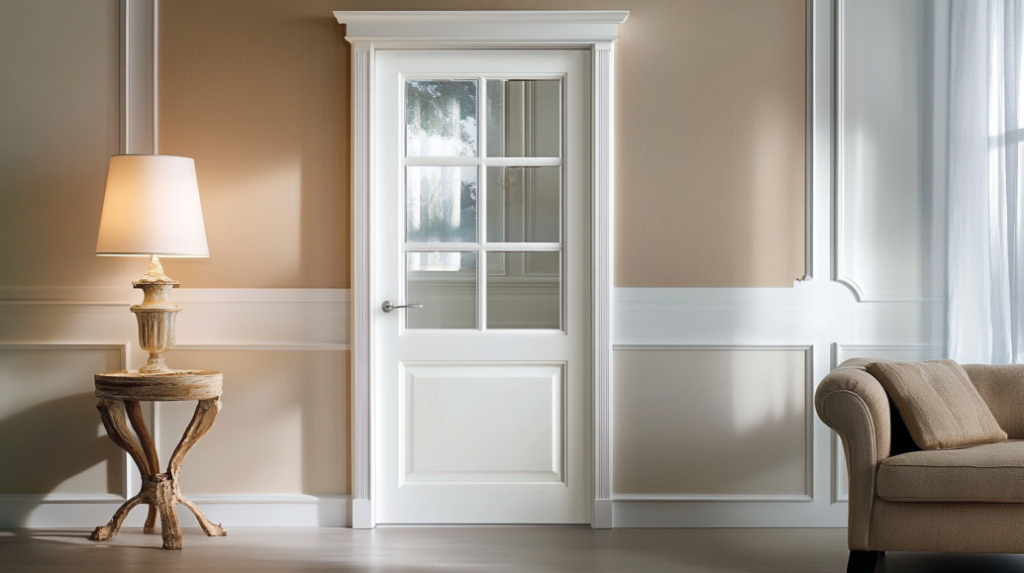
Choosing the right interior French doors for your space involves several factors. Here’s a simple guide to help you make the best decision:
Consider the Room and Purpose
Think about the function of the space where you plan to install the doors. Do you need privacy, soundproofing, or just an aesthetic upgrade? French doors work well in areas where you want a balance of separation and openness. For instance, a home office or bedroom suite may need more privacy, while an open-concept living area or dining room might benefit from a lighter, more open feel.
Select the Right Style
French doors come in various styles, from traditional wooden frames to sleek, modern aluminum or metal frames. Your choice will depend on your overall design aesthetic:
Classic wooden frames suit traditional or rustic designs.
Aluminum or metal frames offer a modern, minimalist look.
Glass panels with grids or frosted glass provide varying levels of privacy and decoration.
Choose the Glass Type
Glass plays a significant role in both the look and function of French doors. Depending on the room’s need for privacy or natural light, you can choose from:
Clear glass for maximum light and visibility.
Frosted or etched glass for added privacy while still letting light through.
Textured or patterned glass for more decorative appeal and moderate privacy.
Pick the Right Size
Standard French door sizes typically range from 30″ to 72″ in width and 80″ to 96″ in height. Measure the rough opening in your space to determine the appropriate door size. Larger or custom doors are available for grander spaces or specific needs, but keep in mind that larger doors may require more space for clearance.
Decide on Swing Type
French doors typically swing in or out. When selecting the swing direction, consider the space around the door:
Inswing: The door swings into the room, requiring less clearance outside.
Outswing: The door swings outward, which can be ideal for rooms with limited interior space but requires more space outside.
Set Your Budget
The cost of French doors can vary widely based on the material, size, and features. Wooden doors tend to be more affordable, while aluminum or custom options are more expensive. Keep your budget in mind and balance between quality and cost. Don’t forget to factor in installation costs as well.
Want to Buy French Interior Doors?

Installing interior French doors can be a straightforward process if you follow the right steps. First, begin by measuring the rough opening where you plan to install the doors. Ensure that the opening is slightly larger than the door frame—typically 2 inches wider and 2.5 inches taller. This extra space allows room for the frame, hardware, and proper sealing.
Next, position the door frame in the opening, checking to ensure it’s level and plumb. Once it’s aligned, secure the frame with screws. After the frame is installed, hang the doors by attaching the hinges to both the door and the frame. Make any necessary adjustments to ensure the doors swing open smoothly and align properly when closed.
Finally, once the doors are hung, finish the installation by adding trim around the door frame and caulking any gaps. This will give the installation a clean, polished look while helping with insulation. With these steps, your new interior French doors will be ready to enhance your home’s beauty and functionality.
Want to Buy French Interior Doors?
Interior French doors are a timeless and elegant choice for any home, offering both style and functionality. Whether you’re enhancing natural light or creating a more open feel, these doors can transform your space.
At PA Home, we specialize in high-quality, custom French doors tailored to your design needs. Contact us today to explore your options and get the perfect doors for your home.
FAQs about Interior French Doors
Interior French doors are generally not designed for outdoor use as they lack the durability and weatherproofing needed to withstand the elements. For exterior applications, it’s best to choose doors specifically rated for outdoor use, such as exterior French doors with weather-resistant frames and tempered glass.
Yes, interior French doors remain a popular choice for homeowners and designers alike. Their timeless appeal, ability to enhance natural light, and elegant design ensure they continue to be a stylish addition to any home, whether in traditional or modern interiors.
To measure for interior French doors, follow these steps:
Width: Measure the rough opening width at the top, middle, and bottom. The width should be slightly larger than the door frame for proper clearance.
Height: Measure the height from the floor to the top of the rough opening. Again, ensure it’s slightly taller than the door for a proper fit.
Depth: Measure the wall thickness to ensure the door frame will fit properly within the space.
Yes, there is a difference. French doors typically refer to doors with glass panels that extend almost the entire length of the door, allowing for natural light to pass through. They are often used to divide spaces while maintaining an open feel. On the other hand, double doors simply refer to any set of two doors that open together, and they can be either solid or have glass panels. French doors are a specific style of double doors, often with glass and a more decorative frame.