When choosing windows for your home, the options can be overwhelming. Two of the most popular types of windows are single hung and double hung windows. While they may seem similar at first glance, understanding the differences between them is crucial in making the right choice for your home.
What is the difference between a single-hung and double-hung window? Let’s realize together!
What Are Single Hung Windows?
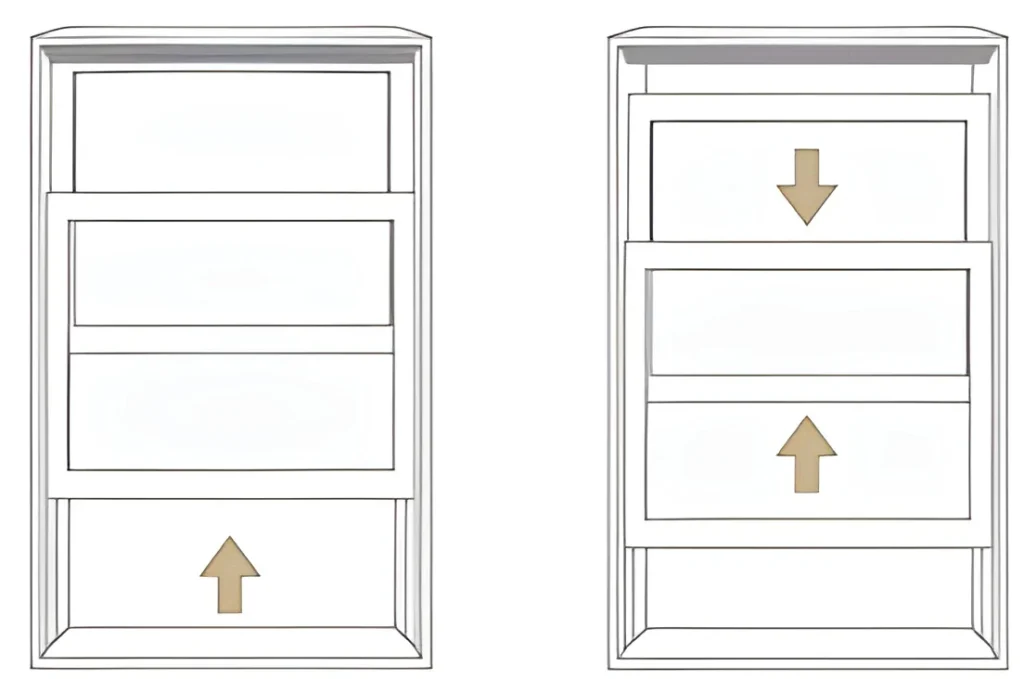
Single hung windows are a classic window design where only one of the two sashes (the parts of the window that hold the glass) moves. Typically, in a single hung window, the lower sash is the only part that slides up and down, while the upper sash remains fixed in place. This design is simple and budget-friendly, making single hung windows a popular choice for many homeowners.
The key advantage of single hung windows is their straightforward functionality and low cost, which makes them ideal for projects on a budget or in areas where window cleaning and airflow are less of a concern. They also tend to have a more traditional appearance, making them suitable for older homes or those aiming for a timeless look.

What Are Double Hung Windows?
Double hung windows are a more modern take on the traditional window design. As the name suggests, double hung windows feature two sashes, both of which can move independently. This means that both the upper and lower sashes can be opened and closed, offering superior ventilation compared to single hung windows.
Double hung windows are particularly popular in newer homes, as their versatility and design appeal to a wide range of architectural styles. The ability to open both the top and bottom sashes simultaneously allows for increased airflow—cooler air can enter through the bottom while warmer air escapes through the top, making them ideal for improving ventilation in your home.
Additionally, many modern double hung windows come with features that make them easier to clean. For example, many models allow the sashes to tilt inward, so you can easily wipe both the inside and outside of the window without the need for a ladder.
5. Double Hung vs Single Hung Windows: Pros and Cons
Now that we’ve covered the basic structure of single hung and double hung windows, it’s time to dive into the advantages and disadvantages of each type. Understanding these pros and cons will help you decide which window suits your home and lifestyle best. Let’s explore the key factors that set these two window types apart.
Pros of Single Hung Windows
Affordable Option
One of the biggest advantages of single hung windows is their cost-effectiveness. With only one movable sash, they are simpler to manufacture and install, making them a more budget-friendly choice.
Classic Look
The traditional design of single hung windows makes them a great match for older or historically styled homes. Their timeless appeal can complement a wide variety of architectural designs.
Energy Efficient
With fewer moving parts, single hung windows generally offer a tighter seal than double hung windows. This can help reduce drafts and improve the energy efficiency of your home.
Low Maintenance
Since only the lower sash is movable, there are fewer parts to maintain, making single hung windows relatively low-maintenance compared to other window types.
Cons of Single Hung Windows
Limited Ventilation
With only the lower sash moving, single hung windows provide less airflow compared to double hung windows. This can be a downside if you’re looking for better natural ventilation in your home.
Difficult to Clean
Because the upper sash is fixed, cleaning the exterior of single hung windows can be challenging, especially for windows located on higher floors. This can make maintenance harder and less convenient.
Less Versatility
The single movable sash limits how you can use the window for both ventilation and design. It may not offer the same flexibility as other window styles, especially in spaces that require a higher level of functionality.
Pros of Double Hung Windows
Superior Ventilation
Double hung windows provide excellent ventilation by allowing both the top and bottom sashes to open. This feature promotes better airflow, as cool air enters through the bottom and warm air escapes through the top.
Easy to Clean
Many modern double hung windows come with tilt-in sashes, making it easy to clean both the interior and exterior of the window. This is especially convenient for high windows or windows on upper floors.
Aesthetic Appeal
Double hung windows have a more modern and versatile design that can suit a variety of home styles. Their flexibility and functionality often make them a preferred choice for contemporary homes.
Better for Larger Windows
Because both sashes move, double hung windows are better suited for larger window openings. They allow for better balance, preventing one sash from becoming too heavy and difficult to operate.
Cons of Double Hung Windows
Limited Ventilation
With only the lower sash moving, single hung windows provide less airflow compared to double hung windows. This can be a downside if you’re looking for better natural ventilation in your home.
Difficult to Clean
Because the upper sash is fixed, cleaning the exterior of single hung windows can be challenging, especially for windows located on higher floors. This can make maintenance harder and less convenient.
Less Versatility
The single movable sash limits how you can use the window for both ventilation and design. It may not offer the same flexibility as other window styles, especially in spaces that require a higher level of functionality.
What Are the Cost Differences Between Single Hung and Double Hung Windows?
Here’s a quick comparison of the costs associated with single hung and double hung windows, from purchase price to installation and maintenance:
| Cost Factor | Single Hung Windows | Double Hung Windows |
|---|---|---|
| Initial Purchase Price | $150 – $600 per window | $300 – $1,000 per window |
| Installation Cost | $100 – $250 per window | $200 – $450 per window |
| Long-Term Maintenance | $50 – $150 per year | $100 – $300 per year |
| Energy Efficiency | Moderate (depending on glass choice) | Slightly higher due to better airflow |
Which Window Is More Durable: Single Hung or Double Hung?

Durability is an important factor to consider when choosing windows for your home, as windows are a long-term investment. Here’s how both window types compare in terms of longevity:
Single Hung Windows: Due to their simpler design with fewer moving parts, single hung windows tend to have fewer components that can wear out over time. This often results in less maintenance and a longer lifespan, provided they are properly sealed and maintained.
Double Hung Windows: While double hung windows offer more flexibility, the additional moving parts (such as the balance systems and hardware for both sashes) can wear down over time, potentially requiring more repairs. However, modern double hung windows are designed with durable materials and high-quality components that can extend their lifespan with proper maintenance.
Which Window Is Best: Single Hung or Double Hung?
In conclusion, the choice between single hung and double hung windows depends on your priorities. Single hung windows are more affordable, energy-efficient, and low-maintenance, making them ideal for budget-conscious homeowners. However, double hung windows offer better ventilation, easier cleaning, and a more modern look, though they come at a higher cost and require more maintenance.
Ultimately, it’s about balancing your needs—whether it’s cost, convenience, or aesthetics. For more personalized guidance, feel free to contact PA Home to explore the best window options for your home.
FAQs about Single Hung Windows vs Double Hung
Single-hung windows have a movable lower sash that allows for ventilation, while the upper sash remains fixed. Fixed windows, on the other hand, do not open and are designed purely for allowing natural light into a space. They offer no ventilation but provide better insulation and a simpler, more sealed structure.
Yes, single-hung windows can be energy efficient, especially if they are equipped with energy-efficient glass and weatherstripping. Their simpler design with fewer moving parts can help reduce air leakage, improving insulation.
Double-hung windows can be safer than single-hung windows if the top sash is opened for ventilation, as it keeps the bottom sash secure. However, always ensure the window is locked when not in use to prevent accidental opening.
No, single-hung windows only allow the lower sash to open. The upper sash remains fixed, making them less versatile than double-hung windows.
Replacing a single hung window typically costs between $400 and $850 per window, including installation. The exact cost depends on window size, material, and location.