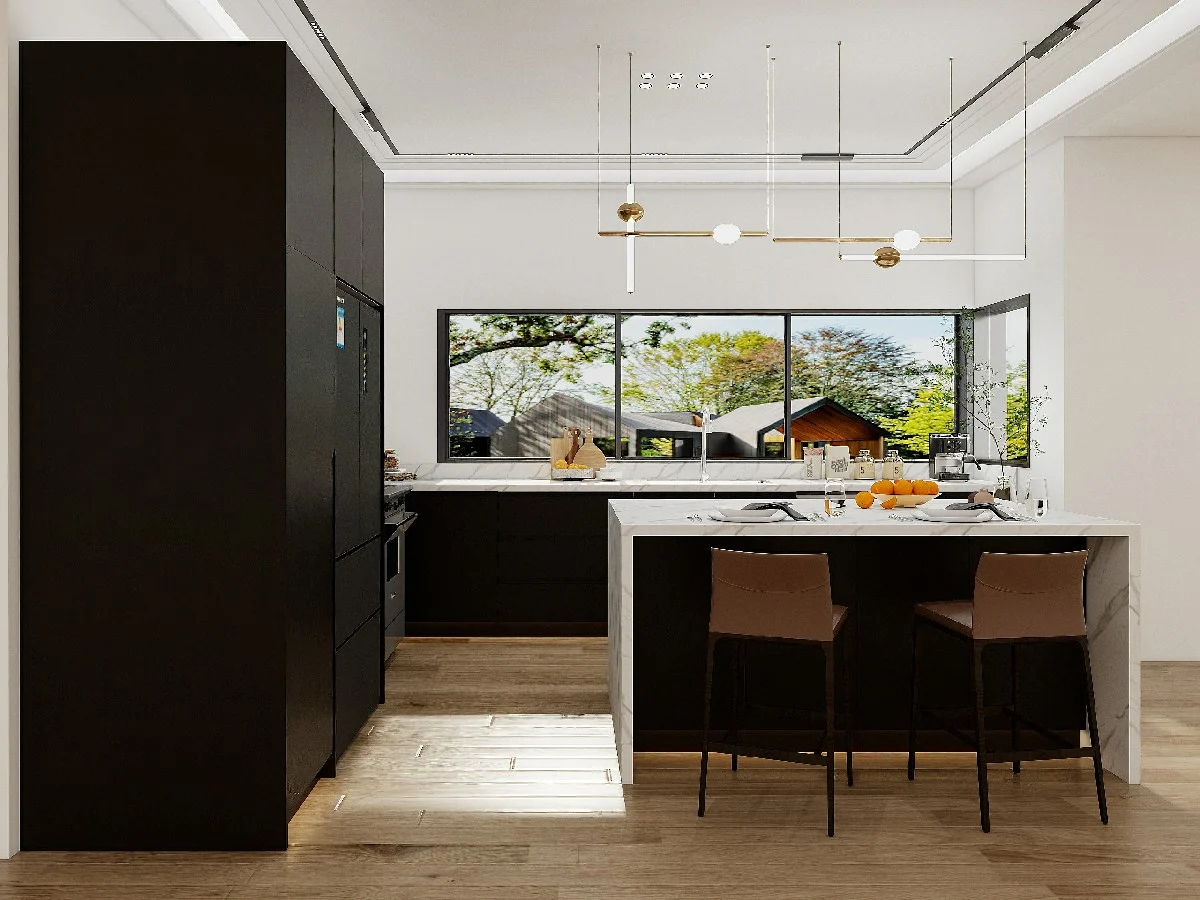
Exterior window colors do more than decorate a house. They shape first impressions, influence curb appeal, and even affect resale value. A good color makes your home feel balanced. A bad one makes everything look “off.”
Many homeowners only notice the importance of window colors after installation—when changing them becomes expensive. So choosing the right one from the start saves time, money, and frustration.
What Are the Most Popular Window Colors in 2025?
Some colors will stay popular for years because they blend beauty with practicality.
Matte black – bold, modern, clean lines
Dark bronze – warm, upscale, works with many materials
Light warm gray – versatile and subtle
Beige / tan – natural and calm
Wood-tone aluminum – modern but warm, low maintenance
These colors appear in new builds, renovations, and high-end architecture.
Which Window Colors Work Best With Different House Styles?
Exterior window colors do more than decorate a house—they help express the character of your architecture. Each home style has its own color vocabulary, and choosing the right shade instantly makes the façade feel more balanced and intentional.
1
Modern Homes
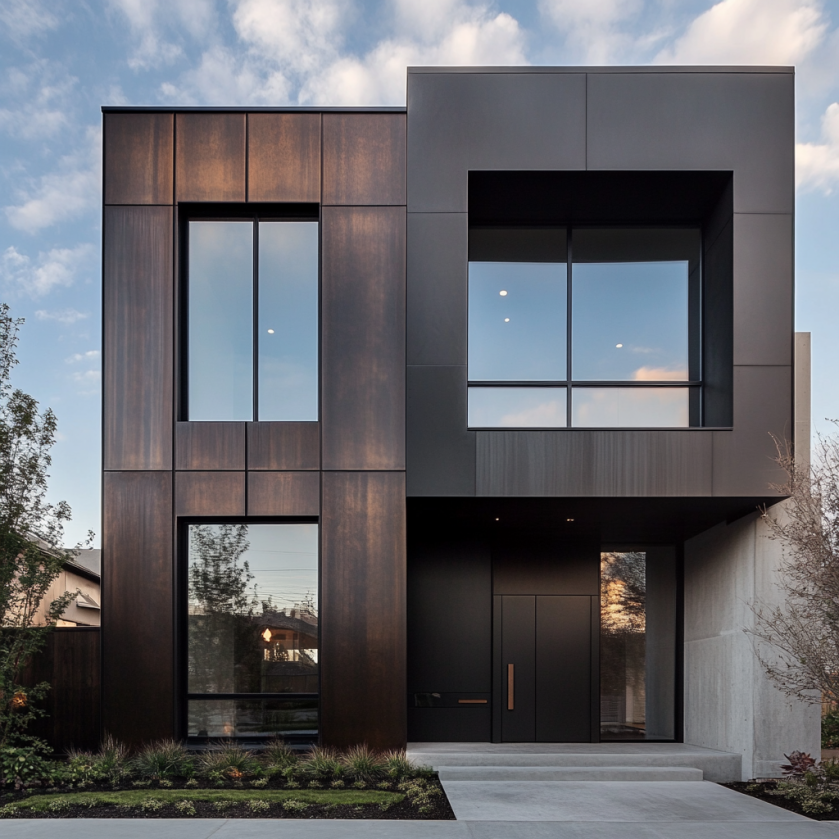
Modern architecture thrives on clarity and clean geometry.
Deep tones like black, charcoal, and dark bronze draw crisp outlines around large openings and smooth surfaces, giving the façade a confident, sculpted presence. These window colors pair beautifully with metal cladding, concrete finishes, and minimalist shapes, enhancing the bold simplicity modern homes are known for.
2
Farmhouse & Traditional Homes
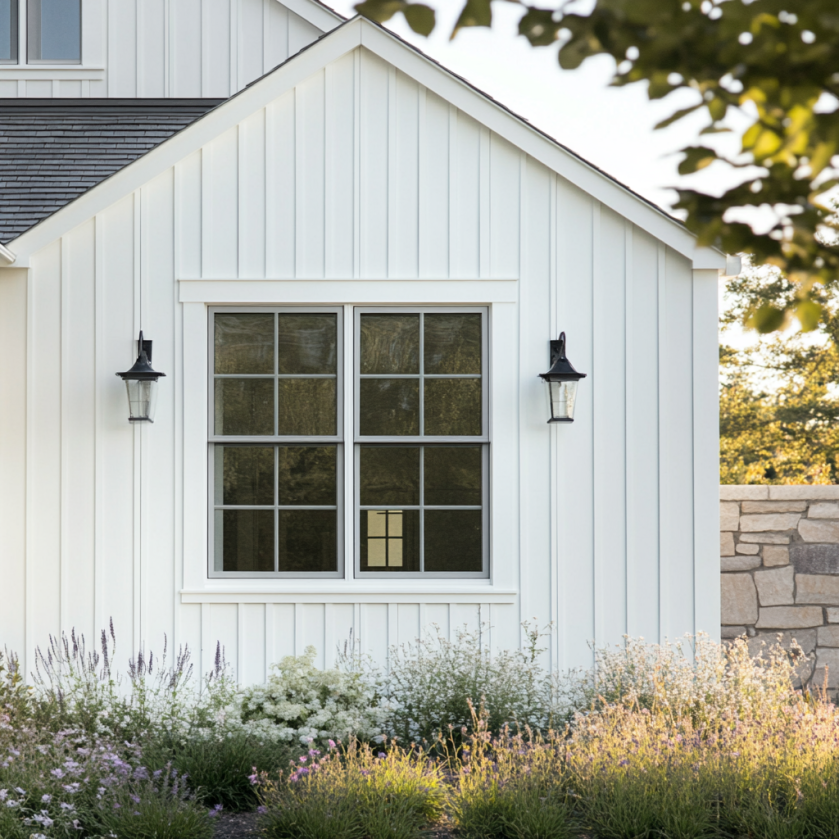
Farmhouse and traditional homes lean toward warmth and familiarity.
White and soft gray windows help keep the exterior bright and inviting, blending effortlessly with clapboard siding, natural stone, or brickwork. Light window colors don’t overpower the architecture—they simply let the classic features breathe and stay timeless.
3
Coastal Homes

Coastal homes embrace a light, breezy aesthetic.
White is always a reliable choice, but soft blues and driftwood-inspired tones also echo the coastal landscape beautifully. These exterior window colors harmonize with sandy beiges, sea-glass greens, and weathered textures, creating a relaxed, sunlit atmosphere.
4
Mediterranean & Rustic Homes
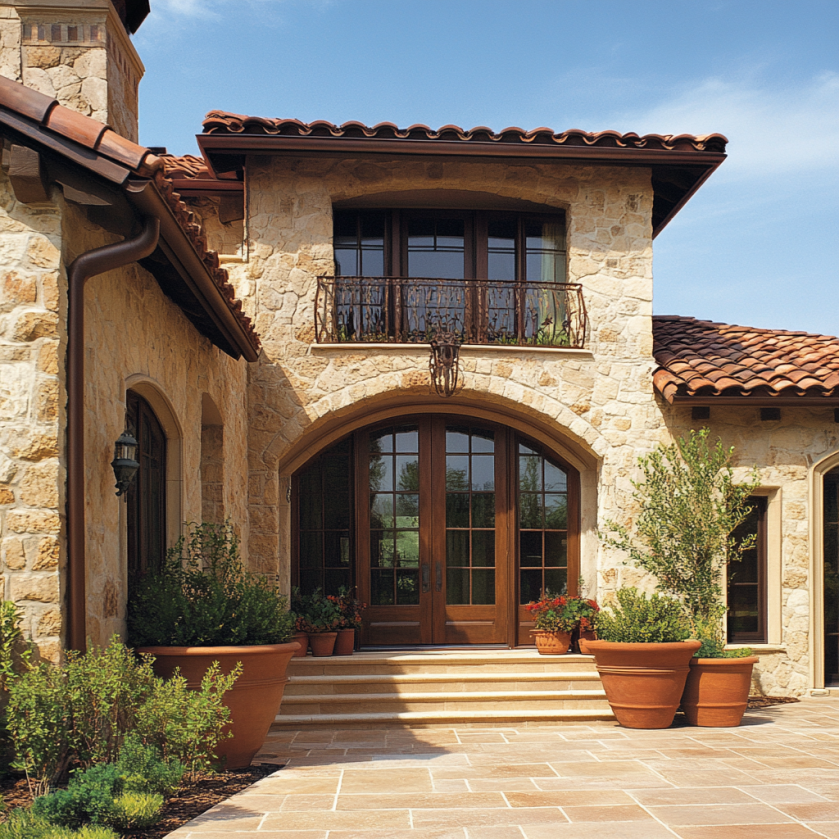
Mediterranean, Tuscan, and rustic homes often feature textured walls, arches, and earthy materials.
Warm tones—deep brown, bronze, and terracotta-inspired shades—blend naturally with stone facades, clay tiles, and wrought-iron details. These window colors amplify the depth and warmth of the architecture, creating a grounded, sun-soaked look.

5
Cottage Homes
Cottage-style homes shine with gentle, desaturated colors.
Sage green, dusty blue, and creamy whites complement the smaller scale of cottage windows and the handcrafted feel of shingles, flower boxes, and cozy porches. These window colors make the exterior feel welcoming and full of character.
Window Color Combinations That Always Work
-
⬛
Black Windows + White Siding: A crisp, modern contrast that suits nearly every contemporary or traditional home.
-
🟤
Bronze Windows + Stone or Beige Walls: Warm, elegant, and naturally balanced—perfect for Mediterranean and upscale rustic homes.
-
🤍
White Windows + Soft Pastel Homes: A clean, classic pairing that keeps the exterior bright, fresh, and inviting.
-
🌲
Wood-Tone Windows + Textured Walls: A cozy, high-end look that enhances stone, stucco, or other richly textured materials.
-
✨
Pro Tip: When in doubt, choose contrast—it almost always delivers a balanced and attractive result.
How Should You Choose Window Colors Based on Your Exterior Materials?
Your window frame never stands alone. It works with the rest of your home.
Siding colors decide how strong the contrast should be.
Trim colors help frame windows and create harmony.
Roof colors also matter more than you might think.
Here are safe combinations:
- Black windows + white or light-gray siding
- Bronze windows + beige or tan walls
- Natural wood windows + stone or textured facades
- White windows + pastel siding
These combinations stay timeless across trends.
How Do Window Materials Affect Color Choice and Durability?
Choosing exterior window colors isn’t just about taste—your window material changes how the color will look, age, and perform over time. Even the same black appears differently on aluminum, wood, or vinyl. Aluminum usually delivers a cleaner and richer tone, while vinyl often looks slightly grayish or fades more easily.
Durability also varies widely. Aluminum frames hold color extremely well thanks to powder coating and anodized finishes. Vinyl has limited color options and struggles in hot climates, where darker colors absorb heat and can cause warping or fading. Wood windows look beautiful but need regular sealing, and fiberglass sits somewhere in the middle—stable, reliable, but usually more expensive.
To help you quickly compare how each material handles color performance, the table below summarizes color range, durability, and approximate price levels (relative tier, not exact cost):
Window Material Comparison Table
| Material | Color Range | Color Durability | Price Level |
|---|---|---|---|
| Aluminum | Widest (RAL full range, wood-grain options) | ★★★★★ | $$–$$$ |
| Vinyl | Limited (mainly white, beige, brown, black) | ★★–★★★ | $ |
| Wood | Natural tones or painted finishes | ★★★ | $$–$$$$ |
| Fiberglass | Moderate range with good uniformity | ★★★★ | $$$ |
If your priority is long-term color stability, aluminum is clearly the most reliable option. If budget is tight and you want basic neutral tones, vinyl works fine—but avoid very dark colors in hot regions. Homeowners who prioritize aesthetics often choose wood, while architects designing modern homes gravitate toward aluminum or fiberglass for consistency and performance.
How Does Climate Influence Your Exterior Window Color Selection?
Climate quietly shapes how window colors age—and choosing the wrong color for the wrong region is one of the most common regrets homeowners have. In hot, tropical regions like Indonesia or Dubai, dark window colors absorb intense heat, causing the surface temperature of the frame to rise, which accelerates aging or fading. Lighter shades such as white, beige, and light gray perform more consistently and help maintain a more comfortable indoor temperature.
In colder climates such as Canada or northern US states, deep colors like black and bronze can actually help improve energy efficiency by absorbing more heat during winter months. Homes in these regions often prefer darker tones for exactly this reason.
If your home sits near the ocean, salt and moisture add another layer of challenge. Here, the finish matters more than the color itself. Anodized aluminum or light powder-coated tones resist corrosion far better than painted vinyl or raw wood, which require more maintenance.
So while choosing window colors feels like an aesthetic decision, the truth is: your climate decides how long that color will stay beautiful. Picking the right combination of color and material can extend the lifespan of your windows and save you a significant amount on maintenance.
How Do Exterior Window Colors Affect Long-Term Maintenance?
Dark colors absorb more heat. This means they can fade or age faster in sunny regions.
Light colors stay cooler but may show dust more easily.
Also pay attention to the finish:
- Powder coating → best long-term performance
- Anodizing → excellent for coastal climates
- Painted vinyl → can peel or fade
- Stained wood → requires periodic refinishing
A stable finish protects your investment and keeps your exterior looking fresh.
How to Avoid Mistakes of Picking Window Colors?
Here are common mistakes you should avoid:
- Choosing a color that clashes with trim or roof
- Ignoring HOA color rules (a costly mistake in many US communities)
- Using too many window colors on one house
- Picking bright colors that fade quickly in sunlight
- Judging colors only in showroom lighting—not in real daylight
Testing colors outdoors before deciding helps prevent regret.
Conclusion
The right exterior window colors can completely transform the look and personality of your home. Whether you prefer bold contrast or soft, timeless tones, choosing a color that aligns with your architecture, climate, and materials will always give you the best long-term results.
If you’re planning a remodel or designing a new home, PA Home can help you explore the latest window designs and trending window colors—contact us to get expert recommendations tailored to your project.
FAQs about Window Colors
Yes. They’re still one of the top choices for modern homes.
Quality aluminum finishes resist fading, but cheaper vinyl may fade faster.
Not always. Matching trim is more important than matching doors.
No. They remain classic and work with most home styles.
Black, bronze, white, and wood tones hold value well.