Bi-fold garage doors bring clean lines, wide openings, and smooth operation to both modern homes and hard-working workshops. This page blends inspiration and practicality: first, ten design directions you can visualize on your facade; then a hands-on guide covering sizing, structure, materials, costs, and installation so you can move from “nice idea” to a solid plan.
10 Best Bifold Garage Door Designs
Below are ten clear design routes—from vertical fold glass-and-aluminium fronts to warm wood awnings, hydraulic big-span builds, and insulated residential sets. For each, we highlight where it works well, what to consider, and the kind of space it suits, so you can quickly shortlist a look that fits your opening and lifestyle.
1. Glass & Aluminium Bifold Garage Doors
Slim aluminum profiles and large glass fields create a lightweight, modern frame with strong lines. Clear, tinted, or frosted glazing lets you tune privacy and solar gain, while thermal breaks and insulated units boost comfort. Hardware can read industrial or disappear into the composition.
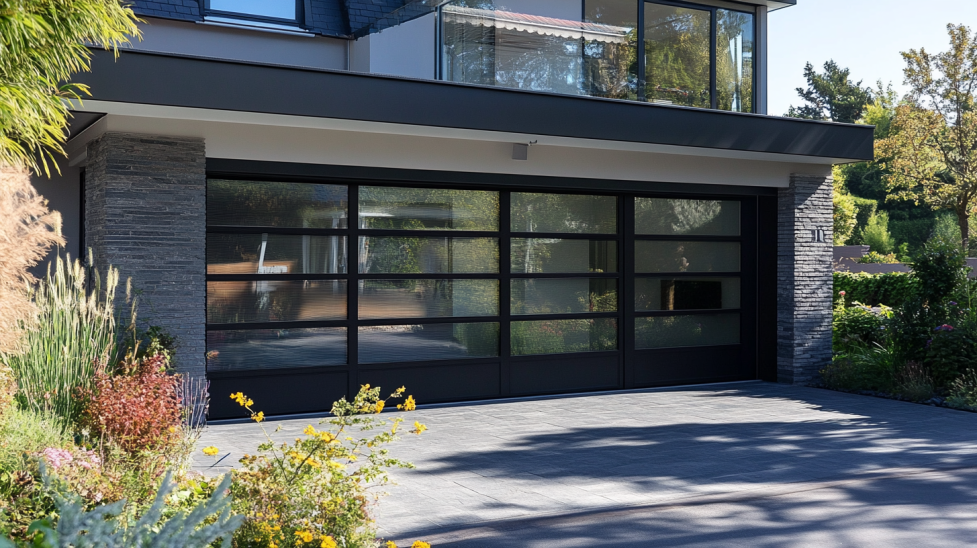
Best for: modern exteriors that favor full-view garage bifold doors and crisp detailing.
2. Residential Vertical Bifold Garage Doors
Panels fold upward to clear the opening, so ceiling fixtures and lighting stay usable. The tall, uninterrupted facade reads clean and architectural, and wind sealing can be spec’d to suit tougher climates. Pair aluminum frames with clear or frosted glazing for a modern look, or insulated panels for quieter, warmer garages.
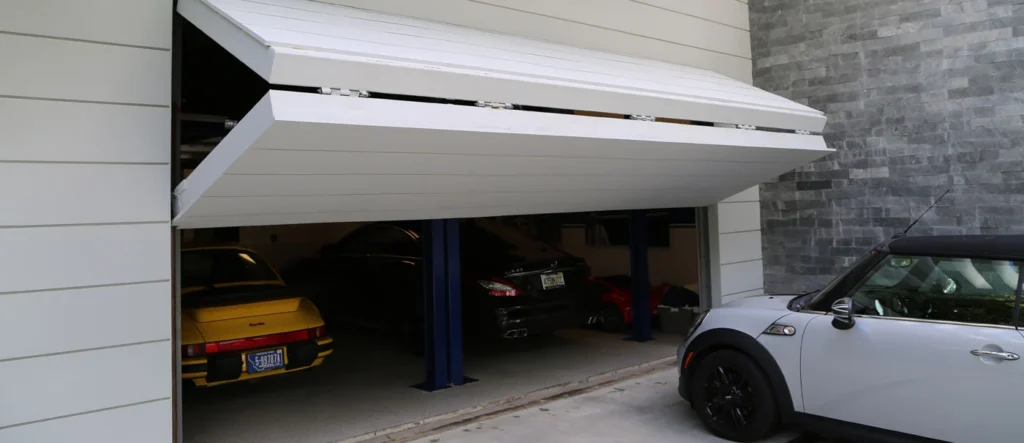
Best for: modern homes with high openings needing vertical bifold garage doors and a tidy interior ceiling.
3. Residential Horizontal Bifold Garage Doors
Engineered for frequent cycles and large spans, these overhead bifold doors emphasize robustness, safety sensors, and easy service access. Finishes range from powder-coated aluminum to steel with vision panels for showrooms. Controls integrate with access systems for staff and deliveries.

Best for: wide openings where horizontal folding garage doors help connect indoors and outdoors.
4. Commercial & Industrial Bifold Garage Doors
Built for big openings and heavy daily use, commercial & industrial bifold garage doors emphasize strength, safety, and serviceability. Vertical overhead bifolds preserve clear interior height for cranes or lighting; horizontal side-fold systems stack neatly along a wall to free the apron. Drives can be hydraulic or hoist/strap with soft start/stop for smooth travel. Expect full safety packages—photo-eyes, light curtains, monitored edges, interlocks—and simple manual overrides for power outages. Glazing bands keep sightlines for showrooms; insulated panels stabilize temps in conditioned shops. Wind-load options, corrosion-resistant finishes, and quick-access service points reduce downtime and total cost of ownership. Controls tie into access systems, fire alarms, and building management so traffic flow stays efficient.

Best for: auto showrooms, service bays, makerspaces, logistics docks, cafés/retail fronts that open to the street, and high-cycle workshops needing reliable overhead bifold performance.
5. Automated Bifold Garage Doors
Motors, sensors, and smart controls bring push-button convenience to daily use. App control, geofencing, and soft-start/stop protect hardware and simplify access. Battery backup keeps the system useful in outages, and soft seals improve insulation.
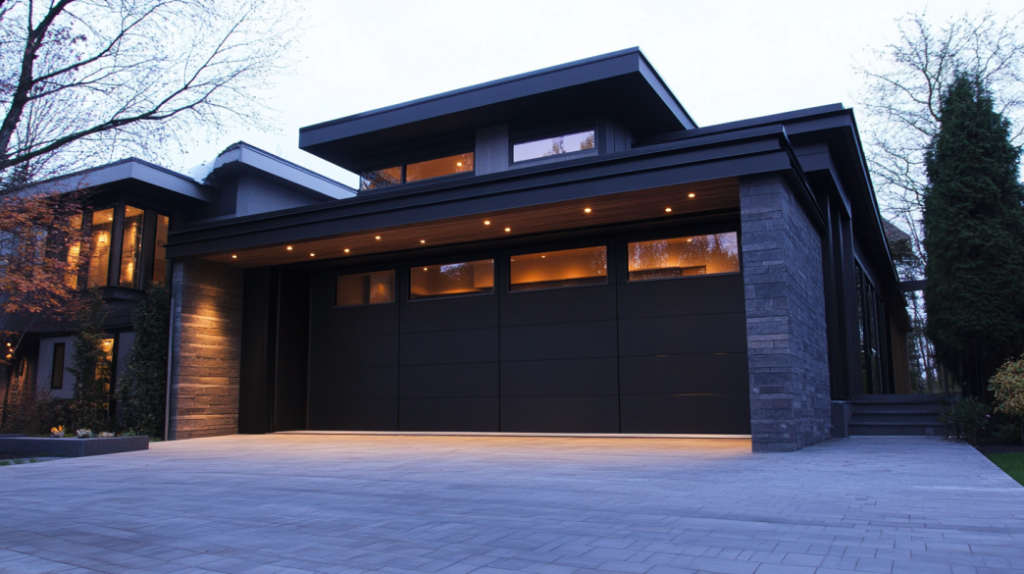
Best for: smart-home setups where automatic bifold garage doors fit a connected routine.
6. Wooden Bifold Awning Garage Door
Warm timber cladding meets a folding/awning action that adds texture to the elevation. Species like cedar, oak, or thermally modified wood deliver rich tone; a clear oil or matte stain keeps it refined. Use hidden frames to keep the wood reading like a single plane.

Best for: homes seeking a natural, crafted look with a modern bifold mechanism.
7. Insulated Bifold Garage Doors with Windows
Foam-core or composite panels improve temperature stability and reduce street noise. Add window modules up high to pull in daylight without sacrificing privacy. This setup suits garages that double as gyms, studios, or hobby rooms.

Best for: multi-use spaces where bifold garage door insulation matters but a bit of glazing keeps it bright.
8. Hydraulic Bifold Overhead Garage Doors
Hydraulic rams lift the door in a smooth, controlled motion, ideal for large, heavy leaf designs and very tall openings. Motion is quiet, travel is predictable, and speed can be tuned. Combine with safety edges and photo-eyes for residential hydraulic garage doors that feel premium and secure.

Best for: luxury homes or studios that want effortless lifting on big formats.
As the door opens, the upper section projects outward to form a small canopy—handy in light rain and visually dramatic. Full-view glass floods the garage with daylight and turns vehicles or workshop features into a display. Opt for laminated or insulated glazing to manage heat and glare.
9. Canopy-Tilt Up Bifold Glass Garage Door

Best for: contemporary facades that want a statement glass bifold with real everyday utility.
10. Ventilated Fold Shop Doors (Mesh/Perforated Panels)
Panels use perforated aluminum, expanded metal, or louvered slats to let air move through the garage while keeping tools and vehicles secure. Daylight filters in, heat and fumes vent out, and the door still reads crisp and modern. Mix solid lower “kick” panels with breathable upper sections, add insect screens where needed, and spec corrosion-resistant finishes for coastal sites. Drive options (strap/hoist or hydraulic) handle frequent cycles, and monitored safety edges keep workflows safe. Hardware is straightforward to service, and wind-load packages are available for exposed elevations.

Best for: workshops, detailing bays, makerspaces, bike garages, and small commercial fronts that benefit from airflow—classic use cases for bifold shop doors and overhead folding door layouts.
The Ultimate Guide to Bi-Fold Garage Doors
Spotted a few favorites? This guide turns those ideas into decisions, helping you choose with confidence and plan your next steps.
What are the Pros and Cons of Bi-Fold Garage Doors?
Before purchasing a garage door, whether it’s an overhead garage door, a folding door, or another type, it’s important to understand the pros and cons of each. This helps reduce the chances of regret later on. Below are the pros and cons of bi-fold garage doors.
Advantages of Bi-Fold Garage Doors
Larger, more usable openings
Bi-fold garage doors open wider than traditional doors, offering more space for vehicles or equipment. Whether it’s a vertical bi-fold that maximizes ceiling height or a horizontal bi-fold that creates a seamless transition between your garage and outdoor area, these doors make it easier to move large items in and out. With fewer obstructions, you gain the flexibility to use your garage in a way that fits your lifestyle.
Modern aesthetics and natural light
Bi-fold doors, particularly those with glass panels, bring a contemporary look to any space. These doors allow natural light to flood your garage, brightening the area and making it feel larger. The sleek, modern design can complement a variety of architectural styles, while also giving you a clear view of the outdoors when the door is open. This not only enhances the overall appeal of your property but also improves the functionality of your garage.
Convenience and automation
Bi-fold garage doors offer the convenience of smooth, automated operation. With the ability to open and close at the push of a button or via an app, these doors eliminate the need for manual effort. Many models come with smart technology that allows for integration with home automation systems, giving you greater control over your garage. Automation also improves the overall user experience, providing safety features like soft-start and stop, which reduces wear and tear on the door while ensuring safe and smooth operation.
Higher security
Bi-fold garage doors offer enhanced security features compared to traditional overhead doors. Many come with built-in safety sensors that detect obstacles, preventing the door from closing if something is in the way. Additionally, bi-fold doors are often equipped with automatic locking mechanisms, making them more secure against forced entry compared to other types of doors.
Disadvantages of Bi-Fold Garage Doors
Higher upfront cost
Bi-fold garage doors generally cost more than sectional or tilt-up doors, especially with custom sizes, glass, and hydraulic systems.
Installation and structural considerations
These doors require precise installation, especially for large or custom sizes. Additional structural reinforcements may be necessary for stability, and it’s best to have them professionally installed.
Energy efficiency concerns
Bi-fold doors with large glass panels can let in heat or cold, potentially affecting energy efficiency if the glazing and seals aren’t up to standard. Proper insulation is important to maintain comfort and reduce energy costs.
How Much Do Bi-Fold Garage Doors Cost?
Costs for bi‑fold garage doors tend to be above standard models because of their larger panels, specialized hardware, and the complexity of the opening system. For typical residential installations, many sources place the range around US$4,000 to US$6,000 for a standard size bi‑fold door with moderate materials and basic automation.
When you move into larger spans, premium materials (such as full‑view glass or heavy insulated panels), or advanced systems (hydraulic drives, smart controls, custom finishes), prices climb quickly—expect US$10,000+, and in some high‑end custom cases over US$35,000.
Below is a quick chart of garage door prices:
| Spec Level | Typical Configuration | Indicative Door Price (USD) |
|---|---|---|
| Entry-Level | Steel/aluminum bi-fold, minimal glazing, manual or basic motor | $3,000–$4,500 |
| Mid-Range | Automated, insulated panels, glass/aluminum mixes, residential sizes | $5,000–$10,000 |
| High-End | Hydraulic bi-fold, large spans, designer glass/metal, premium finishes | $8,000–$30,000+ |
 More Concerns
 More Concerns
- Adding glass or window panels increases material costs and often requires stronger framing and better sealing, which raises the overall price.
- Glass may reduce insulation effectiveness unless it’s upgraded (double‑pane, low‑E, tempered), which further adds cost.
- On the flipside, windows enhance curb appeal and can add value—so while the upfront cost is higher, the design benefit and return may offset it.
What are Standard Sizes for Bifold Doors?
There isn’t a single universal “standard,” but most residential bi-fold garage doors are built to common garage openings. Typical single-car sizes are 8’×7′ or 9’×7′ (≈ 2440/2740 mm × 2130 mm). Common double-car sizes are 16’×7′ and 18’×8′ (≈ 4880/5490 mm × 2130/2440 mm). Vertical bifolds generally follow those openings; horizontal bifolds often span 12–20 ft (≈ 3.7–6.1 m) depending on wall space for stacking.
Many makers also do custom spans—roughly up to 20–30 ft wide and 8–14 ft high (≈ 6–9 m × 2.4–4.3 m) with proper structure and hardware. Measure the rough opening (width, height, headroom, side room, exterior apron) and let the fabricator set the frame size and sealing allowances from that.

How to Choose the Best Bifold Garage Doors?
Choosing the right bifold garage door starts with assessing your space: measure the width and height of the opening, check for side room and ceiling clearance, and examine structural supports. A vertical bifold is superb when you want to keep the ceiling clear or you have a tall opening; a horizontal bifold works well for wide spans and when you want stacking to the side. Be sure to inquire about the exact headroom, side clearance, and apron space required.
Next, match the materials and features to how you’ll use the garage. Want a showpiece or indoor‑outdoor flow? Consider glass‑and‑aluminium frames for light and visibility. Using the garage as a gym, workshop, or storage space? Prioritize insulation, strong seals, and a secure lock mechanism. Also, think about automation—remote control, sensors, smart‑home integration—along with routine maintenance needs: more complex systems often require specialist servicing.
Finally, line up your budget with long‑term performance. A premium hydraulic or glass‑heavy bifold may cost more upfront but provide superior aesthetics and durability; a simpler steel model offers solid value but might compromise on design or insulation. Ask for quotes that break out door cost, automation hardware, installation, and maintenance. Compare warranties, materials, cycle ratings, and service access to ensure you’re investing wisely.

How to Install Bifold Garage Doors?
Installing a bi-fold garage door can be a complex process, often requiring professional expertise. It’s highly recommended to hire a certified installer or work with a garage door supplier who can ensure the door is properly fitted, balanced, and aligned for smooth operation. Incorrect installation can lead to issues such as misalignment, poor sealing, or even damage to the door system.
A professional will also handle the structural reinforcement needed for larger openings and can ensure that the automation system, safety features, and hardware are correctly set up. This ensures long-term performance and reliability, giving you peace of mind.
Top 5 Folding Garage Door Brands
Here are five top brands for folding (bi‑fold) garage doors, each with distinct strengths.

Schweiss specializes in heavy-duty bifold and hydraulic doors and has built a strong reputation in both commercial and residential markets. Their designs include patented features like wrap‑around hinges, spherical bearings, and strap or cylinder lifts for large spans.

Tungsten Royce focuses on custom bi‑fold garage doors (often wood or mixed materials) tailored to upscale residential homes. Their work emphasizes high‑end finishes and bespoke detailing.

Based in Canada, Diamond Doors manufactures folding (bifold) garage and overhead doors. This top garage door brand supply “bifold doors of almost any size” for commercial, industrial and agricultural applications. Diamond Doors garage doors are not only manufactured to high quality, but also fully assembled and ready for shipment.

PA Home is a whole-house customization manufacturer, producing cabinets, wardrobes, aluminum doors and windows, and wall panels. They also market residential bi-fold doors (aluminium-glazed systems) that focus on lifestyle-oriented designs—think seamless indoor/outdoor transitions, modern aesthetics, and high performance.

While better known for sectional garage doors, Clopay is listed among the top garage door brands and may offer folding/large‑span solutions in their product range.

Where to Buy Folding Garage Doors?
Folding garage doors are available through specialized suppliers, home improvement stores, and directly from manufacturers. It’s best to work with a trusted brand or local dealer who can guide you through the options based on your specific needs, whether it’s for residential or commercial use. Be sure to check for warranties, installation services, and customer support.
For high-quality, customizable options, PA Home offers a wide range of bi-fold garage doors. Contact us today to explore the best options for your home or business.
FAQs about Bifolding Garage Doors
A more affordable choice is a sectional overhead door—it uses multiple panels that lift along tracks, making installation and hardware simpler and typically less costly than full-fold bifold systems.
Yes, you can. Bi‑fold doors work well in garage settings, offering wide openings and stylish looks—but you’ll need to ensure your headroom, wall side room, and structural support are compatible.
Another common name for a garage door is an overhead door. This term is often used, especially for doors that open upward, such as sectional or roll-up doors.
A good color for a garage door depends on your home’s overall style and palette. Neutral tones like charcoal, soft grey, or classic white work well in most settings. For a sharper look, you might choose a bold accent—deep navy, forest green, or matte black—especially if your house has clean lines and modern finishes. Match the door to trim or contrast it subtly with the siding for the best effect.
Not always—but sometimes yes. While the base cost for a black garage door might be the same as other colors in many cases, there are additional factors that can raise the price:
Black finishes often absorb more heat, which requires upgraded materials, coatings or insulation to handle thermal stress.
Some manufacturers treat black as a “premium” finish or custom colour, which may incur extra cost or longer lead‑times compared to standard colours.
To maintain performance and aesthetics, black doors might need higher‑quality paint systems, additional maintenance, or surface treatments that add to cost.