Have you ever stood in front of a home and wondered why some windows curve gently while others stick out with sharp angles? That’s the classic battle of bay windows vs bow windows. Both styles brighten a room and create more space, but they do it in very different ways. Think of them as two different paths leading to the same goal—more light, more style, and more personality for your home.
What Is a Bay Window?
A bay window is made of three panels that project outward from the wall, usually at sharp angles of 30 to 45 degrees. The center panel is often larger and fixed, while the two side panels can be smaller and operable, like casement window or double-hung windows.
The design creates a little nook inside your home. Many homeowners turn that extra space into a cozy reading bench, a breakfast corner, or even extra storage. Because of its angular structure, a bay window gives you a panoramic view while still looking bold and modern from the outside. It also pulls in more natural light compared to a flat window, making rooms brighter and more inviting.

What Are the Pros and Cons of Bay Windows?
Pros of Bay Windows
Adds more natural light and improves room brightness.
Creates extra interior space for seating or storage.
Provides a wide view of the outdoors.
Modern, angular design fits many home styles.
Cons of Bay Windows
Installation can be complex and requires structural support.
More expensive than flat windows.
Energy efficiency may be weaker if not sealed properly.
What Is a Bow Window?
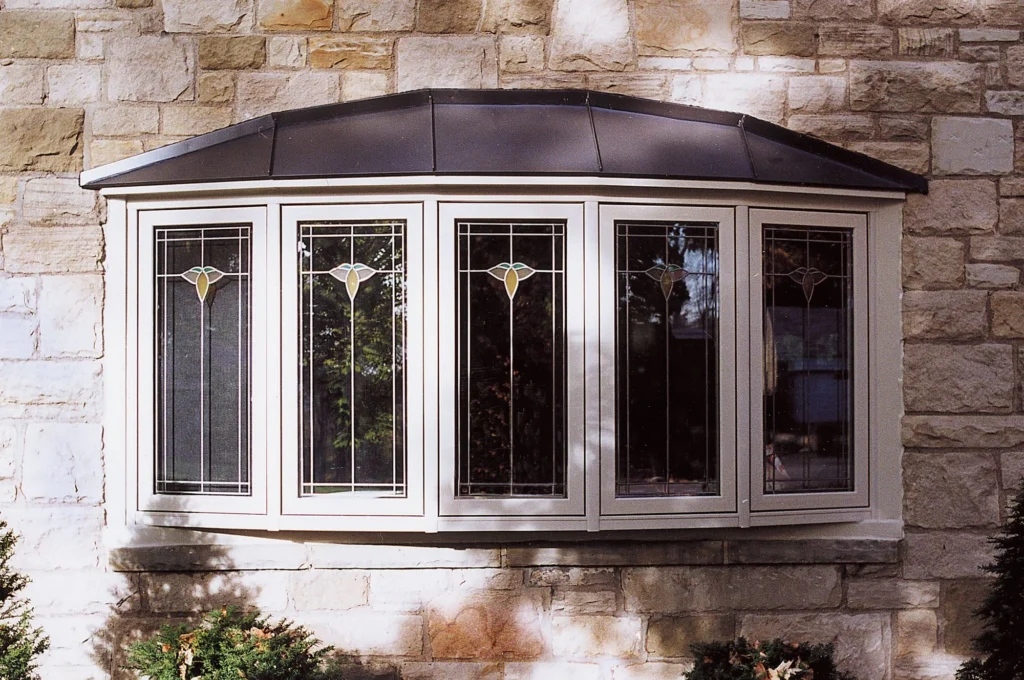
A bow window uses four or more panels arranged in a gentle curve that extends outward from the wall. Unlike bay windows with sharp angles, bow windows form a smooth arc that gives your home a softer, more elegant look.
This curved design allows more glass surface, which means extra daylight and a wider view of the outdoors. From inside, the continuous curve creates a sense of openness and flow, almost like a mini panoramic wall of glass. Many homeowners love bow windows for creating dramatic focal points in living rooms, dining areas, or master bedrooms.
Bow windows also add architectural charm from the outside. Their rounded shape feels classic and timeless, often associated with Victorian homes, but they also blend beautifully into modern designs when paired with the right frame material and finish.

What Are the Pros and Cons of Bow Windows?
Pros of Bow Windows
Allows maximum natural light into the room.
Offers a wider, curved panoramic view.
Creates a graceful, elegant focal point in any home.
Adds strong curb appeal and architectural beauty.
Cons of Bow Windows
Typically more expensive than bay windows.
Requires more wall space for installation.
Complex installation may take longer and cost more.
Differences Between Bay and Bow Windows
At first glance, bay windows and bow windows look like close relatives—they both project outward and invite more light in. But once you look closer, the differences become clear in cost, style, and how they change your living space. Let’s break it down step by step so you can see which option feels right for your home.

1. Bay Windows vs. Bow Windows Cost
Cost is often the first concern for homeowners. Bay windows are generally more affordable because they use only three panels and simpler framing. Bow windows, with four or more panels, require more glass, custom curved frames, and longer labor hours. On average, a bow window can cost 15–30% more than a bay window. According to HomeAdvisor, bay window installations typically range from $1,200 to $3,500, while bow windows can climb above $5,000 depending on size and materials.
2. Bay Windows vs Bow Windows Structure
The structure is the most visible difference. Bay windows have three panels joined at sharp angles, usually 30 to 45 degrees, creating a bold, angular projection. Bow windows use four to six panels set in a gentle curve, forming a smooth arc. This design difference impacts not only appearance but also how much wall space and support each type requires.
3. Bay Windows vs Bow Windows Light and Views
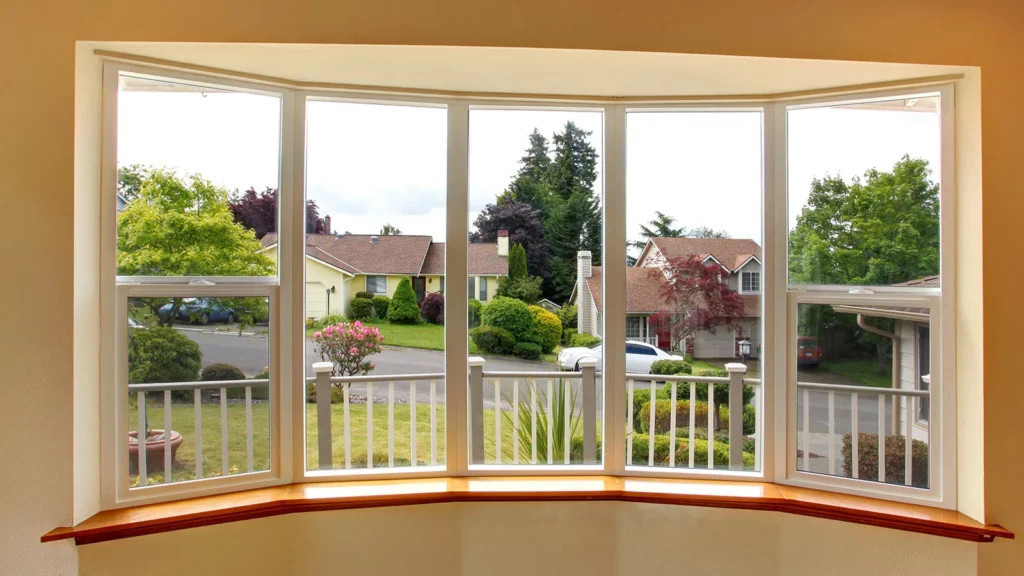
Both window types increase daylight, but in different ways. Bow windows offer more glass surface and provide a wider panoramic view. They’re like a curved screen that wraps the outside world around you. Bay windows, while still bright, give a more focused outlook with a broader central view and angled side perspectives. If maximum daylight is your goal, bow windows win.
4. Bay Windows vs Bow Windows Space
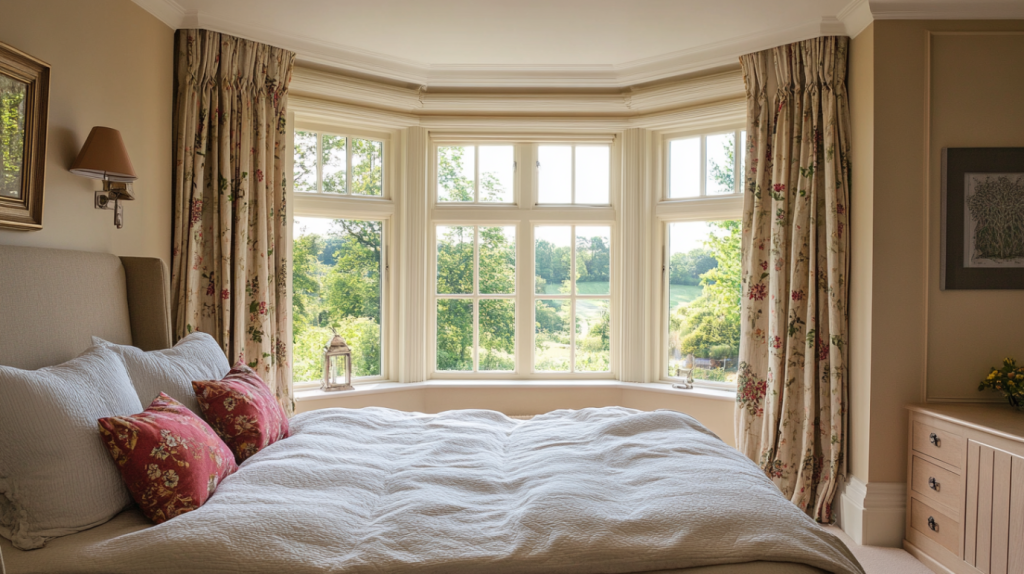
Inside the home, both options extend the room outward. Bay windows create a deeper projection, perfect for adding a built-in bench, desk, or cozy nook. Bow windows create a shallower curve, offering more width but less depth. The result is extra floor space that feels open and continuous rather than sharply defined.
5. Bay Windows vs Bow Windows Energy Efficiency
Energy efficiency depends on materials and sealing quality. Because bow windows have more panels and joints, they can be slightly harder to seal properly, raising the risk of air leaks if installation isn’t perfect. Bay windows have fewer connections, making them easier to insulate. Still, with modern double- or triple-pane Low-E glass, both types can achieve strong performance if installed by professionals.
6. Bay Windows vs Bow Windows Style and Curb Appeal
Bay windows bring a modern, bold look with clean angles. They’re popular in transitional and contemporary homes. Bow windows deliver timeless elegance and are often linked to Victorian or classic architecture, but they can also soften the lines of modern houses. If you want sharp and dramatic, go with bay; if you want graceful and traditional, bow is the better fit.

7. Bay Windows vs Bow Windows Installation
Installation is more straightforward with bay windows since they need fewer panels and less complex framing. Bow windows demand precise alignment of multiple panels in a curve, often requiring stronger structural support or even roof tie-ins. This makes bow window installation more time-consuming and more expensive, and it should always be done by skilled professionals.
Where to Buy Bay Windows & Bow Windows?
Finding the right place to buy bay windows and bow windows is just as important as choosing the style. Local window dealers, big-box home improvement stores, and certified contractors can all provide options—but quality and service vary widely. Always look for suppliers who offer strong warranties, professional installation, and customizable designs that fit your home.
If you’re planning a renovation or a new project, PA Home can help. With years of experience in custom windows and full-home solutions, we provide both bay and bow windows designed for beauty, efficiency, and durability. Our team also supports large-scale projects with design guidance and professional installation.
Ready to start your project? Contact PA Home today for a free consultation and a tailored quote.
FAQs about Bay & Bow Windows
Bay windows work best in living rooms, dining areas, or bedrooms where you want more light and a cozy seating nook.
Most bay windows project 12–36 inches from the wall and are 3–10 feet wide, though custom sizes are available.
A standard bay window costs between $1,200 and $3,500, depending on size, frame material, and glass type.
Bay windows are usually made from wood, vinyl, aluminum, or fiberglass frames with double- or triple-pane glass.
Yes, but it may require structural changes since a bay window needs less wall width but more depth than a bow window.
Bow windows give more light and a wider view, while bay windows create deeper space. The better choice depends on your home style and needs.
Bay windows are generally cheaper. Bow windows cost more because they use extra panels and need more labor to install.