
Imagine turning your basement into a cozy bedroom, with sunlight streaming through large windows, fresh air filling the room, and a sense of calm settling in. But wait—does this makeover truly meet safety standards? Many people may not realize that spaces like basement bedrooms, which are often enclosed, need to have an egress window—a window designed for emergency escape. It’s not just for letting in light; it’s a life-saving exit when you need it most.
So, what exactly is an egress window and why is it so important for home safety? Let’s dive in and find out.
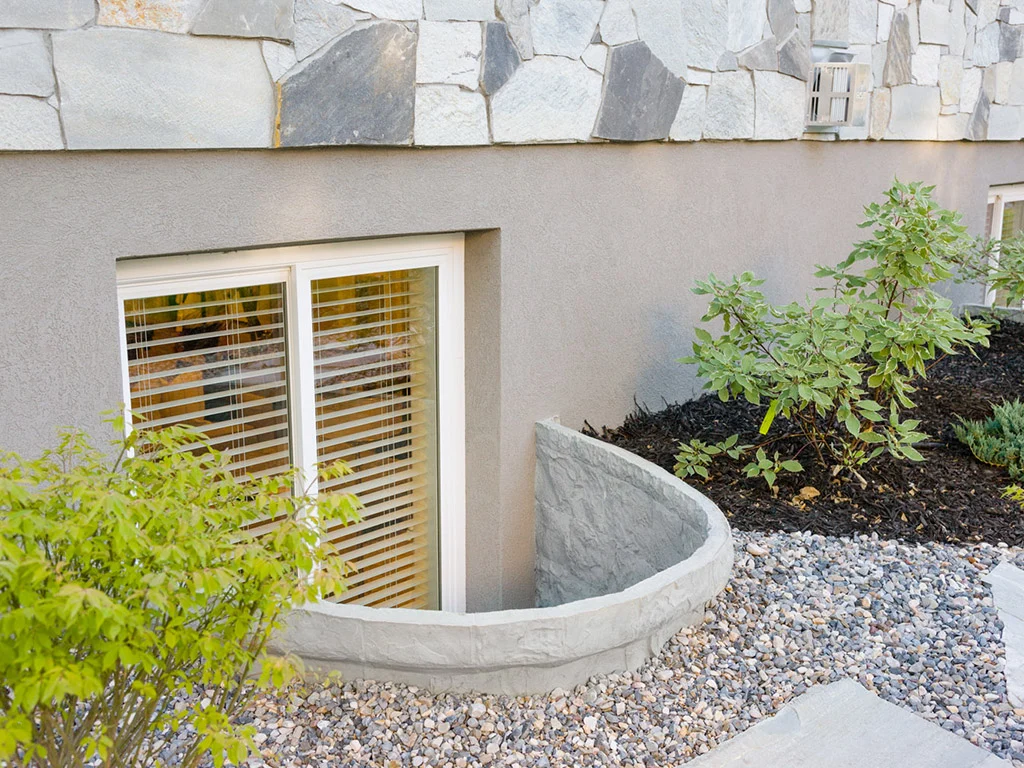
What Is an Egress Window?
Simply put, an egress window is a window specifically designed to provide an emergency exit, often used in basements or rooms that don’t have direct access to the outside. The design requirements ensure that the window is large enough for an adult to escape through quickly and easily in an emergency situation.
Why is it so important? Picture this: a fire or other emergency occurs, and you’re in a basement bedroom. A properly installed egress window gives you a safe, accessible escape route when every second counts. It’s not just a decorative feature; it’s a life-saving “insurance policy” for your home.
Building codes require that egress windows meet certain standards for size, opening mechanism, and window sill height. It ensures enough space for an adult to get through, and that the window can be used easily during an emergency. So, it’s not just an aesthetic element but a vital component of your family’s safety.
Now, picture a basement without one. It becomes a space that might look great but doesn’t meet safety requirements. Installing an egress window ensures your basement is both functional and safe, giving your family peace of mind.

How Much Does an Egress Window Cost?
The cost of installing an egress window typically ranges between $2,500 and $5,500, with the average price around $3,500. Basic installations for smaller windows can start as low as $880, while more complex projects, including excavation and custom windows, may cost upwards of $8,000. Factors that influence the price include the window type, labor rates, and whether any excavation or window well installation is required.
For example, materials like casement and sliding windows usually range from $150 to $750, while labor costs can range from $100 to $1,000 depending on local rates and the complexity of the job. Additionally, permits and excavation (if needed) can add extra costs, often ranging from $50 to $300 for permits and $50 to $200 per cubic yard for excavation. It’s important to consider these factors when budgeting for your egress window installation.
What Size Is an Egress Window?
When it comes to egress windows, size matters—literally. These windows must meet specific size requirements to ensure they provide a safe and efficient escape route during an emergency. The goal is to have enough space for an adult to climb through quickly and easily, even in stressful situations.
In general, building codes in many regions (like the U.S. and Canada) require egress windows to have a minimum clear opening of at least 5.7 square feet (0.53 m²). This refers to the actual space you can pass through, not the total window size. The minimum width of the opening should be at least 20 inches (50 cm), and the minimum height should be 24 inches (61 cm).
For basements or rooms with a window well, it’s also important to have adequate clearance in the window well—usually at least 36 inches (91 cm) deep—so you can easily open the window and escape without any obstacles in the way. The window itself must be operable without the use of keys, tools, or special knowledge, ensuring it can be opened quickly in a crisis.
If you’re planning on installing an egress window, make sure the size of the window opening meets these minimum requirements to ensure compliance with local building codes and, more importantly, to provide a safe escape route for your family. So, when choosing the right window, keep these measurements in mind—because when it comes to safety, a little extra space can make a big difference.
How Do Egress Windows Improve Home Safety and Livability?
Egress windows aren’t just a box to check off for code compliance—they play a crucial role in both the safety and comfort of your home. Let’s explore how these windows contribute to a safer, more livable environment.
Safety
The primary function of an egress window is to provide a safe emergency escape route. In the event of a fire or other disaster, traditional small windows or windows that don’t open wide enough can become a barrier rather than a solution. Egress windows ensure that in a worst-case scenario, there’s a clear and accessible path to escape. Whether it’s a basement bedroom or a living space without direct access to the outside, these windows help keep you and your family safe.
Better Ventilation and Natural Light
Beyond safety, egress windows also enhance livability by letting in more natural light and improving air circulation. Basements, in particular, can often feel dark and stuffy, turning what could be a cozy room into a gloomy, cramped space. Egress windows help brighten up these areas, making them feel more inviting and comfortable. With the added benefit of better airflow, you’re not just creating a safer space; you’re making it more pleasant to live in.
Increased Property Value and Usability
In addition to their safety and comfort benefits, egress windows can increase the functionality of your home. For homeowners looking to convert basements into bedrooms or living areas, egress windows make the space legally compliant and usable. Not only does this provide you with additional living space, but it can also significantly boost your home’s value. Buyers will see the added potential of a basement with proper egress windows and will be more likely to invest in a space that is safe, bright, and comfortable.
Which Egress Window Styles Are Best for Different Home Layouts?
When it comes to choosing the right egress window for your home, the style you select can depend on several factors, including your room layout, space limitations, and personal design preferences. Let’s explore some of the most common egress window styles and how they work best in different home layouts.
Casement Windows
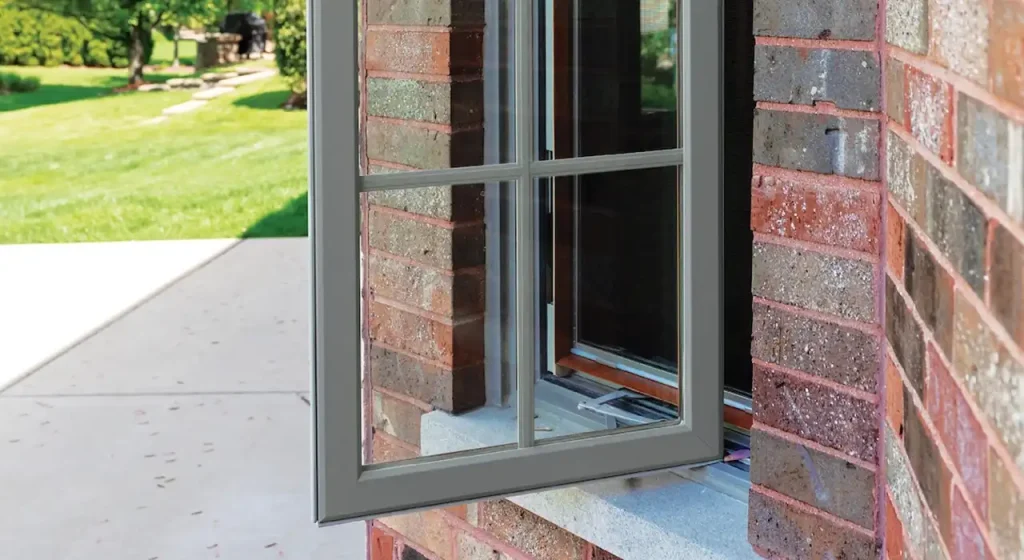
Casement windows are hinged on the side and swing open like a door. This style is great for spaces with limited room for a window to slide open. In smaller basements or rooms with narrow window wells, a casement egress window offers an easy-to-open, wide opening, allowing for quick access during an emergency.

Double-Hung Windows
Double-hung windows feature two sashes that move up and down. This style works well in traditional homes or areas where you want a classic look while maintaining functionality. For rooms with a higher ceiling or more vertical space, a double-hung egress window provides ample opening space while still looking aesthetically pleasing.
Sliding Windows
If your home has a larger wall space or window well, slider windows can be a great option. These windows slide open horizontally, offering a wide opening with minimal effort. Sliding windows work especially well in spaces where a wider opening is required, like a large basement or a room with a full-height window well, allowing for smooth and easy access in emergencies.

Awning Windows
Awning windows are hinged at the top and open outward, like an awning. While not as common for egress purposes, they can work in spaces that need ventilation or protection from rain. However, these are often better suited for higher-level windows where there is less risk of needing to escape, so check local codes to ensure they meet egress requirements.
Hopper Windows
Hopper windows are hinged at the bottom and tilt inward, making them a space-saving choice for basement-level spaces. While they typically don’t provide as wide an opening as casement or slider windows, they can be useful in tight areas. However, always check with your local building codes to ensure they meet the minimum opening size for egress windows.

Are Egress Windows Worth It?
Egress windows are a valuable investment for both safety and home functionality. While the initial cost can seem significant, they provide peace of mind by ensuring a safe and legal emergency exit, especially in basement bedrooms or spaces without direct access to the outside. In the event of a fire or emergency, these windows offer a vital escape route, making them an essential safety feature for any home.
Beyond safety, egress windows also enhance the livability and value of your home. By converting unused basement spaces into livable bedrooms, you not only create more usable square footage but also increase the overall appeal of your home, especially for buyers. Many homebuyers look for homes with proper egress windows in basements, knowing it meets safety standards and adds extra living space.
So yes, egress windows are more than just a compliance feature—they’re a smart investment that enhances both the safety and marketability of your home.

How to Choose the Right Contractor for Egress Window Installation?
Choosing the right contractor for installing an egress window is crucial to ensure safety, proper installation, and compliance with building codes. Here are a few key points to consider when selecting the best professional for the job:
Check Credentials and Experience
Look for a contractor who is licensed, insured, and has experience with egress window installations. Ask about their familiarity with local building codes, as proper installation is crucial for safety and compliance.
Get Multiple Quote
Don’t settle for the first quote you receive. Contact a few contractors to get an understanding of the cost, timeline, and scope of the project. Be wary of unusually low estimates, as they may indicate hidden costs or subpar work.
Ask for References and Reviews
A reputable contractor should be able to provide references or examples of previous egress window installations. Check online reviews and ask for photos of their completed work to gauge their expertise.
Review the Contract and Warranty
Ensure the contract includes a clear breakdown of the costs, materials, and timeline. Also, ask about any warranties they offer for the installation, as this can provide added peace of mind in case of issues later.
Want to Buy Egress Windows?
In conclusion, egress windows are a worthwhile investment, offering essential safety, improving the livability of your home, and adding value, especially if you’re looking to convert basement spaces into usable rooms. While the initial cost may seem significant, the long-term benefits far outweigh the expense. Whether it’s ensuring the safety of your family or enhancing your home’s appeal to future buyers, egress windows provide a practical solution for any home.
For those considering installation, PA Home offers expert advice and professional installation services to help you meet all safety standards. Contact us today to learn more and get a quote for your egress window project.
FAQs about Egress Windows
Yes, a permit is required for compliance with local building codes.
Yes, if you plan to turn the basement into a bedroom or living space.
A 36×36 window meets egress requirements only if it provides a minimum clear opening of 5.7 square feet, with a width of at least 20 inches and a height of 24 inches.
An egress window must meet specific size and opening requirements to provide a safe emergency escape route, such as a minimum clear opening of 5.7 square feet.
Egress windows are specifically designed to provide a safe exit during emergencies, meeting strict size and opening requirements, unlike normal windows which don’t have the same escape standards.